

Depression in adults
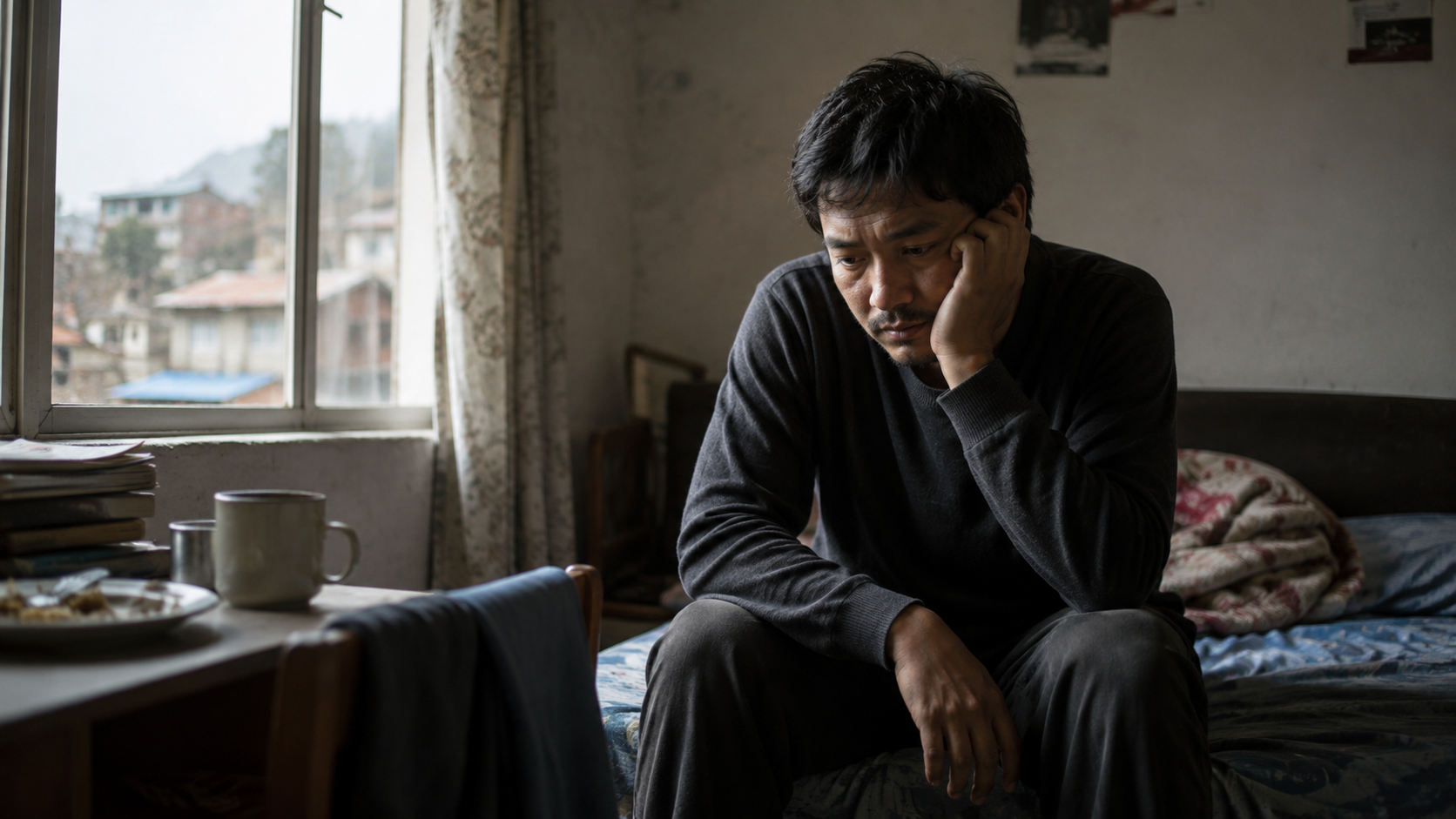
Depression is a mental health condition that causes persistent low mood, loss of interest or enjoyment, and changes in thinking, sleep, appetite, energy and daily functioning. It is more than feeling sad or stressed for a few days. Symptoms usually continue for at least two weeks and may affect work, study, relationships and self-care.
Depression is a genuine health condition, not a sign of weakness or lack of willpower.
Symptoms
Symptoms vary between people and may include:
Feeling sad, empty, hopeless or tearful most of the time
Losing interest or enjoyment in activities that were previously pleasurable
Persistent tiredness or reduced energy
Difficulty concentrating, remembering things or making decisions
Feeling worthless, guilty or like a burden to others
Becoming unusually irritable, restless or withdrawn
Sleeping too little, waking early or sleeping much more than usual
Reduced or increased appetite, sometimes with weight change
Moving or speaking more slowly, or feeling unable to sit still
Unexplained aches, headaches or digestive symptoms
Avoiding friends, family, work, study or normal responsibilities
Thoughts about death, self-harm or suicide
Symptoms may develop gradually, and family or friends may notice changes before the person does.
Red flags
Seek immediate help if the person:
Is thinking about suicide or self-harm
Has made a plan, collected medicines or weapons, written goodbye messages or attempted self-harm
Says that others would be better off without them
Is hearing voices, seeing things or holding strongly unusual beliefs
Is severely agitated, confused, aggressive or behaving very unusually
Is unable to eat, drink, sleep or care for themselves
Has become extremely withdrawn, unresponsive or difficult to wake
Develops severe depression during pregnancy or after childbirth, especially with frightening thoughts about themselves or the baby
Is at immediate risk of harming themselves or someone else
Do not leave someone at immediate risk alone. Remove accessible medicines, weapons or other means of harm where it is safe to do so, and take them to the nearest emergency department or call local emergency services.
Self-care
Tell someone you trust how you have been feeling.
Arrange a medical review if symptoms have lasted two weeks, are worsening or are affecting daily life.
Set small, manageable daily goals rather than trying to fix everything at once.
Keep a regular routine for sleep, meals and personal care.
Try gentle physical activity, such as walking, when able.
Stay connected with supportive family or friends, even briefly.
Avoid alcohol, recreational drugs and gambling as ways of coping.
Do not stop prescribed antidepressants suddenly without medical advice.
Keep a simple record of mood, sleep, appetite, medicines and any thoughts of self-harm.
Self-care can support recovery but should not replace professional assessment when depression is persistent, severe or associated with safety concerns.
Treatment

Treatment depends on symptom severity, duration, previous episodes, physical health, safety concerns and personal preference.
Options may include guided self-help, behavioural activation, cognitive behavioural therapy, counselling or other structured psychological treatments. Antidepressant medicines may be considered, particularly for more severe depression, recurrent episodes or when psychological treatment alone has not been enough. Some people benefit from a combination of talking therapy and medicine.
A clinician may also check for physical or medicine-related causes of similar symptoms, such as thyroid problems, anaemia, vitamin deficiency, chronic illness, alcohol or drug use. People starting or changing antidepressants need follow-up, especially if they are young, have suicidal thoughts or experience worsening agitation. Severe depression, psychosis, bipolar symptoms or significant suicide risk may require specialist mental health care or hospital treatment.
Questions to ask your doctor
Do my symptoms suggest depression or another condition?
How severe is it, and is my safety currently at risk?
Could a physical illness, medicine, alcohol or drug use be contributing?
Which talking therapy may suit me?
Should I consider an antidepressant, and what side effects should I watch for?
How soon should treatment start helping?
When should I be reviewed again?
What should I do if suicidal thoughts appear or become stronger?
Could this be bipolar disorder rather than depression?
Which services are available locally for urgent and ongoing support?
Nepal pathway
In Nepal, start with your nearest health post, PHC, clinic, or hospital if symptoms are worrying, severe, worsening, or not improving. Take previous prescriptions, test reports, allergy information, and current medicines with you. Seek urgent care immediately if there are red flag symptoms.
Disclaimer
This is general health information only and does not replace medical advice, diagnosis, treatment, or emergency care.
Help improve this guide
Spotted an error or want to contact us about this guide? Send a message to the HamroSwasthya team.