
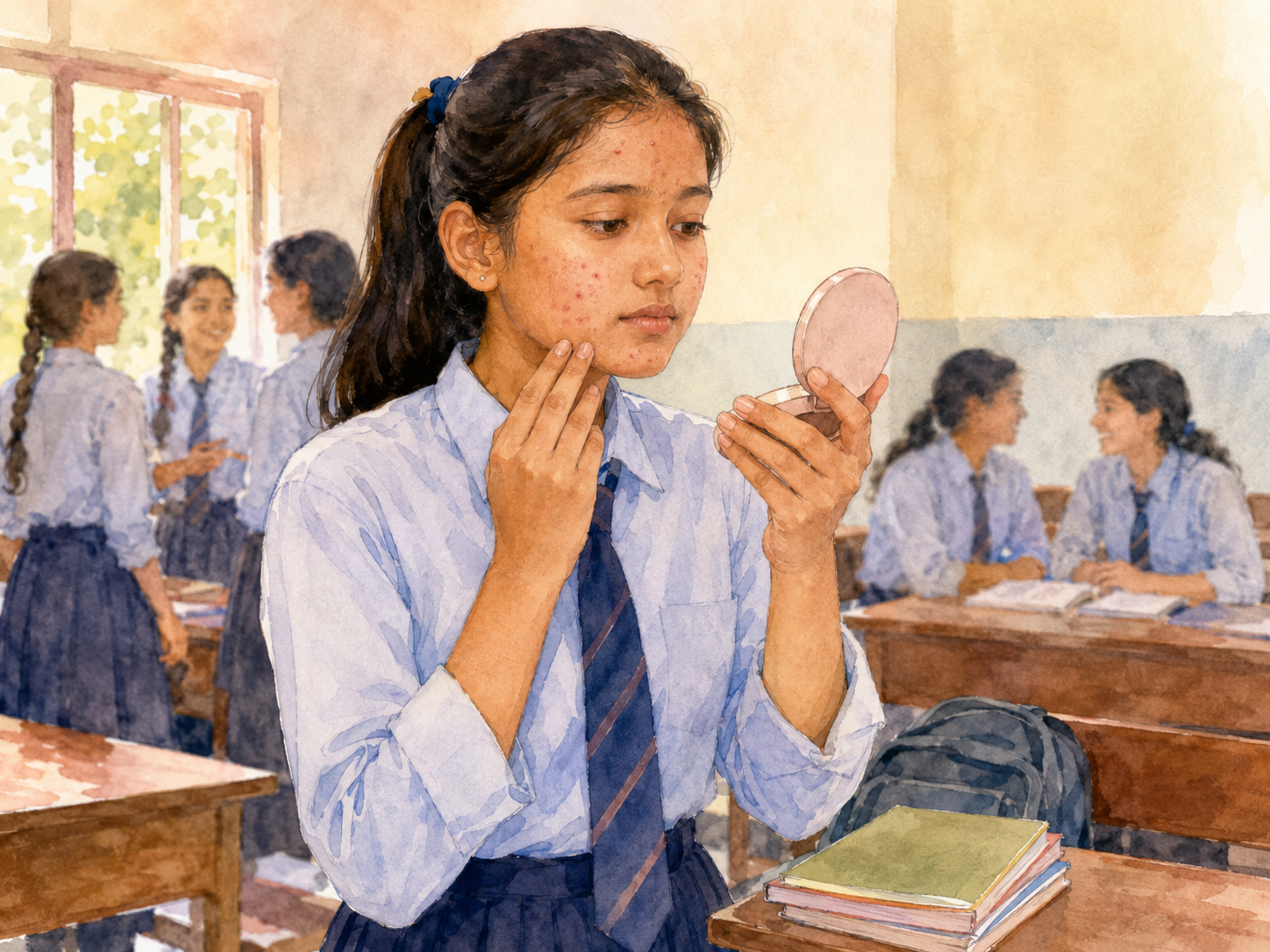
Acne
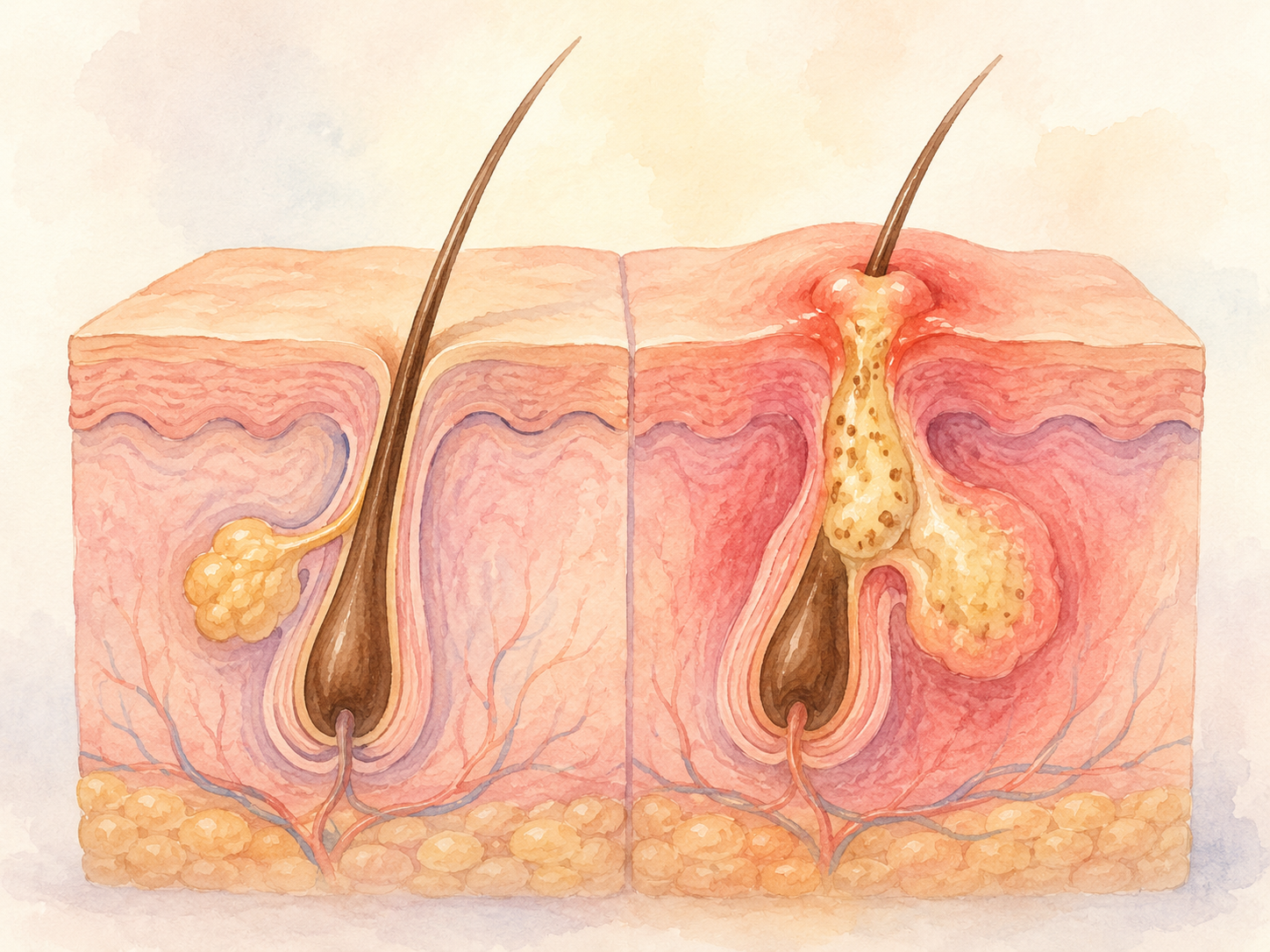
Acne is a common skin condition that affects many people, especially during the teenage years, though it can occur at any age. It develops when the small openings in your skin, called hair follicles, become blocked. Attached to these follicles are tiny glands called sebaceous glands. These glands produce a natural oily substance called sebum, which normally keeps your skin and hair moisturized and healthy. When acne begins, the sebaceous glands produce more sebum than the skin needs. This excess sebum combines with dead skin cells and forms a blockage inside the hair follicle. This blockage is what leads to the spots and blemishes associated with acne. Understanding this process can help you recognise why acne develops and what steps may help to manage it.
Symptoms
Acne can appear on the skin in different forms. Common signs include:
Blackheads: Small dark spots that sit open on the surface of the skin.
Whiteheads: Small white or skin-coloured bumps that stay closed beneath the skin.
Pimples: Red, tender bumps that sometimes have a white tip at the centre.
Nodules and cysts: Deeper, painful lumps under the skin. Nodules are hard and solid. Cysts are softer and filled with pus.
Redness and inflammation: The skin around the spots can look red and feel sore or sensitive to touch.
Red flags
Acne is rarely a medical emergency, but some signs need prompt attention from a doctor.
See a doctor soon if your acne suddenly becomes very severe, with many large, deep, painful lumps or pus-filled cysts appearing at once. Also seek medical help if your acne is spreading or getting worse quickly, or if the acne is causing you significant pain or making you feel generally unwell.
Self-care
Simple daily habits can make a real difference in managing acne. Wash your face twice a day using a gentle cleanser and lukewarm water. Avoid rubbing or scrubbing hard, as this irritates the skin and can make breakouts worse.
Do not pick, squeeze, or pop pimples. This pushes bacteria deeper into the skin, increases swelling, and can leave permanent scars.
When choosing makeup, sunscreen, or moisturizer, look for products labelled "non-comedogenic." These products are made to avoid blocking the pores.
If your hair tends to be oily, wash it regularly and keep it away from your face, especially while sleeping.
Protect your skin from too much sun. Excess sun exposure can worsen acne and cause dark marks to appear after blemishes heal. Choose a non-comedogenic sunscreen for daily use.
Drink enough water and eat a balanced diet. Diet may not directly cause acne, but good nutrition and staying hydrated support healthy skin overall.
Try to manage stress in your daily life. Stress can trigger or worsen acne for some people. Regular physical activity, hobbies, or other relaxing habits can help keep stress levels low.
Treatment
Treatment - This is general health information only and does not replace medical advice, diagnosis, treatment, or emergency care.
Important points to remember
Most treatments take six to eight weeks before you notice a clear improvement. Do not stop too early.
Never share prescription treatments with others.
Always follow your doctor's instructions on how long to use any treatment.
If your skin is not improving or is getting worse, go back to your doctor rather than trying multiple products at once.
Most cases of acne can be managed effectively, and there are several options available depending on how mild or severe your acne is.
Mild acne
For mild spots such as blackheads, whiteheads, and a few pimples, over-the-counter skincare products are often the first step. Look for products containing benzoyl peroxide or salicylic acid. These ingredients help to unblock pores, reduce bacteria on the skin, and calm inflammation. They are available in washes, gels, and creams. Results usually take several weeks, so be patient and use them consistently.
Moderate acne
If over-the-counter products are not enough, a doctor can prescribe stronger treatments. These may include:
Topical treatments applied directly to the skin, such as retinoids or antibiotic creams, which help clear blocked follicles and reduce infection.
Antibiotic tablets taken by mouth for a set period to help reduce bacteria and inflammation across the skin.
Severe or persistent acne
For deeper, painful cysts or nodules that do not respond to other treatments, a doctor may refer you to a skin specialist. A medicine called isotretinoin is sometimes prescribed for severe cases. It is very effective but requires careful monitoring due to possible side effects.
Hormonal treatments
For some people, particularly women, acne is linked to hormonal changes. A doctor may discuss options to help balance hormones as part of your treatment plan.
Questions to ask your doctor
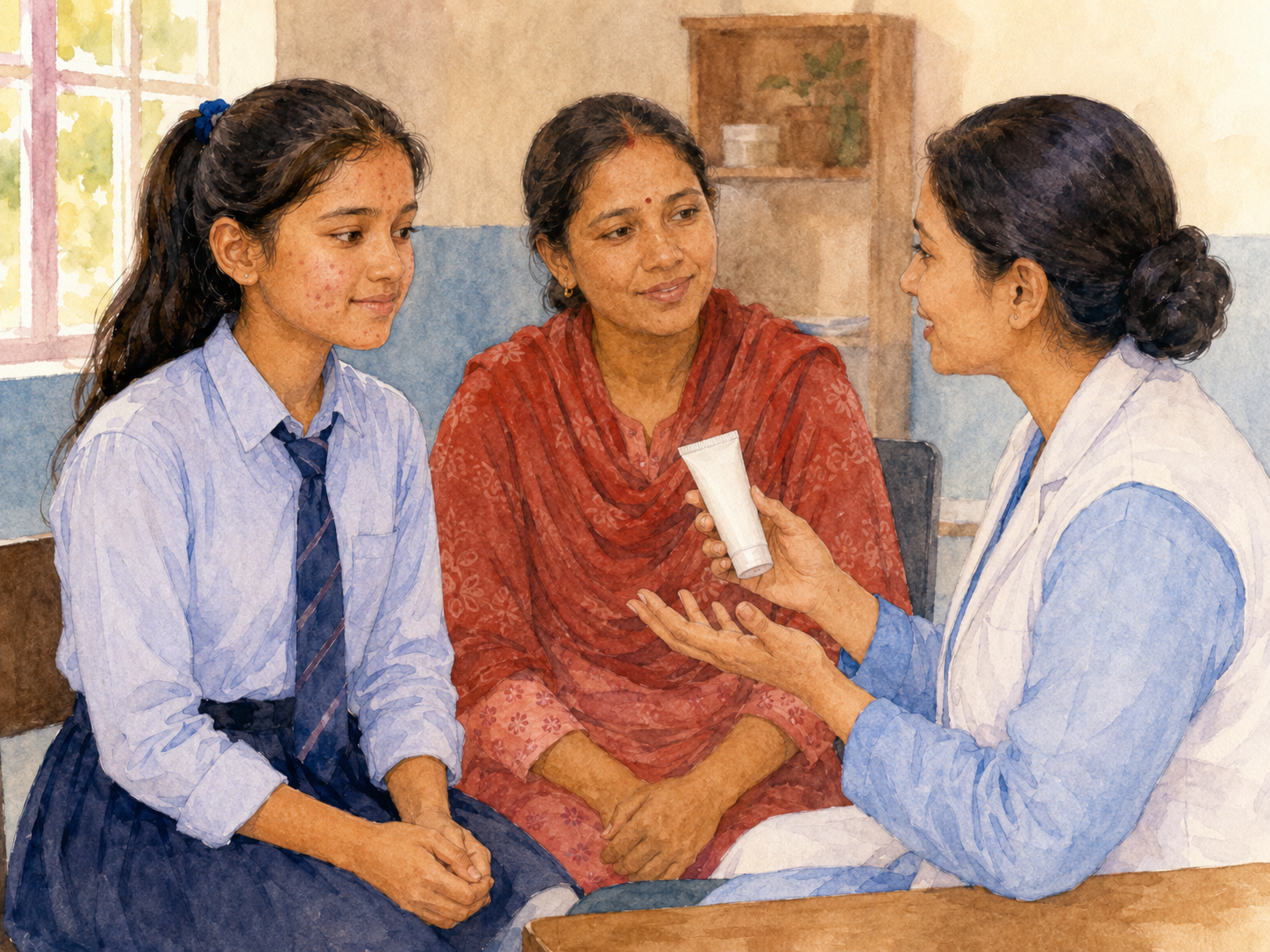
Questions to Ask Your Doctor About Acne
Going prepared with questions can help you get the most from your appointment. Here are some useful ones to consider:
About your acne
What type of acne do I have, and how severe is it?
What is likely causing my acne - is it hormonal, related to my skin type, or something else?
Could any medications I am taking be making my acne worse?
About treatment
What treatment options are available for me?
How long will it take before I see improvement?
Are there any side effects I should watch out for with the treatment you are recommending?
What should I do if the treatment does not seem to be working?
About daily habits
Are there specific skincare products you recommend for my skin type?
Is there anything in my diet or lifestyle that could be affecting my acne?
How can I reduce my risk of scarring?
About follow-up
When should I come back for a review?
Are there any signs that mean I should return sooner or seek urgent care?
Do not hesitate to share how your acne is affecting your confidence or mental wellbeing - your doctor can offer support for this too.
Nepal pathway
In Nepal, start with your nearest health post, PHC, clinic, or hospital if symptoms are worrying, severe, worsening, or not improving. Take previous prescriptions, test reports, allergy information, and current medicines with you. Seek urgent care immediately if there are red flag symptoms.
Disclaimer
This is general health information only and does not replace medical advice, diagnosis, treatment, or emergency care.
Help improve this guide
Spotted an error or want to contact us about this guide? Send a message to the HamroSwasthya team.