
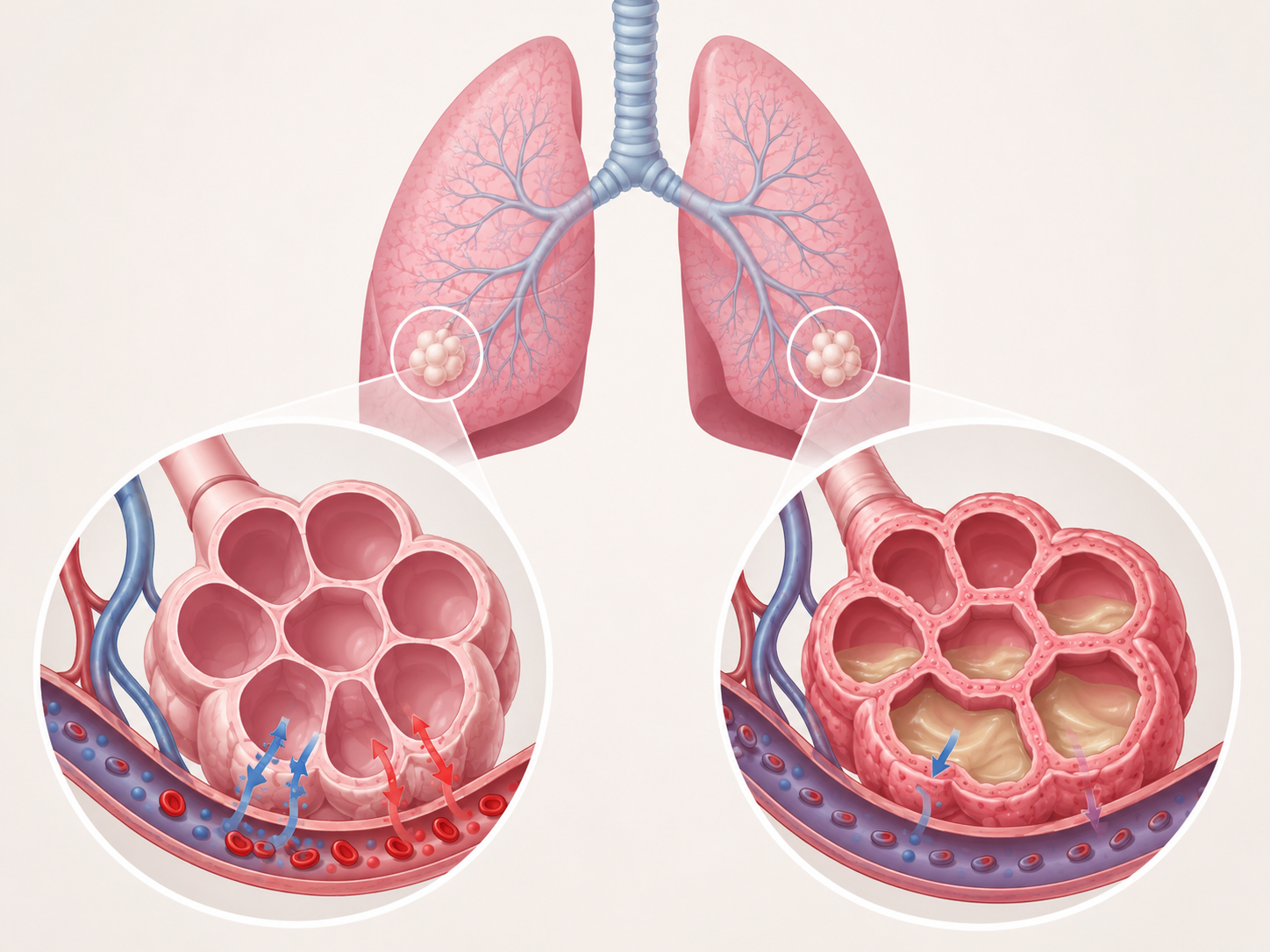
Acute Respiratory Distress Syndrome (ARDS)
Acute respiratory distress syndrome (ARDS) is a very serious and potentially life-threatening condition that happens when a person's lungs suddenly fail to work properly. This condition most often develops as a severe complication following another serious illness and requires immediate medical treatment in a hospital setting.
Red flags
Seek immediate medical help without delay if you or someone nearby shows any of these critical signs. Go to the nearest hospital emergency room, or call your local emergency services for an ambulance:
Experiences severe difficulty breathing, such as gasping for air, choking, or being unable to speak complete sentences.
Suddenly develops shortness of breath accompanied by pain that spreads to the arms, back, neck, or jaw.
Suddenly experiences shortness of breath along with a feeling of tightness or heaviness in the chest.
Suddenly becomes short of breath and feels nauseous or is vomiting.
Suddenly finds it difficult to breathe and is coughing up blood.
Suddenly becomes short of breath and has pain or swelling in only one leg.
It is crucial not to drive yourself to the hospital in this situation. Ask someone else to drive you, or call emergency services immediately to request an ambulance. Remember to bring all your current medications with you.
Symptoms
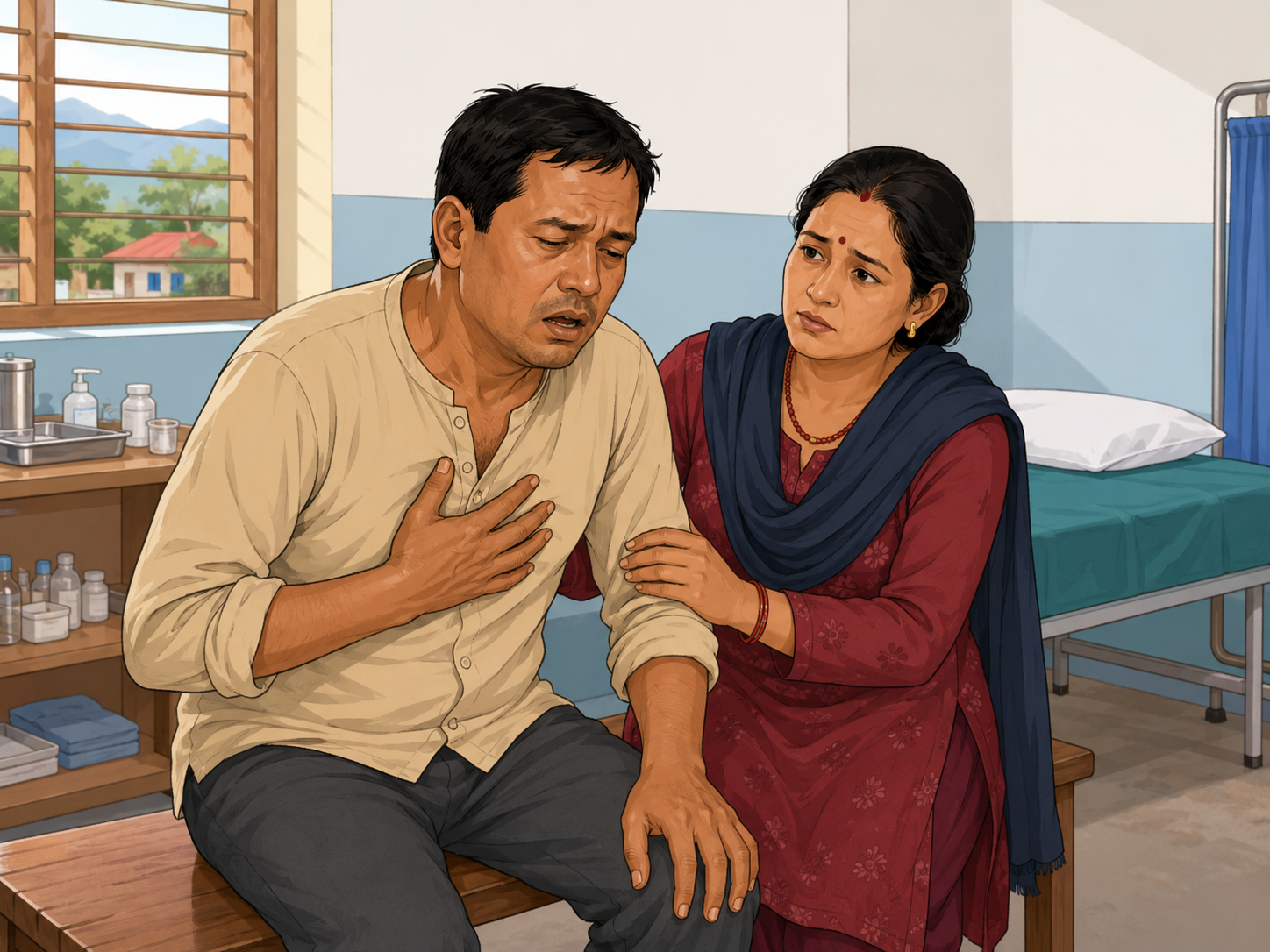
When someone has acute respiratory distress syndrome (ARDS), they will typically experience certain symptoms. These often include:
Feeling very short of breath or struggling to breathe.
Taking quick, shallow breaths that do not feel deep enough.
Self-care
Acute Respiratory Distress Syndrome (ARDS) is a very serious condition that needs immediate treatment in a hospital. There are no home remedies or self-care methods that can treat ARDS.
However, once you have recovered and returned home from the hospital, taking these steps can greatly support your ongoing healing:
Rest and gradually rebuild your strength
Your body needs time to recover fully. Getting better after ARDS can be a long process, often taking weeks or even months. Begin with gentle activities, like short walks, and slowly increase what you do as you start to feel stronger. Always listen to your body and avoid pushing yourself too hard before you are ready.
Breathing exercises
Your doctor or physiotherapist might teach you specific exercises to help your lungs heal. Follow their instructions carefully and practice these exercises regularly.
Eat well and stay hydrated
Nourishing meals and plenty of fluids are essential to give your body the energy and nutrients it needs to recover. If you have a low appetite, try eating smaller meals more frequently throughout the day.
Do not smoke
Smoking significantly slows down lung recovery. If you currently smoke, stopping as soon as possible will help your lungs heal more effectively. Your doctor can offer advice and support on how to quit.
Take care of your mental wellbeing
It's very common to feel anxious, sad, or emotionally unsettled after experiencing a serious illness like ARDS. Talk about your feelings with someone you trust. If these emotions start to affect your daily life, please let your doctor know.
Keep your follow-up appointments
Make sure to attend all check-up appointments arranged by your doctor. It is crucial to contact them right away if your breathing gets worse or if any new symptoms develop.
If you ever experience severe difficulty breathing or feel seriously unwell, seek emergency medical help immediately.
Treatment
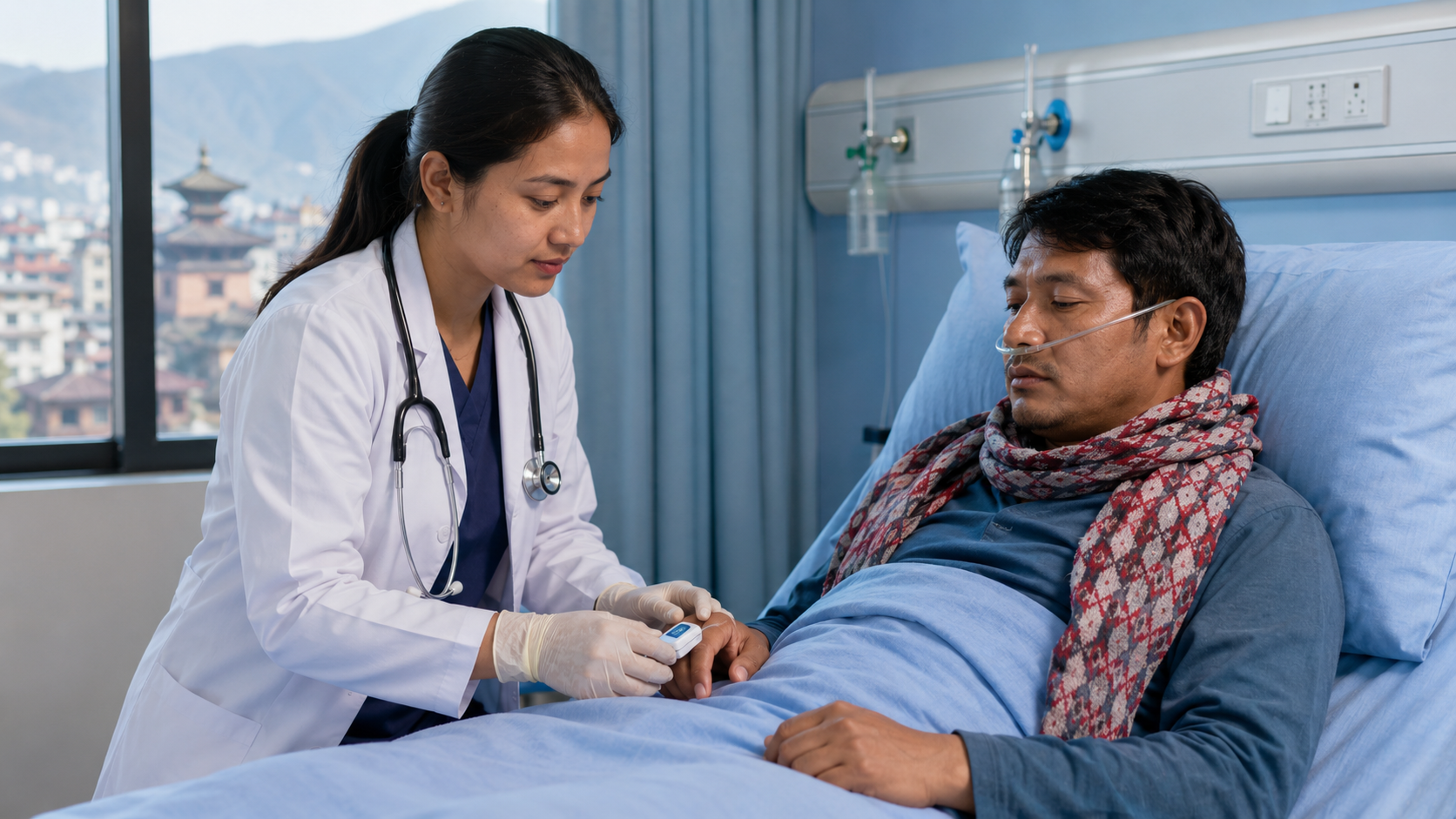
Anyone diagnosed with Acute Respiratory Distress Syndrome (ARDS) needs immediate medical attention and will be cared for in a hospital. Often, this involves admission to an intensive care unit (ICU), where specialized equipment and constant monitoring are available.
The medical team will provide supportive treatments to help the lungs heal and improve breathing. These may include:
Oxygen therapy: Supplying extra oxygen, usually through a face mask, to help ease breathing and ensure the body receives enough oxygen.
Mechanical ventilation: If the lungs are severely affected, a breathing machine (ventilator) may be used to take over the work of breathing, allowing the lungs to rest and recover.
Medications: These can include antibiotics to treat any infections that might be present or contributing to ARDS, as well as other medicines to manage symptoms and support vital organ functions.
Intravenous (IV) fluids: Given directly into a vein to maintain hydration and support the body's overall well-being.
It is important to understand that ARDS is a very serious and life-threatening illness. Even with the best available medical care, it is not always possible to fully treat the condition, and sadly, some patients may not survive.
Questions to ask your doctor
When you meet with your doctor about Acute Respiratory Distress Syndrome (ARDS), you might find it helpful to ask the following questions:
About Your Condition
What do you believe is the cause of my ARDS?
How severe is my condition right now?
What potential complications should I be aware of?
Regarding Your Treatment
What is the planned treatment for me, and how will each part support my recovery?
How long can I expect to stay in the hospital?
What are the possible risks or side effects associated with these treatments?
Your Recovery Journey
What does the recovery process typically involve, and how much time might it take?
Are there any specific breathing exercises or a rehabilitation program that could assist my recovery?
When can I realistically expect to return to my daily life and work activities?
Is it possible for my lungs to fully recover?
Emotional Well-being
It's common to feel anxious or low after a serious illness. Who can I reach out to for emotional support, or what resources are available?
Follow-Up Care
What symptoms should I watch for once I am discharged and return home?
When should I schedule my next follow-up appointment?
If my condition worsens after leaving the hospital, whom should I contact?
Addressing Underlying Health
Could my ARDS indicate another health condition that also requires attention?
Are there any steps I can take to reduce the chance of ARDS occurring again?
Nepal pathway
In Nepal, start with your nearest health post, PHC, clinic, or hospital if symptoms are worrying, severe, worsening, or not improving. Take previous prescriptions, test reports, allergy information, and current medicines with you. Seek urgent care immediately if there are red flag symptoms.
Disclaimer
This is general health information only and does not replace medical advice, diagnosis, treatment, or emergency care.
Help improve this guide
Spotted an error or want to contact us about this guide? Send a message to the HamroSwasthya team.