
Anal Fistula
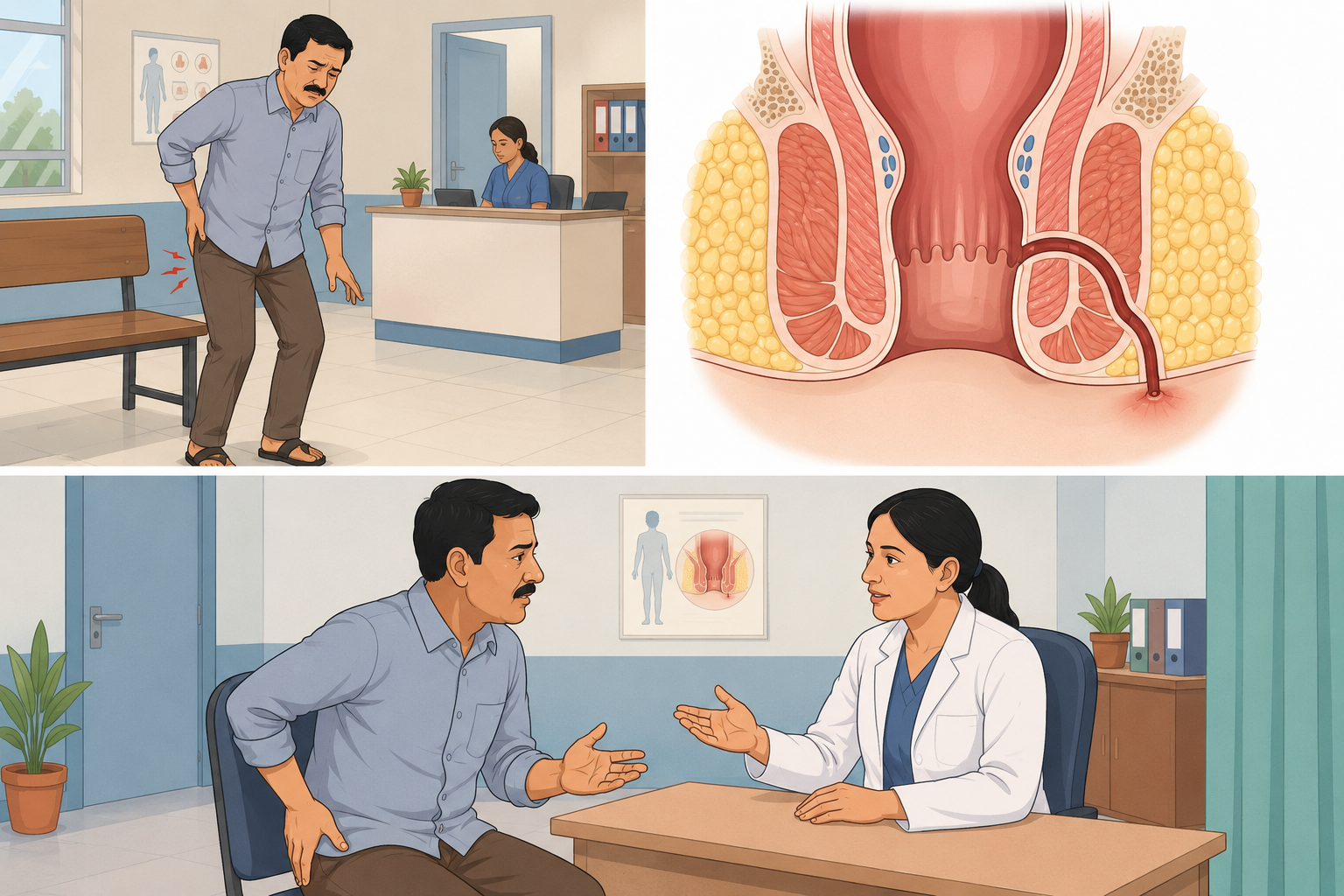
An anal fistula is a small tunnel-like passage that forms between the inner end of the bowel and the skin around the anus. It usually develops after an infection in the area near the anus causes a pocket of pus to collect in the surrounding tissue. When that pus drains away, it can leave a narrow channel behind. An anal fistula can cause uncomfortable symptoms, including pain and irritation of the skin around the anus. Without treatment, it is unlikely to heal on its own.
Symptoms
Anal fistula can cause several uncomfortable symptoms. You may notice skin irritation in the area around your anus. Many people feel a constant, throbbing pain that gets worse when sitting, walking, passing stool, or coughing. An unpleasant-smelling discharge from near the anus is also common. You may notice pus or blood when passing stool. If an abscess is also present, the area around your anus may look swollen and red, and you may develop a fever. In some people, anal fistula can make it difficult to control bowel movements.
Sometimes the opening of the fistula is visible as a small hole in the skin close to the anus, though it can be hard to see on your own.
Red flags
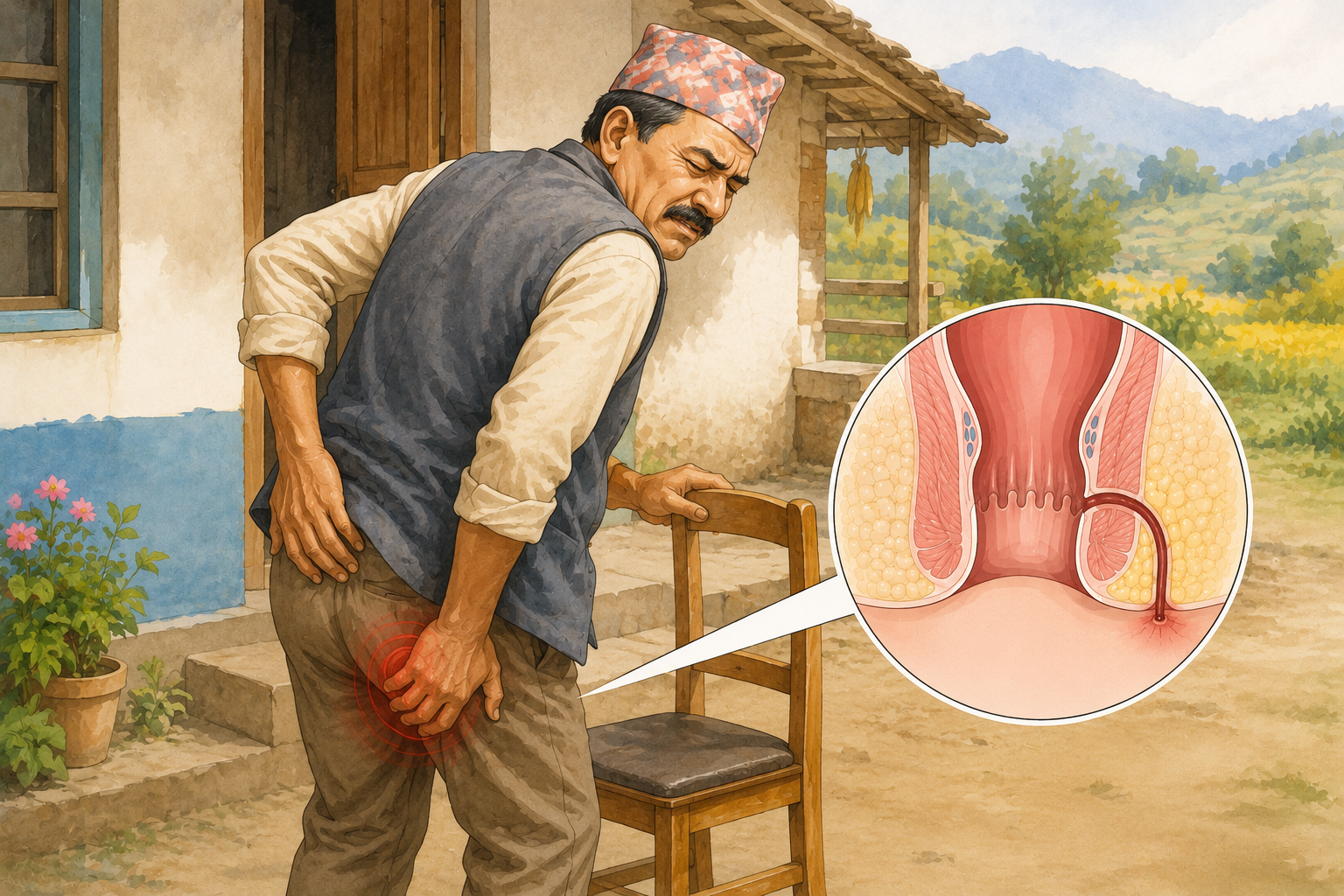
Go to a doctor or health worker if you have symptoms that suggest an anal fistula. The doctor will ask you about your symptoms and whether you have any bowel problems. They will look at the skin around your anus for signs of a fistula. They may also gently insert a gloved finger into your anus to check inside. This is called a rectal examination.
If the doctor suspects a fistula, they will refer you to a colorectal surgeon. This specialist will do further tests to confirm the diagnosis and decide the best treatment for you.
Tests may include:
A physical examination and rectal examination
A proctoscopy, where a thin tube with a light at the end is used to look inside your anus
Imaging scans such as an ultrasound scan, CT scan, or MRI scan
Self-care
Looking after yourself with an anal fistula
While surgery is the main treatment for an anal fistula, there are steps you can take at home to manage discomfort and keep the area clean while you wait for treatment or recover after a procedure.
Keep the area clean
Gently wash the skin around your anus with warm water after each bowel movement. Pat the area dry with a soft cloth or tissue rather than rubbing. Avoid using harsh soaps or scented products, as these can irritate the skin further.
Wear comfortable, breathable clothing
Loose-fitting underwear made from a natural fabric such as cotton can help reduce irritation and allow air to reach the area.
Use a pad if needed
If you have discharge from the fistula, a small pad or gauze placed in your underwear can help keep the area clean and protect your clothing.
Manage pain
Over-the-counter pain relief such as paracetamol can help ease discomfort. Sitting on a soft cushion or folded towel may also reduce pressure and pain when sitting for longer periods.
Eat well and stay hydrated
Eating plenty of fibre-rich foods such as fruits, vegetables, and wholegrains, and drinking enough water each day, can help keep your stools soft. This makes passing stool less painful and reduces strain in the area.
Avoid delaying bowel movements
Try not to hold in a bowel movement when you feel the urge. Straining or delaying can make symptoms worse.
Important: Self-care measures can help you feel more comfortable, but they will not cure an anal fistula. You should still see a doctor for proper assessment and treatment.
Treatment
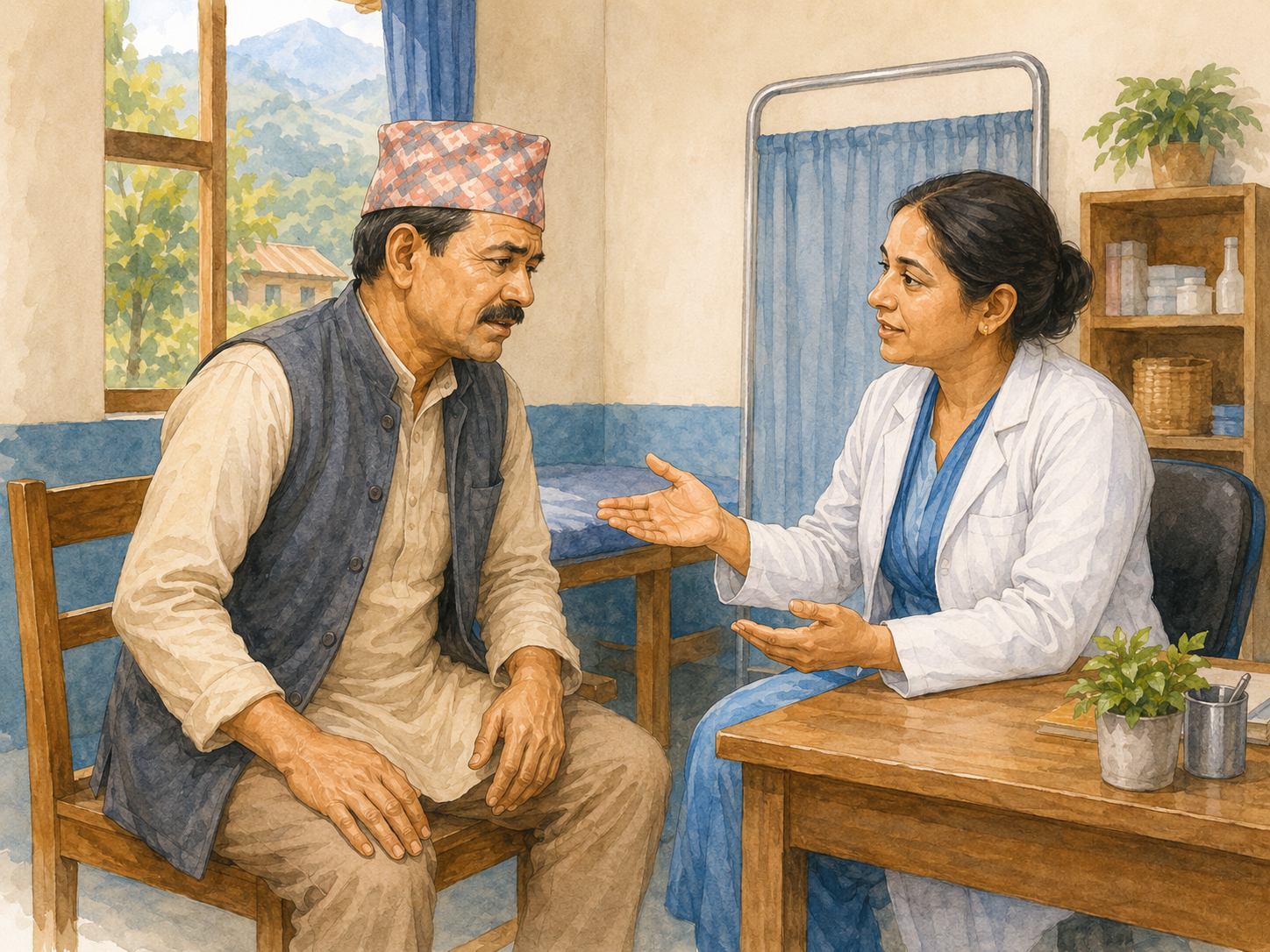
Surgery is usually needed to treat an anal fistula. These fistulas rarely close on their own without treatment.
The main surgical options are:
Fistulotomy - the surgeon cuts open the fistula along its full length, allowing it to heal as a flat scar
Seton procedure - a small piece of surgical thread called a seton is carefully placed through the fistula and left in place for several weeks. This helps the fistula prepare for healing before a further procedure is done to complete the treatment
Each option has its own benefits and possible risks. A surgeon can explain these and help decide which approach is most suitable.
Most people can return home on the same day as surgery. Some people may need to stay in hospital for a short time depending on how the procedure goes.
Questions to ask your doctor
Questions to Ask Your Doctor During Your Consultation
Going to a doctor's appointment can feel overwhelming. Having a list of questions ready can help you get the most from your visit. Here are some useful questions to consider asking:
About your diagnosis
How do you know this is an anal fistula?
Could something else be causing my symptoms?
Will I need any scans or tests to confirm the diagnosis?
About treatment
What treatment do you recommend for me, and why?
What type of surgery would I need, and how is it done?
What are the risks or possible complications of the surgery?
What happens if I choose not to have surgery?
How long will it take to recover after the procedure?
Will I be able to go home the same day, or will I need to stay in hospital?
About bowel control
Could the surgery affect my ability to control my bowel movements?
Is this risk temporary or permanent?
About follow-up and recovery
What should I expect during recovery, and how do I care for the area at home?
When should I come back to see you after treatment?
What signs should I watch for that mean I need to seek help quickly?
About your overall health
Is there anything about my health or lifestyle that might affect my treatment or recovery?
Could this fistula come back after treatment?
Do not hesitate to ask your doctor to explain anything you do not understand. You have the right to know what is happening with your health.
Nepal pathway
In Nepal, start with your nearest health post, PHC, clinic, or hospital if symptoms are worrying, severe, worsening, or not improving. Take previous prescriptions, test reports, allergy information, and current medicines with you. Seek urgent care immediately if there are red flag symptoms.
Disclaimer
This is general health information only and does not replace medical advice, diagnosis, treatment, or emergency care.
Help improve this guide
Spotted an error or want to contact us about this guide? Send a message to the HamroSwasthya team.