
Asthma
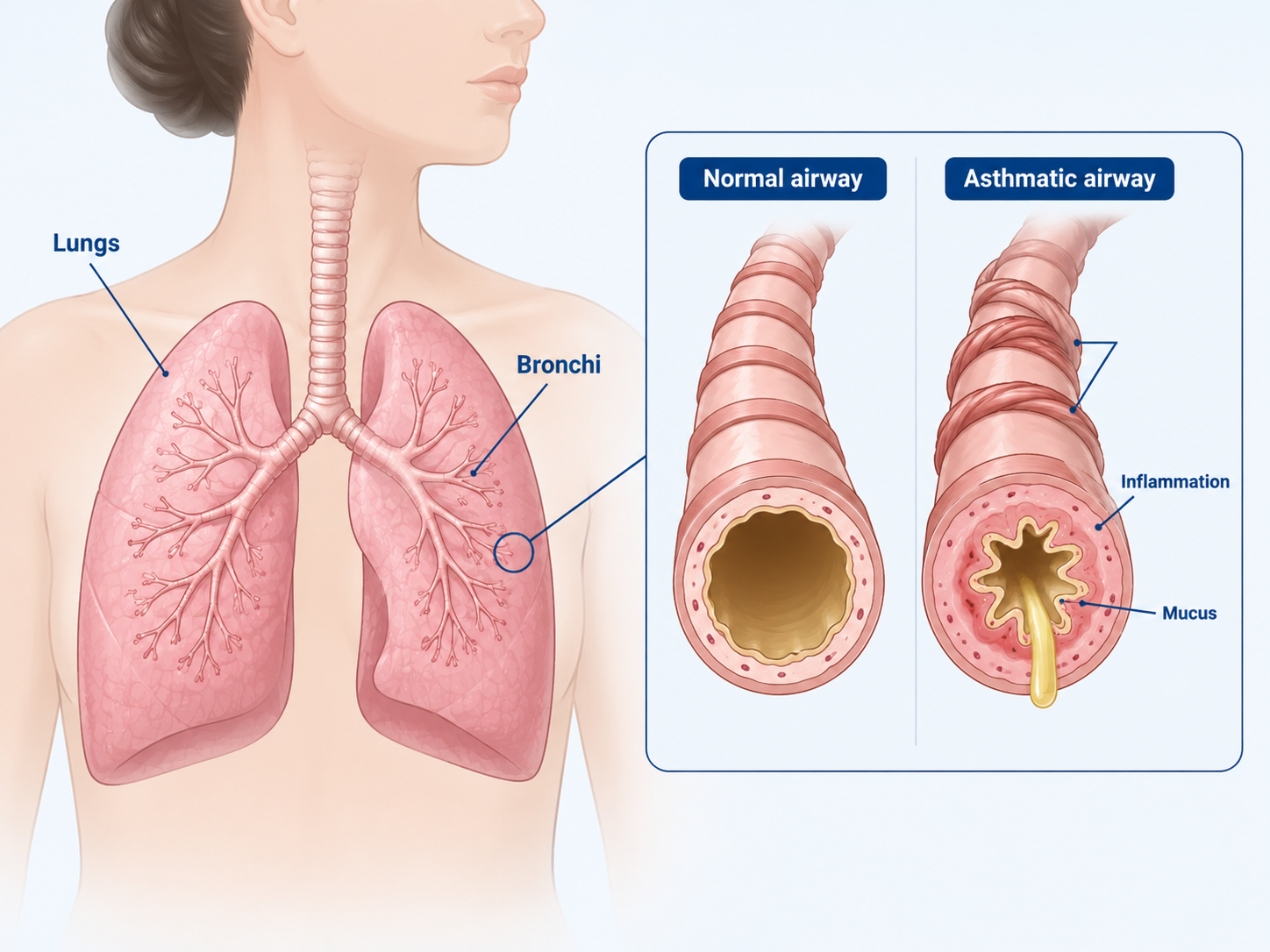
Asthma is a long-term condition that affects the airways in the lungs. The airways can become inflamed, swollen, and narrow, making breathing difficult.
Asthma symptoms may come and go. With the right inhalers, correct inhaler technique, and regular review, asthma can often be controlled well. However, a severe asthma attack can become dangerous quickly and needs urgent treatment.
In Nepal, people often use the word - दम (Daam) to describe breathlessness or difficulty breathing in general. It does not always mean asthma.
Breathlessness can have many causes, including asthma, COPD, chest infection, heart problems, anaemia, anxiety, allergic reactions, or other illnesses. This page is specifically about asthma.
For more information about different causes of breathlessness and how they may differ, please see our "Shortness of Breath" symptom article.
Symptoms
Common asthma symptoms include:
Wheezing or a whistling sound when breathing
Coughing, especially at night or early in the morning
Chest tightness or heaviness
Symptoms that worsen with exercise, cold air, dust, smoke, pollen, infections, or strong smells
Some people mainly have a cough rather than obvious wheezing.
Red flags
Go to the nearest hospital urgently or call an ambulance on 102, where available, if a person with asthma:
Is struggling to breathe or is very breathless
Cannot speak in full sentences because of breathlessness
Has blue, grey, or very pale lips, face, or fingers
Becomes unusually sleepy, confused, exhausted, faint, or difficult to wake
Has severe chest tightness, wheezing, or coughing that is getting worse
Is not improving after using their prescribed reliever inhaler
Has symptoms getting worse very quickly
Sit upright and help them stay calm. Use their prescribed reliever inhaler according to their asthma action plan, if available. Do not lie them flat or delay seeking emergency help.
Self-care
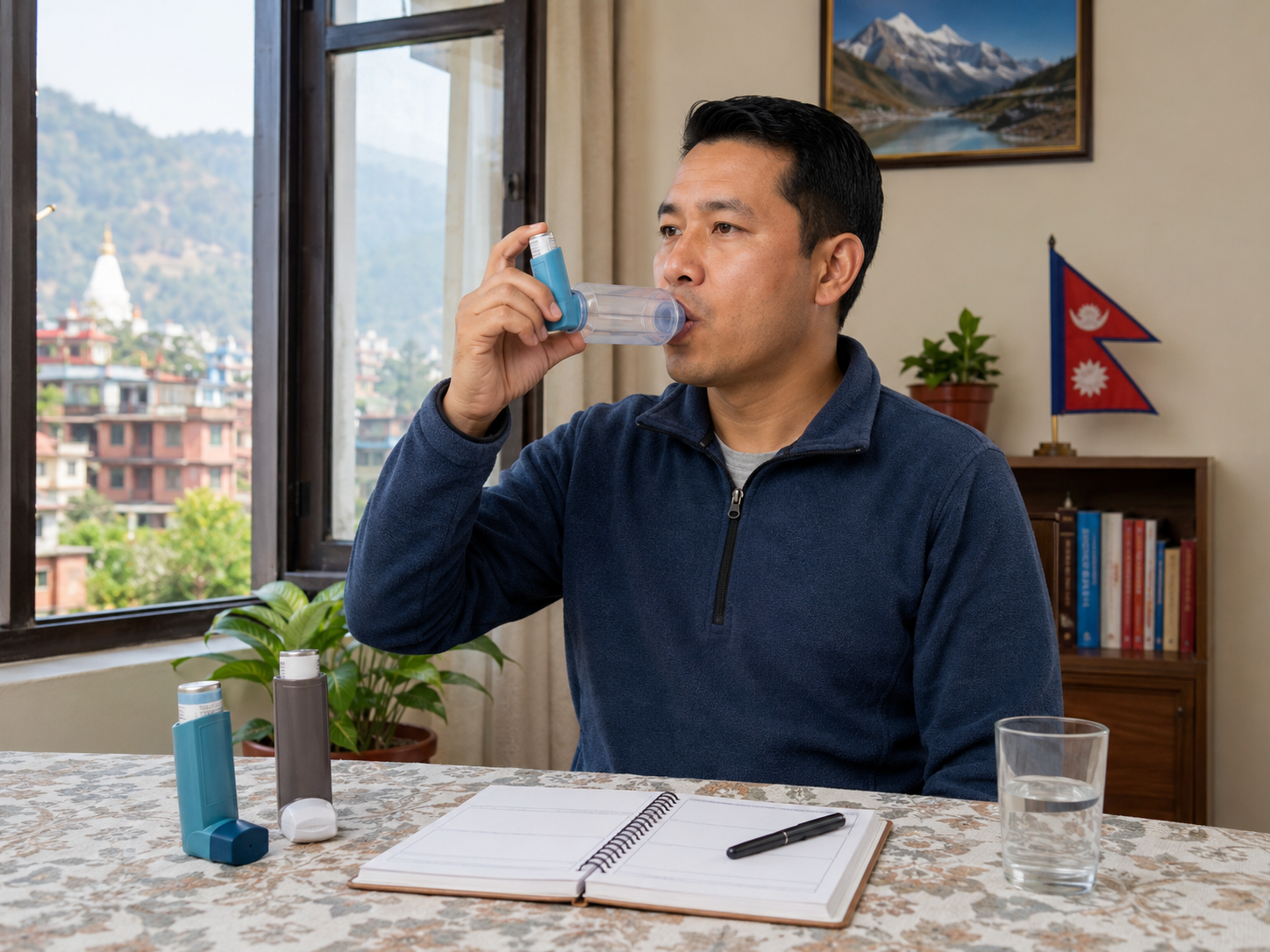
- Use your preventer inhaler exactly as prescribed, even when you feel well.
- Keep your reliever inhaler available and check that it is not empty or expired.
- Ask a doctor, nurse, or pharmacist to check your inhaler technique.
- Use a spacer if one has been prescribed or recommended.
- Avoid smoking, vaping, and second-hand smoke.
- Try to identify personal triggers, such as dust, smoke, cold air, pets, pollen, or infections.
- Keep active when your asthma is controlled, but follow your action plan if exercise triggers symptoms.
- Attend regular asthma reviews and ask for a written asthma action plan.
Treatment
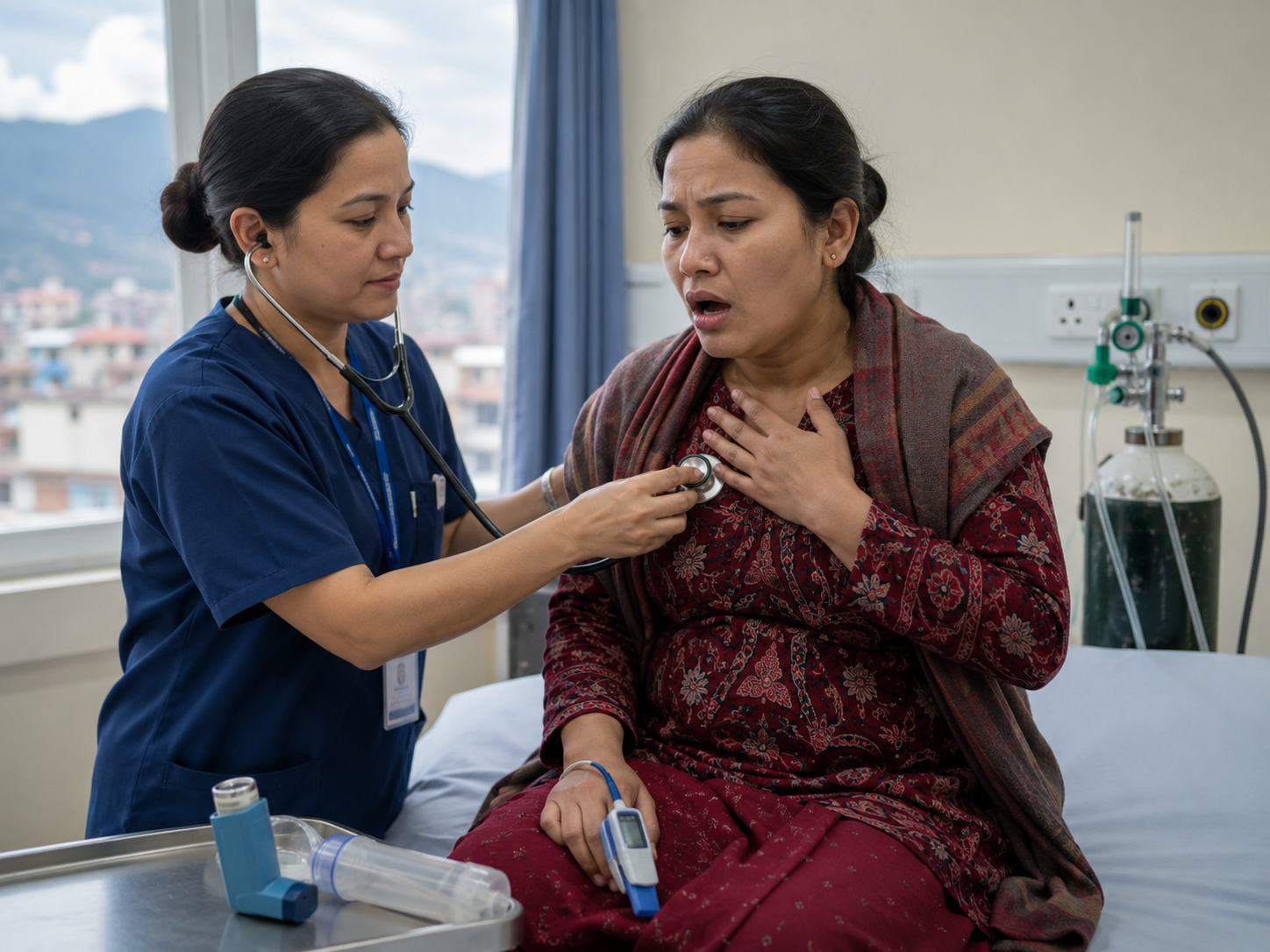
Asthma is usually treated with inhalers that deliver medicine directly to the lungs.
A preventer inhaler helps reduce inflammation in the airways and lowers the risk of symptoms and asthma attacks. It is usually taken regularly.
A reliever inhaler helps open the airways quickly when symptoms occur. Needing it often can mean that asthma is not well controlled and should be reviewed by a doctor.
Some people may need a combination inhaler, additional medicines, or short courses of steroid tablets during a severe flare-up. The right treatment depends on age, symptoms, previous attacks, inhaler technique, and available medicines.
Do not borrow inhalers or change your dose without advice from a qualified health professional.
Questions to ask your doctor
- Do my symptoms suggest asthma, or could there be another cause?
- Do I need breathing tests or peak flow monitoring?
- Which inhaler is for daily prevention and which is for quick symptom relief?
- Can you check that I am using my inhaler correctly?
- Should I use a spacer?
- What are my likely asthma triggers and how can I reduce them?
- What should I do if symptoms worsen or I have an asthma attack?
- Can I have a written asthma action plan?
- How often should I have an asthma review?
- When should I seek urgent medical help?
Nepal pathway
In Nepal, start with your nearest health post, PHC, clinic, or hospital if symptoms are worrying, severe, worsening, or not improving. Take previous prescriptions, test reports, allergy information, and current medicines with you. Seek urgent care immediately if there are red flag symptoms.
Disclaimer
This is general health information only and does not replace medical advice, diagnosis, treatment, or emergency care.
Help improve this guide
Spotted an error or want to contact us about this guide? Send a message to the HamroSwasthya team.