
Cataracts
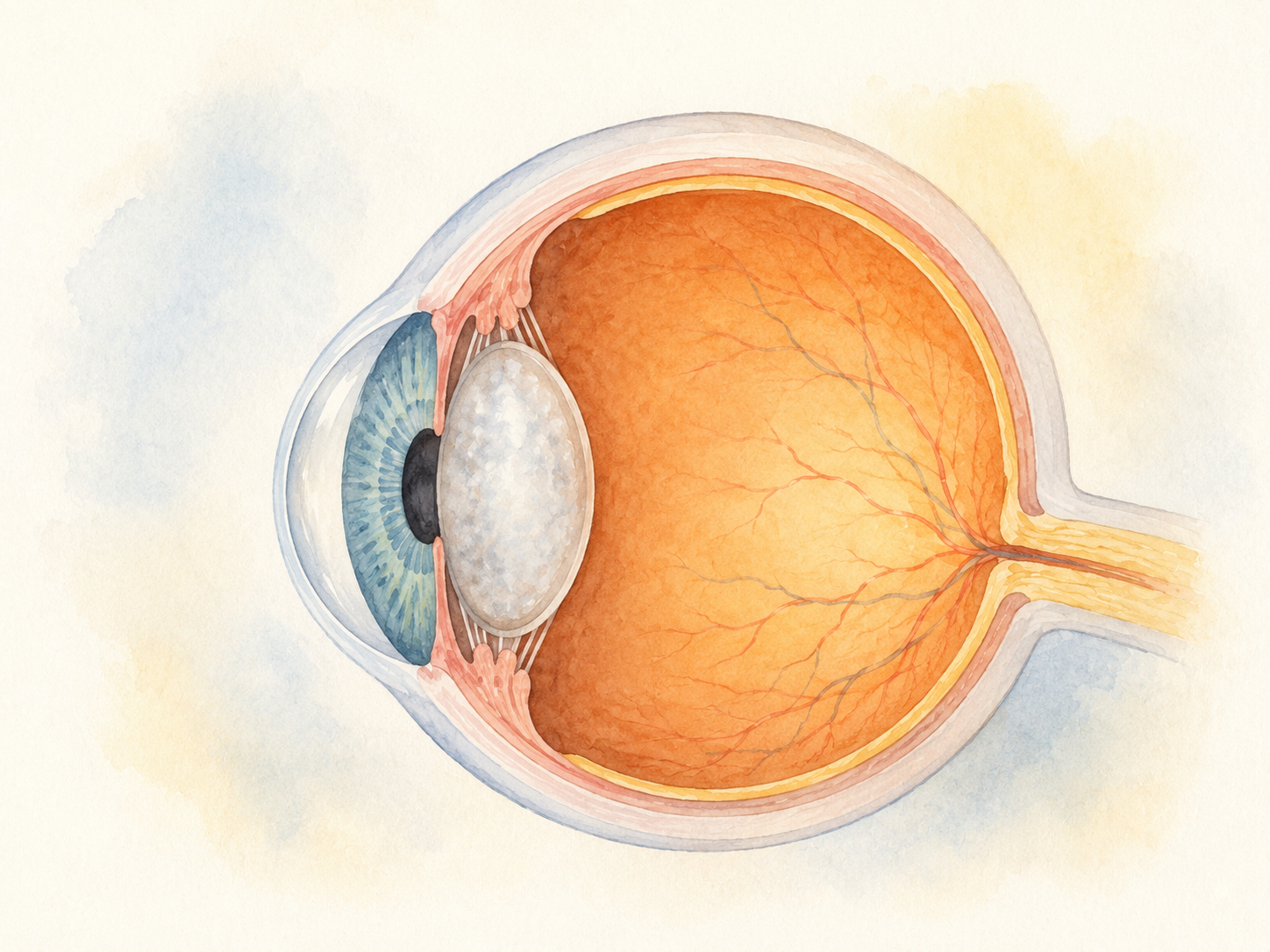
Cataracts are a widespread eye condition that affects many adults, particularly as they get older. Inside each eye there is a natural lens that helps focus light and produce clear vision. When this lens gradually becomes cloudy, the condition is called a cataract. As the cloudiness develops, a person may notice that their vision becomes blurred or hazy. Bright lights may cause uncomfortable glare, and seeing clearly in low light or at night can become especially difficult. Cataracts are one of the leading causes of reduced vision in adults worldwide, but the condition is treatable. This article covers cataracts as they occur in adults. Information about cataracts in children is covered separately.
Symptoms

Cataracts usually develop slowly, so symptoms may take time to become noticeable. Both eyes are often affected, but one eye may be worse than the other.
Common symptoms include:
blurred or cloudy vision
trouble seeing clearly at night
difficulty reading or watching television
eyes that feel uncomfortable in bright light or are sensitive to glare
seeing two images of a single object
seeing bright rings or halos around lights
colours appearing washed out or dull, particularly blue shades
If you wear glasses, you may find that your prescription needs to change more frequently than before.
Red flags
If you notice any changes to your vision that may be signs of cataracts, visit an eye specialist or eye care provider. They will examine your eyes and, if needed, refer you to a specialist for further tests or treatment.
Self-care
What You Can Do at Home
While cataracts cannot be cured or reversed without surgery, there are practical steps you can take to manage your symptoms and make daily life easier while you wait for treatment or if surgery is not yet needed.
Protect your eyes from bright light
Wear sunglasses with good UV protection when you are outdoors, especially in bright sunlight.
Use a wide-brimmed hat for extra shade.
At home, adjust lighting to reduce glare - soft, indirect lighting is often more comfortable than bright overhead lights.
Make reading and close tasks easier
Use brighter, focused reading lights aimed directly at what you are reading.
Try larger print books, magazines, or increase the text size on your phone or tablet.
A magnifying glass can help with small print.
Be safe when driving or moving around
If your night vision has worsened, avoid driving after dark if possible.
Take extra care on stairs, uneven ground, or in dimly lit areas to reduce the risk of falls.
Keep up with eye care
Attend any eye check-up appointments you have been given.
If you wear glasses, make sure your prescription is up to date - an updated prescription may help in the early stages.
General health
Eating a balanced diet rich in fruits and vegetables supports overall eye health.
If you smoke, stopping smoking is beneficial for your general and eye health.
There is currently no proven eye drop, supplement, or medicine that stops cataracts from developing. If your symptoms are getting worse or are significantly affecting your daily life, speak to a doctor or eye care provider about your options for surgery.
Treatment
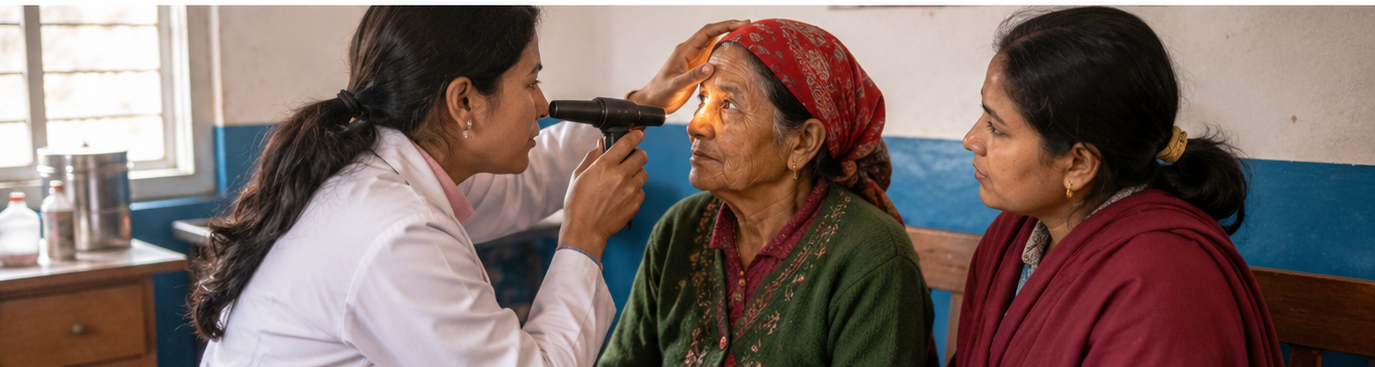
Cataracts usually do not need immediate treatment. However, they tend to worsen gradually over time. If your vision becomes significantly affected, surgery may be recommended.
A doctor or eye specialist will discuss surgery with you. The decision often depends on how much the cataract is affecting your daily activities and whether one or both eyes are involved.
If you choose to have surgery, there may be a waiting period before the procedure. Ask your eye specialist how long you are likely to wait.
Cataract surgery is performed under local anaesthesia. You will be awake during the procedure but will not feel pain. The cloudy lens is removed and replaced with a clear artificial lens. Most people are able to go home on the same day.
If both eyes have cataracts, each eye is treated on a separate day.
Questions to ask your doctor
Questions to Ask Your Doctor During Your Consultation
Going to an appointment with questions prepared can help you get the most out of your visit. Here are some useful questions to consider asking:
About your diagnosis
How advanced is my cataract, and is it affecting both eyes?
How quickly is it likely to get worse?
Could anything else be causing my vision changes?
About treatment
Do I need surgery now, or can I wait?
What happens if I choose not to have surgery?
What does the surgery involve, and how long does it take?
Will I need someone to bring me home after the procedure?
How long will it take to recover and return to normal activities?
About risks and outcomes
What are the possible risks or complications of surgery?
How much improvement in my vision can I realistically expect?
Is there any chance my vision does not improve after surgery?
About follow-up and daily life
Will I still need glasses after surgery?
How often should I have my eyes checked?
Are there any activities I should avoid while waiting for surgery?
What warning signs should prompt me to seek urgent care?
Do not hesitate to ask your doctor to explain anything in simpler terms if you are unsure about what they have said.
Nepal pathway
In Nepal, start with your nearest health post, PHC, clinic, or hospital if symptoms are worrying, severe, worsening, or not improving. Take previous prescriptions, test reports, allergy information, and current medicines with you. Seek urgent care immediately if there are red flag symptoms.
Disclaimer
This is general health information only and does not replace medical advice, diagnosis, treatment, or emergency care.
Help improve this guide
Spotted an error or want to contact us about this guide? Send a message to the HamroSwasthya team.