
Conjunctivitis
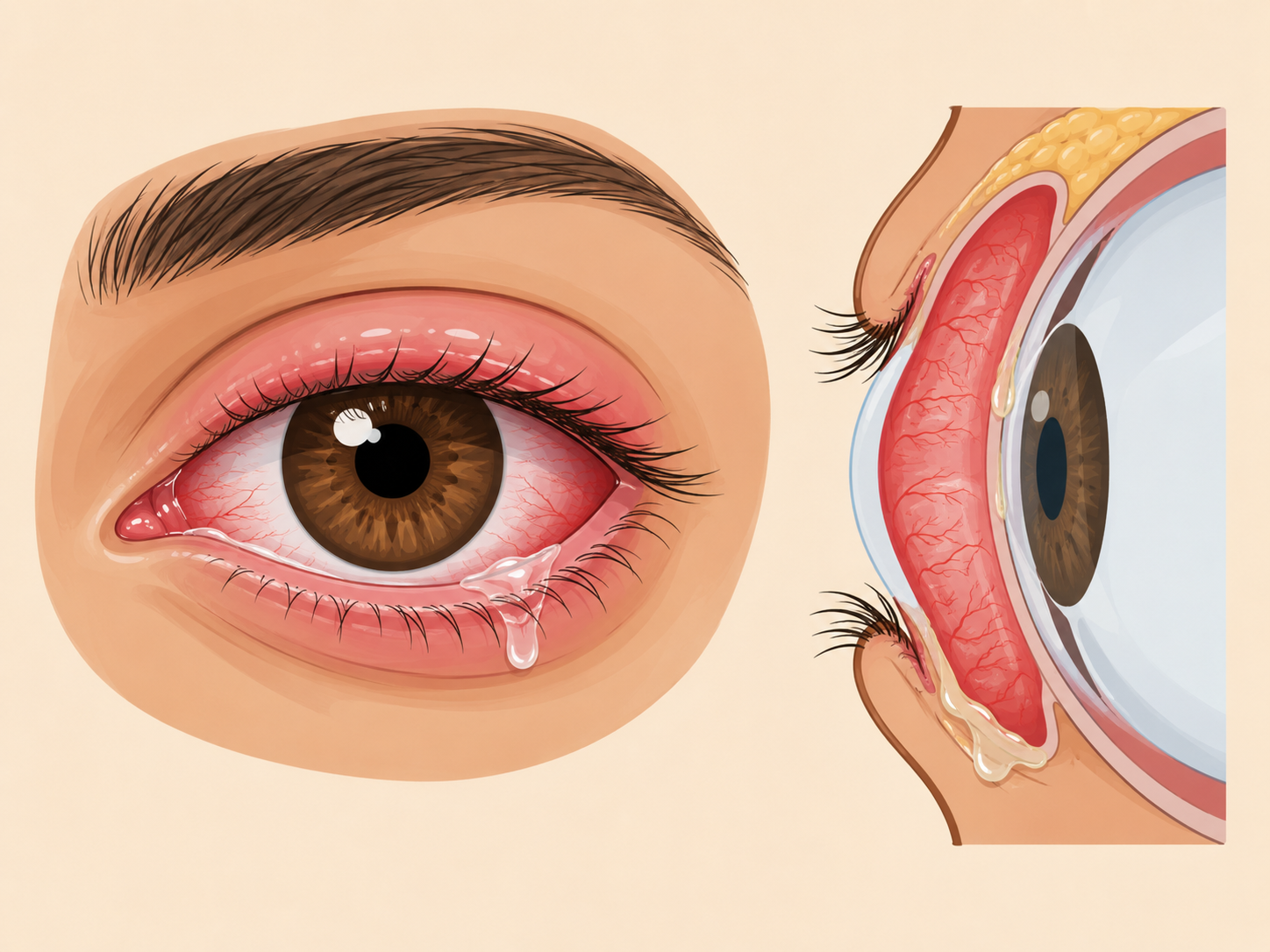
Conjunctivitis, often called red eye or pink eye, is a common condition where the thin layer covering the white of the eye and the inside of the eyelids becomes inflamed. It usually affects both eyes at the same time, causing redness, itching, watering, and sometimes a sticky discharge that crusts on the eyelashes.
Conjunctivitis can be caused by a bacterial or viral infection, or by an allergic reaction to things like pollen or dust. The infectious types can spread easily from person to person, while the allergic type cannot.
In most cases, conjunctivitis is mild and gets better on its own within one to two weeks. Keeping the eyes clean and avoiding contact lenses until fully recovered can help. Some types may need treatment such as antibiotic eye drops prescribed by a doctor.
While conjunctivitis is usually not serious, certain symptoms - such as eye pain, changes in vision, or severe redness - need prompt medical attention.
Symptoms
Symptoms of conjunctivitis
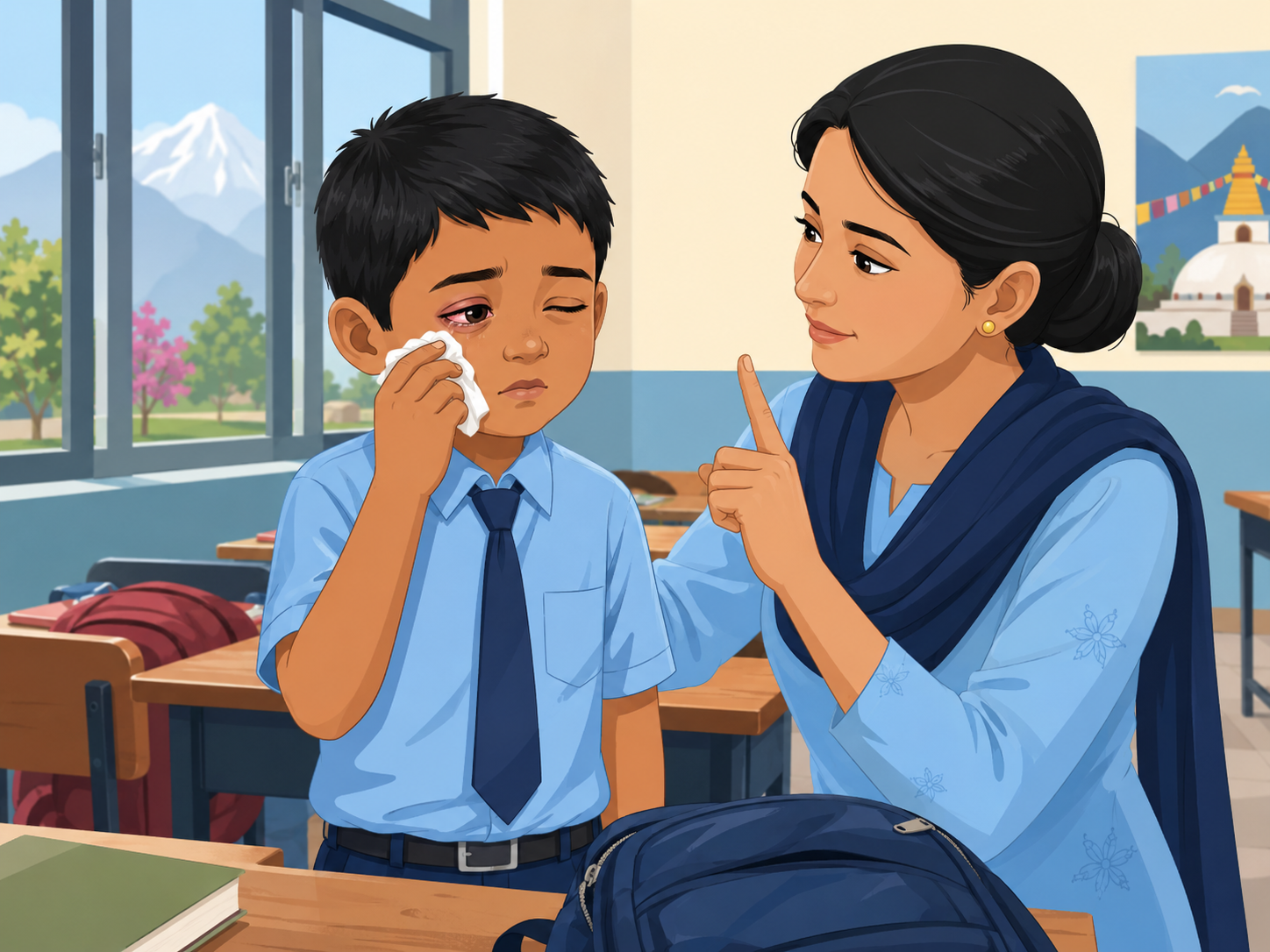
Conjunctivitis is commonly called red eye or pink eye.
It typically affects both eyes at the same time, causing them to:
look red or pink
feel like something is scratching inside or have a burning sensation
discharge a sticky pus that crusts onto the eyelashes
feel itchy
become watery
When conjunctivitis produces sticky pus, it can spread from person to person.
If your eyes are red and feel scratchy or gritty, this type of conjunctivitis is also likely to be contagious.
Conjunctivitis triggered by allergies, such as reactions to pollen, causes redness and watering of the eyes but cannot be passed on to others.
Red flags
If your baby has red, sticky eyes, see a doctor or health worker soon. This is especially urgent if your baby is under 30 days old - seek care right away.
If you wear contact lenses and notice conjunctivitis symptoms along with spots on your eyelids, see a doctor or health worker. You may be having an allergic reaction to your lenses.
If your conjunctivitis symptoms have not improved after 7 days, get medical advice.
Seek urgent medical attention right away if you or your child have any of the following:
Pain in the eyes
Sensitivity to light
Changes in vision, such as wavy lines or flashing lights
Very red eyes, whether one or both
A baby under 30 days old with red, sticky eyes
These symptoms can be signs of a more serious eye condition that needs prompt evaluation. Do not wait to see if symptoms improve on their own. Contact your nearest doctor, health worker, or emergency health service as soon as possible. For young children, especially those under 5, seek help without delay.
Self-care
Caring for conjunctivitis at home can help relieve discomfort while your eyes heal.
Clean around your eyes using cooled boiled water. Soak a fresh cotton wool pad in the water and gently wipe along your eyelashes to remove any crusting. Use a separate pad for each eye to avoid spreading infection.
Place a cool, damp cloth over your closed eyes for a few minutes to help soothe irritation and reduce discomfort.
Avoid wearing contact lenses until your eyes have fully recovered.
Suitable eyedrops or antihistamine medicines can ease your symptoms. For children under 2 years of age, a proper consultation from a doctor or health worker is needed before starting any treatment.
Treatment
Seek urgent medical attention from a doctor, health worker, or emergency service straight away if you notice any of the following:
pain in your eyes
sensitivity to light
changes in your vision, such as wavy lines or flashing
very red eyes, whether one eye or both
a newborn baby under 30 days old with red or sticky eyes
These symptoms may point to a more serious eye condition that needs prompt care.
Treating conjunctivitis
The right treatment depends on what is causing your conjunctivitis.
If the cause is a bacterial infection, a doctor may prescribe antibiotics. However, antibiotics will not help if your conjunctivitis is caused by a virus or an allergy, so it is important to know the cause before starting any treatment.
In some cases, conjunctivitis can result from a sexually transmitted infection. When this is the cause, the condition usually takes longer to clear up than other types.
Questions to ask your doctor
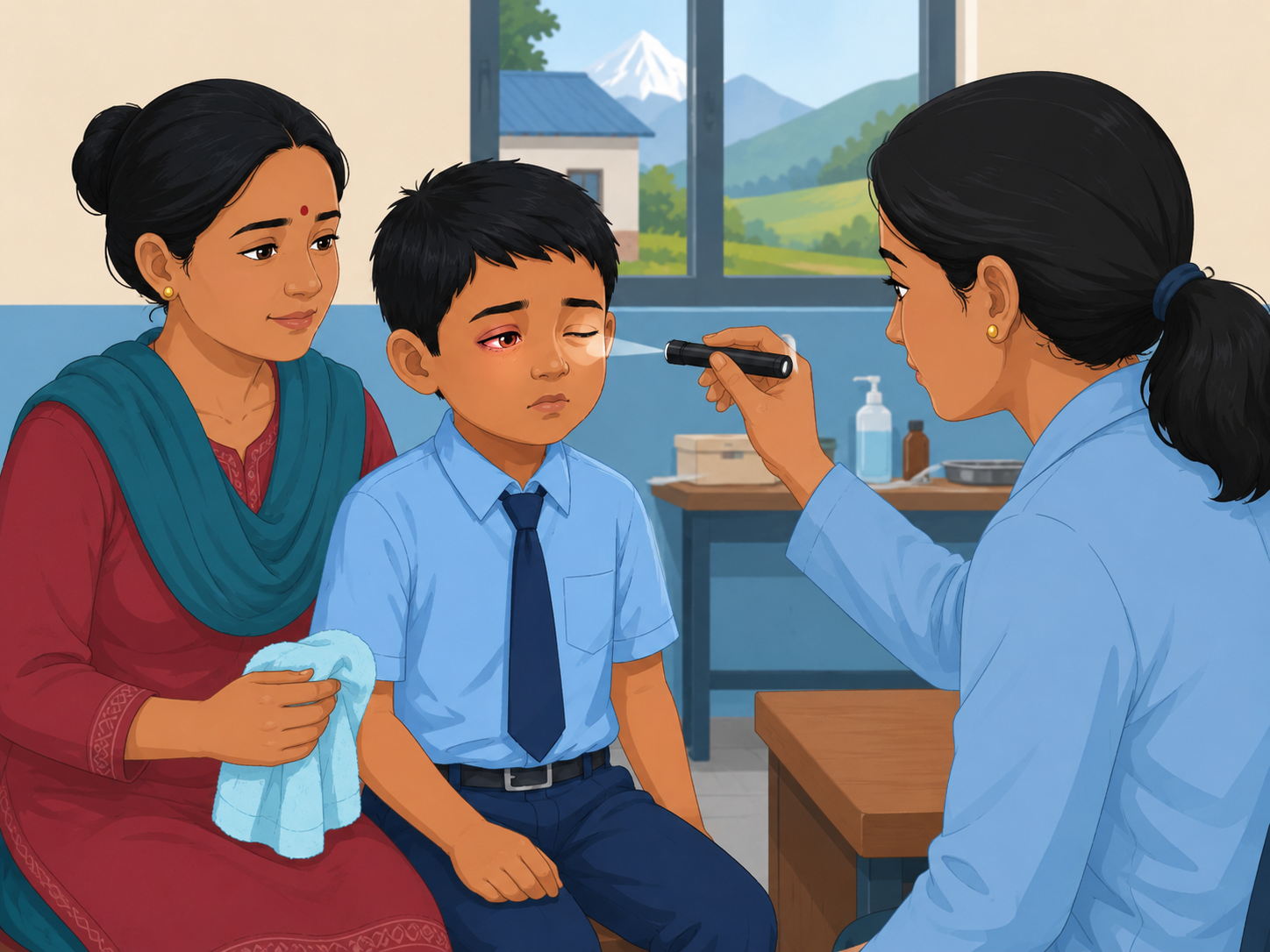
- Is my conjunctivitis caused by a bacterial infection, a virus, or an allergic reaction?
- Will this clear up on its own, or do I need medication?
- If you are prescribing me eye drops or other medicines, how should I use them properly and for how many days?
- Can I spread this to other people in my household, and what steps should I take to prevent that?
- How soon can I return to work, school, or my usual daily routine?
- When will it be safe for me to wear contact lenses again?
- What warning signs should prompt me to come back and see you right away?
- My child also has red and sticky eyes - could they have the same condition, and would their treatment be different from mine?
- Is it possible that an allergy is behind this, and if so, how can I find out what is triggering it?
- If my symptoms have not improved after a week, what should my next step be?
Nepal pathway
In Nepal, start with your nearest health post, PHC, clinic, or hospital if symptoms are worrying, severe, worsening, or not improving. Take previous prescriptions, test reports, allergy information, and current medicines with you. Seek urgent care immediately if there are red flag symptoms.
Disclaimer
This is general health information only and does not replace medical advice, diagnosis, treatment, or emergency care.
Help improve this guide
Spotted an error or want to contact us about this guide? Send a message to the HamroSwasthya team.