
Diabetes
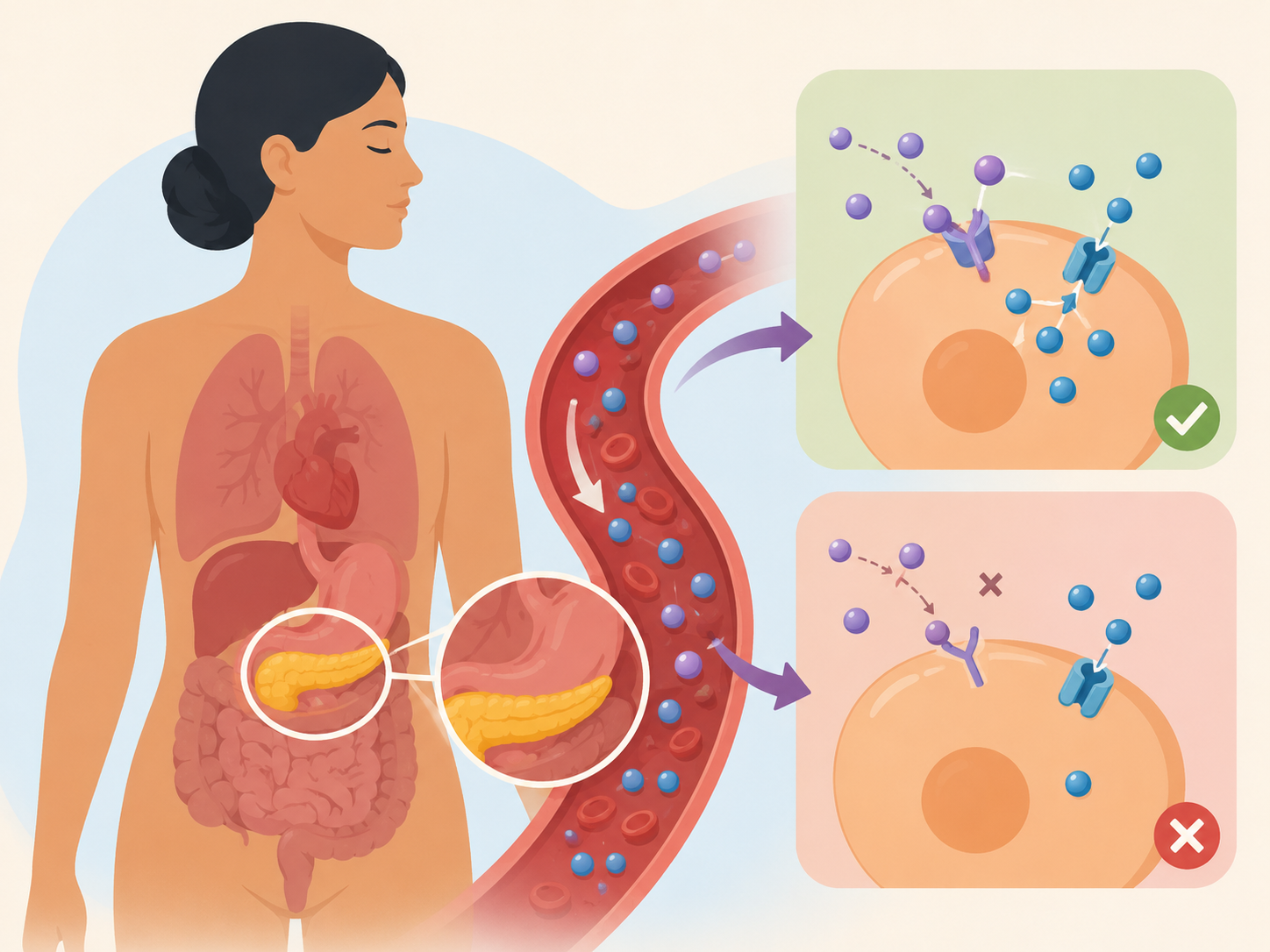
Diabetes is a long-term condition in which the body cannot properly control the level of sugar (glucose) in the blood. Glucose is the main source of energy for the body, and a hormone called insulin - made by the pancreas - helps move it from the blood into the body's cells. In diabetes, this process does not work as it should, either because the body does not produce enough insulin, does not use insulin effectively, or both.
There are two main types. Type 1 diabetes is an autoimmune condition where the body produces little or no insulin. It can develop at any age but is often diagnosed in childhood or early adulthood, and requires daily insulin treatment. Type 2 diabetes is much more common and usually develops gradually, often in adults. In Type 2, the body either does not make enough insulin or cannot use it well. It is strongly linked to lifestyle factors such as diet and physical activity, though genetics also plays a role. We will discuss more about each type in separate topic.
Without good management, persistently high blood sugar can damage blood vessels and nerves over time, leading to serious complications affecting the heart, kidneys, eyes, and feet. However, with the right treatment, healthy lifestyle choices, and regular check-ups, most people with diabetes can live well and greatly reduce the risk of these complications.
Symptoms
Many people with diabetes don't have symptoms in the early stages. When blood sugar levels get too high, common signs can include:
Feeling very thirsty
Urinating more often than usual, especially at night
Feeling very hungry
Losing weight without trying
Feeling very tired
Blurred vision
Sores that heal slowly
Frequent infections, like those affecting the skin or bladder
Red flags
Red Flags: Seek immediate medical help if you experience:
Severe stomach pain, nausea, or repeated vomiting.
Very fast or deep breathing, or difficulty breathing.
Feeling confused, very drowsy, or having trouble staying awake.
Fainting or losing consciousness.
A strong, fruity smell on your breath.
Self-care
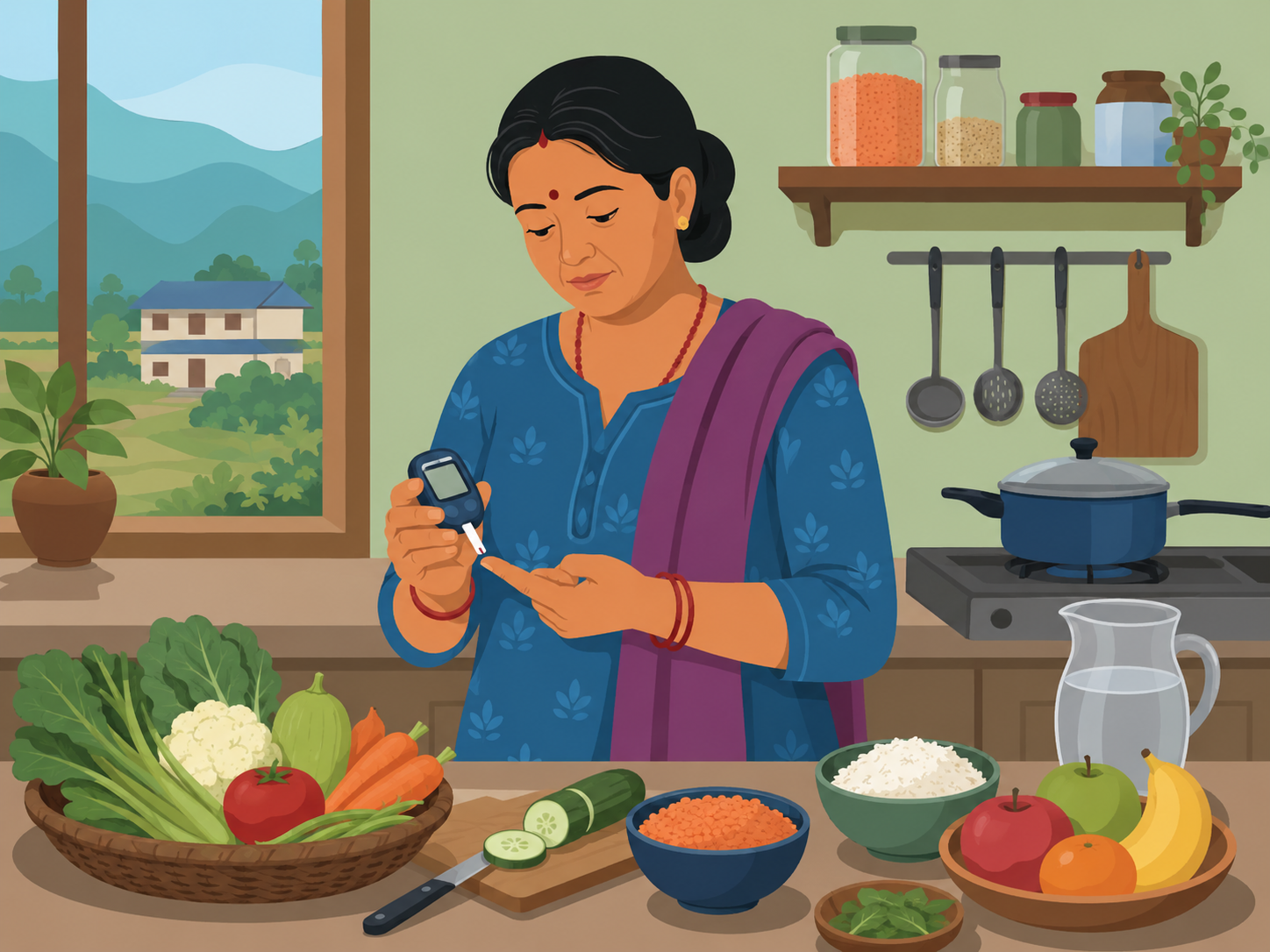
Managing diabetes well is key to staying healthy. Here are important ways you can take care of yourself:
Eat Healthy: Make balanced food choices. Focus on fruits, vegetables, whole grains, and lean proteins. Try to limit sugary drinks, processed foods, and unhealthy fats.
Stay Active: Regular physical activity helps your body use sugar more effectively. Aim for activities you enjoy, like walking, cycling, or dancing. Talk to your doctor about what type and amount of activity is safe for you.
Take Medicines as Directed: If your doctor has prescribed medicine for your diabetes, it's very important to take it exactly as instructed, even when you feel well.
Monitor Your Blood Sugar: Your doctor may advise you to check your blood sugar levels regularly. This helps you and your doctor understand how food, activity, and medicine affect your body. Learn how to do this correctly.
Regular Check-ups: Visit your doctor regularly for check-ups. They can help you manage your diabetes, adjust your treatment if needed, and check for any related health issues.
Foot Care: Check your feet daily for cuts, blisters, or sores. Wash them gently and keep them dry. Wear comfortable shoes that fit well to protect your feet.
Manage Stress: Stress can affect blood sugar levels. Find healthy ways to cope with stress, such as relaxation techniques, hobbies, or spending time with loved ones.
Treatment
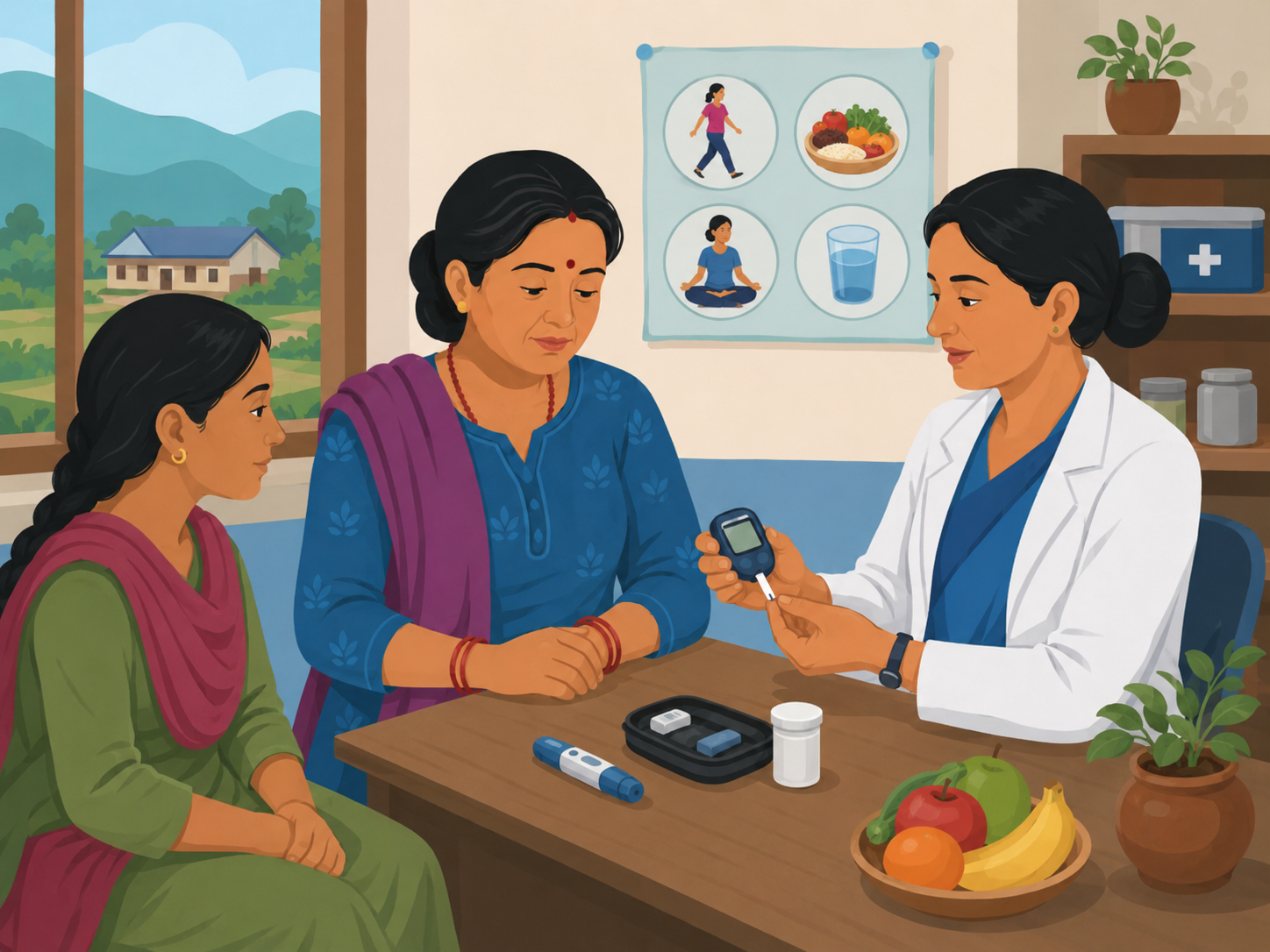
Treatment for diabetes focuses on keeping your blood sugar levels healthy to prevent long-term problems. Your doctor will work with you to create a treatment plan that's right for you.
This often involves a combination of approaches:
Lifestyle Adjustments: Healthy eating and regular physical activity are key parts of diabetes management. These changes can significantly help control blood sugar and are often the first step, or used alongside other treatments.
Medication: Many people with diabetes need medication. This might include pills that help your body produce more insulin or use it more effectively. For some, insulin injections are necessary to replace the insulin their body isn't making.
Regular Monitoring and Check-ups: Your doctor will regularly check your blood sugar levels and overall health. This helps ensure your treatment plan is working and allows for adjustments as needed to keep you healthy.
Questions to ask your doctor
- What type of diabetes do I have?
- What are my treatment options, and what are the benefits and risks of each?
- How should I take my medicines, and what side effects should I watch for?
- What healthy eating and activity changes are best for me?
- How often should I check my blood sugar, and what are my target levels?
- What should I do if my blood sugar is too high or too low?
- What signs of serious problems should I watch out for?
- When do I need to schedule my next check-up?
Nepal pathway
In Nepal, start with your nearest health post, PHC, clinic, or hospital if symptoms are worrying, severe, worsening, or not improving. Take previous prescriptions, test reports, allergy information, and current medicines with you. Seek urgent care immediately if there are red flag symptoms.
Disclaimer
This is general health information only and does not replace medical advice, diagnosis, treatment, or emergency care.
Help improve this guide
Spotted an error or want to contact us about this guide? Send a message to the HamroSwasthya team.