
Insect bites and stings
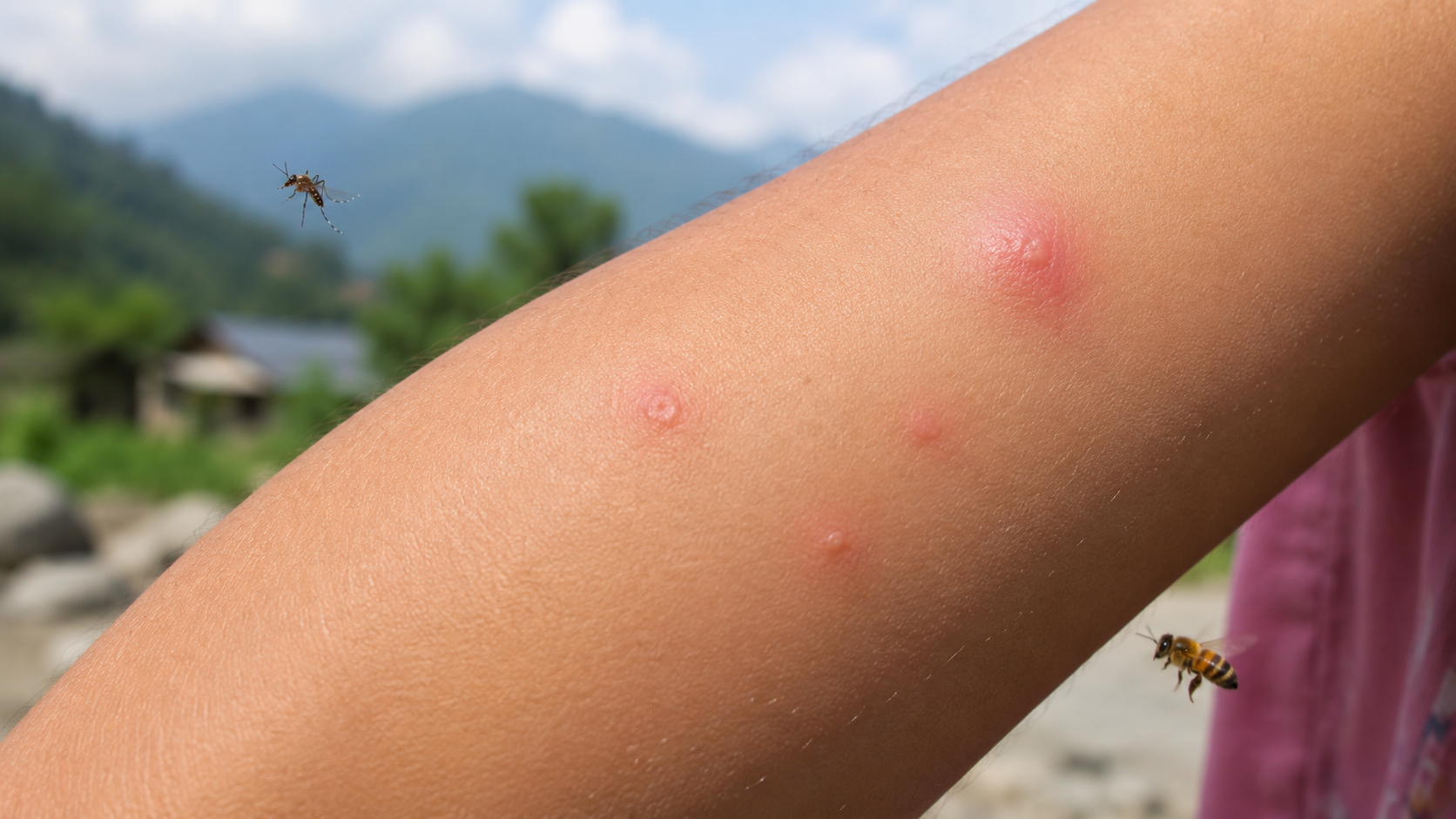
Insect bites and stings happen when an insect bites the skin or injects venom through a sting. Mosquitoes, ants, fleas, bedbugs, bees, wasps and other insects can cause reactions. Most are mild and improve within hours or a few days, but some can cause infection, a large local reaction or a serious allergic reaction.
Symptoms
Symptoms depend on the insect and the person's reaction. They may include:
A small raised lump or several itchy bumps
Redness or a darker patch around the affected area
Pain, burning, itching or warmth
Mild to moderate swelling
A visible sting, puncture mark or small blister
Several bites in a line or cluster
A larger swollen area around the bite or sting
Redness may be less noticeable on brown or black skin. Most uncomplicated reactions gradually improve over several days.
Red flags
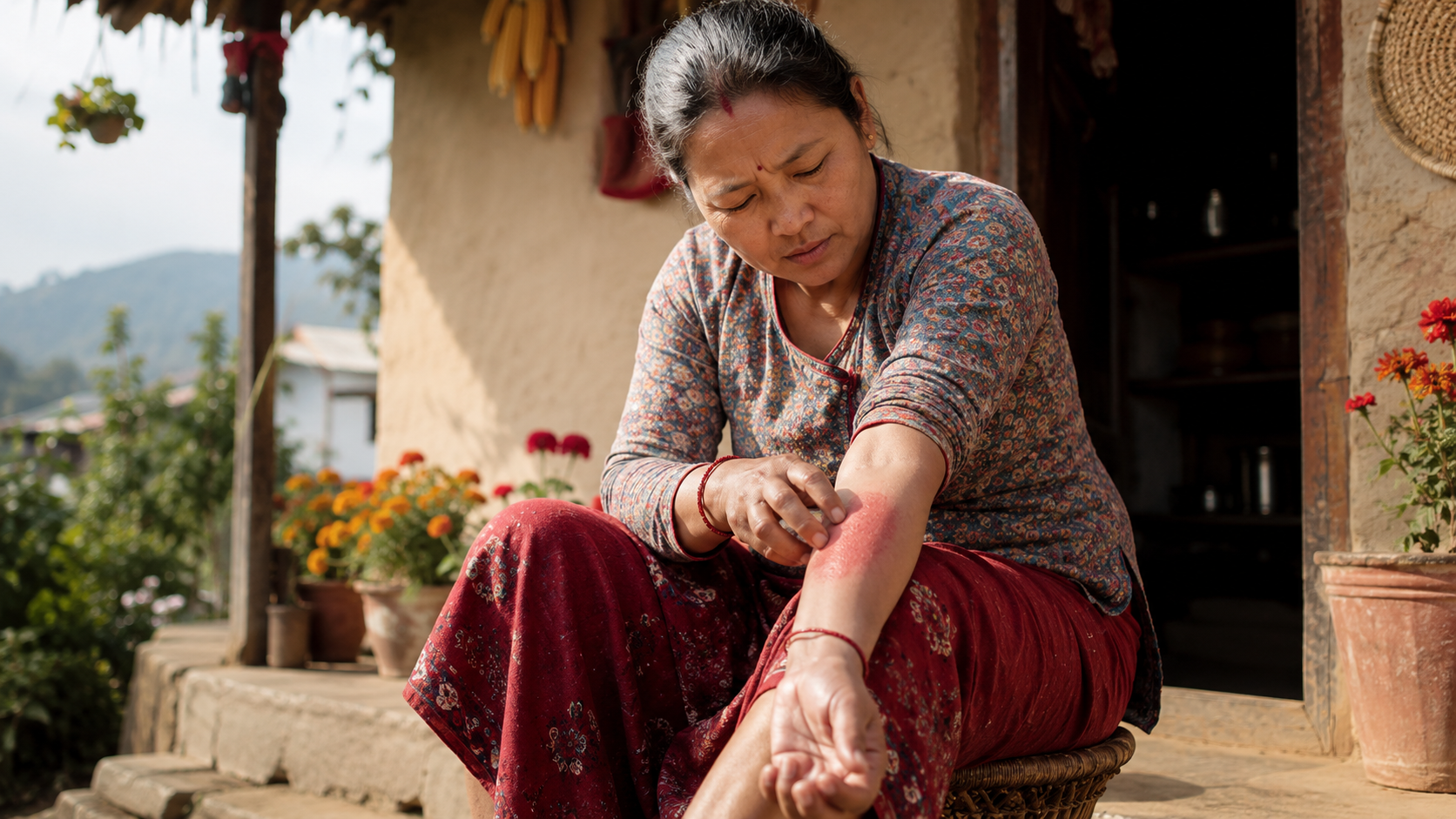
Seek emergency medical help immediately if the person develops:
Swelling of the lips, tongue, mouth or throat
Difficulty breathing, wheezing, choking or a hoarse voice
Difficulty swallowing or drooling
Sudden dizziness, confusion, collapse or loss of consciousness
Widespread itchy rash or hives together with breathing, swelling or circulation symptoms
Severe vomiting or abdominal pain after a sting
Many stings, especially in a child, older adult or person with heart or breathing problems
A sting inside the mouth, throat or near the eye
These may indicate anaphylaxis, a life-threatening allergic reaction. Use an adrenaline auto-injector immediately if one has been prescribed, and arrange emergency transport to hospital.
Seek prompt medical assessment if redness or swelling is rapidly spreading, pain is worsening, pus develops, red lines spread from the area, fever occurs, or the person becomes unwell. These may suggest infection.
Self-care
Move away from the insects to avoid further bites or stings.
If a bee sting is visible, scrape it sideways using a fingernail or firm card rather than squeezing it.
Wash the area with soap and clean water.
Apply a cold pack wrapped in cloth for short periods to reduce pain and swelling.
Raise the affected arm or leg if it is swollen.
Avoid scratching or bursting blisters.
Ask a pharmacist about suitable pain relief, an antihistamine or an anti-inflammatory cream if needed.
Do not apply irritating substances, chemicals or unproven home remedies.
If a tick is attached, remove it promptly using fine-tipped tweezers or a tick-removal tool, gripping close to the skin and pulling steadily upwards. Seek medical advice if a spreading circular rash or flu-like illness develops afterwards.
Treatment

Most bites and stings need only simple first aid and symptom relief. Antihistamines or a mild steroid cream may help itching and swelling when suitable for the person's age and health.
Antibiotics are not needed for a normal inflammatory reaction. They may be prescribed if a clinician finds evidence of bacterial infection.
A severe allergic reaction requires immediate adrenaline and emergency hospital care. People who have previously had anaphylaxis may need allergy assessment, emergency medicines and advice on avoiding future exposure.
Questions to ask your doctor
Is this a normal reaction or has the skin become infected?
Could this have been an allergic reaction?
Which treatment is safe for the itching, pain or swelling?
Do I need antibiotics?
Should I carry an adrenaline auto-injector in the future?
Could this be a tick bite, and what symptoms should I monitor?
Which symptoms mean I should go to hospital immediately?
Nepal pathway
In Nepal, start with your nearest health post, PHC, clinic, or hospital if symptoms are worrying, severe, worsening, or not improving. Take previous prescriptions, test reports, allergy information, and current medicines with you. Seek urgent care immediately if there are red flag symptoms.
Disclaimer
This is general health information only and does not replace medical advice, diagnosis, treatment, or emergency care.
Help improve this guide
Spotted an error or want to contact us about this guide? Send a message to the HamroSwasthya team.