
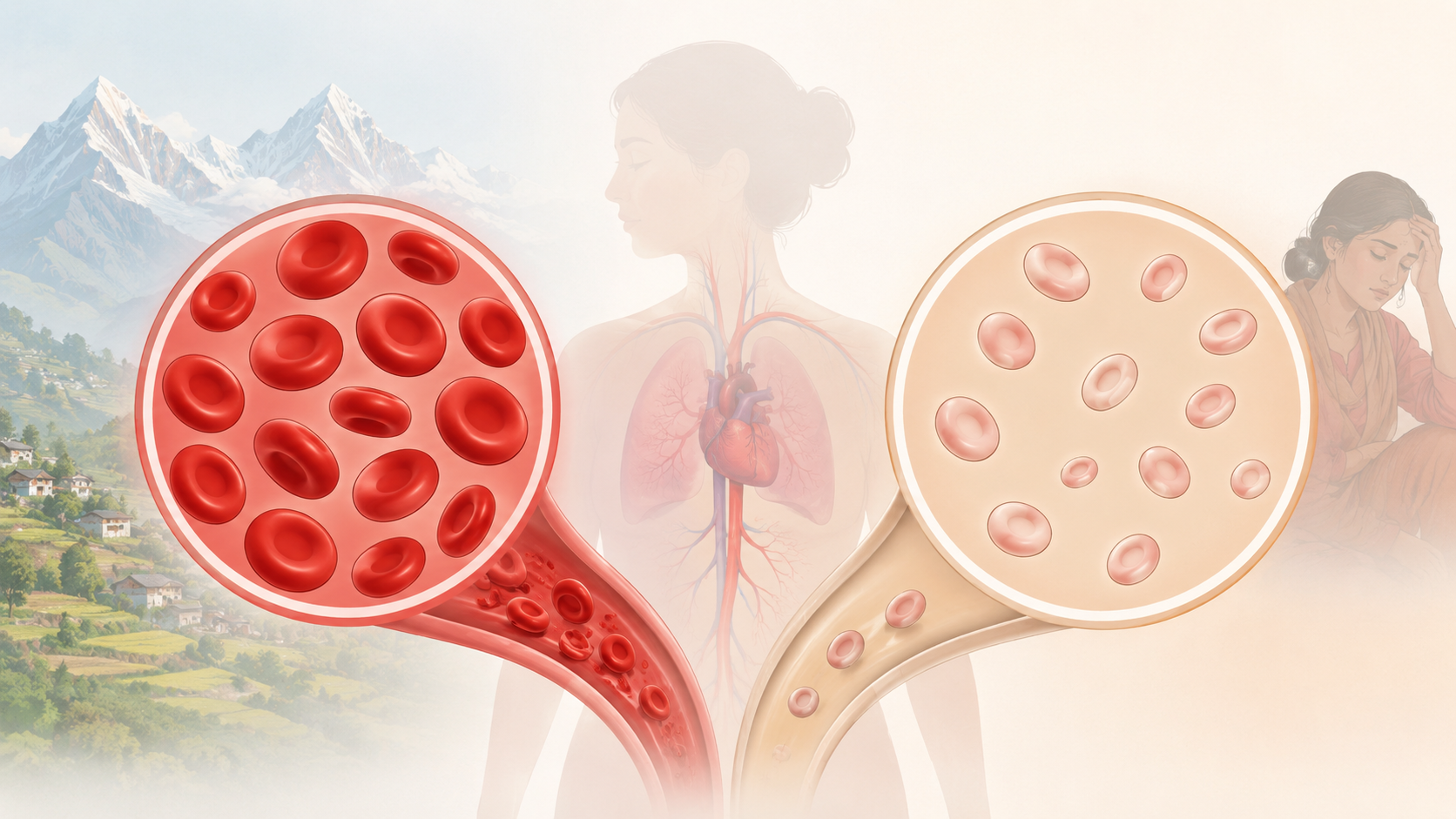
Iron deficiency anaemia
Iron deficiency anaemia happens when the body does not have enough iron to make healthy haemoglobin, the part of red blood cells that carries oxygen. Common causes include heavy periods, pregnancy, blood loss from the stomach or bowel, low iron intake, or problems absorbing iron. Anaemia can also have causes other than low iron, so blood tests and assessment of the cause are important.
Symptoms
Symptoms may develop gradually and can include:
Tiredness, low energy, or reduced exercise tolerance
Shortness of breath, especially on exertion
Feeling dizzy, light-headed, or having headaches
Noticeable or fast heartbeats
Pale skin, lips, or inside the eyelids
Cold hands and feet
Difficulty concentrating or feeling unusually irritable
Sore tongue, cracks at the corners of the mouth, hair loss, or brittle nails
Craving non-food items such as ice, soil, or paper
Restless legs, especially at night
Some people have only mild symptoms, even when their iron stores are low.
Red flags
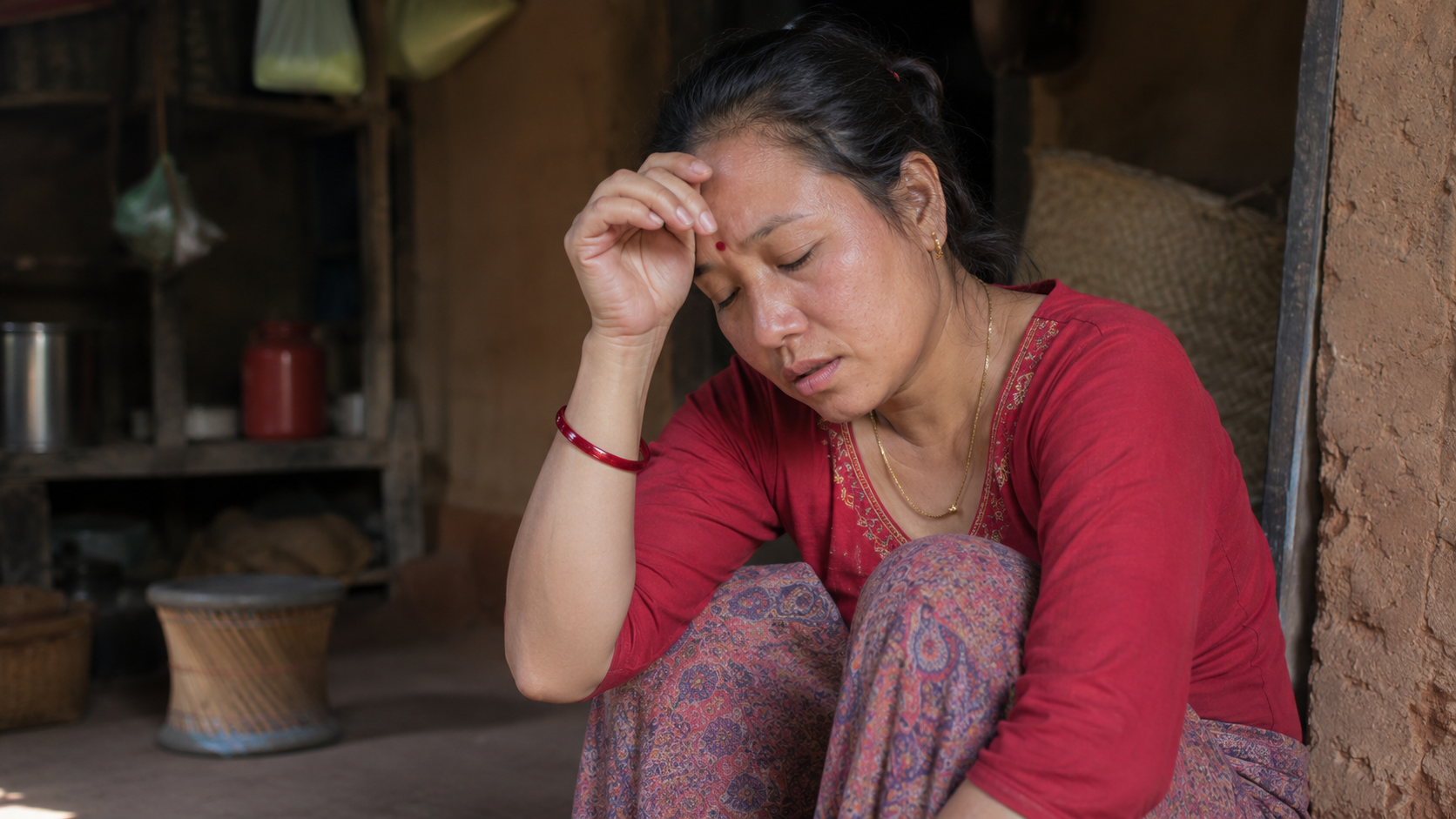
Go to the nearest hospital urgently, or call Ambulance Nepal on 102 where available, if you have:
Chest pain, severe breathlessness, or breathlessness at rest
Fainting, collapse, new confusion, or extreme weakness
A very fast or irregular heartbeat with dizziness or feeling unwell
Vomiting blood, black sticky stools, blood in stool, or heavy ongoing bleeding
Very heavy vaginal bleeding, such as rapidly soaking pads or passing large clots
Severe symptoms during pregnancy, after childbirth, or following major blood loss
A child who is very sleepy, breathing quickly, feeding poorly, or looks very pale and unwell
These symptoms may suggest severe anaemia, significant bleeding, or another serious illness that needs urgent assessment. Ambulance Nepal lists 102 as its emergency number.
Self-care
Self-care
Eat a varied diet with iron-rich foods, such as meat, fish, eggs, lentils, beans, chickpeas, dark green leafy vegetables, and iron-fortified foods.
Include vitamin C-rich foods, such as citrus fruit, guava, tomatoes, peppers, or other fruit and vegetables, as these can help iron absorption.
Avoid tea, coffee, cocoa, and large amounts of dairy at the same time as iron-rich meals or prescribed iron treatment, as they can reduce iron absorption.
If heavy periods, poor diet, pregnancy, stomach symptoms, or bowel changes may be contributing, discuss this with a health professional.
Do not diagnose iron deficiency from symptoms alone or start long-term iron tablets without advice. Too much iron can be harmful, especially for children. Keep iron medicines out of children's reach.
Treatment
Treatment should address both the low iron and the reason it developed.
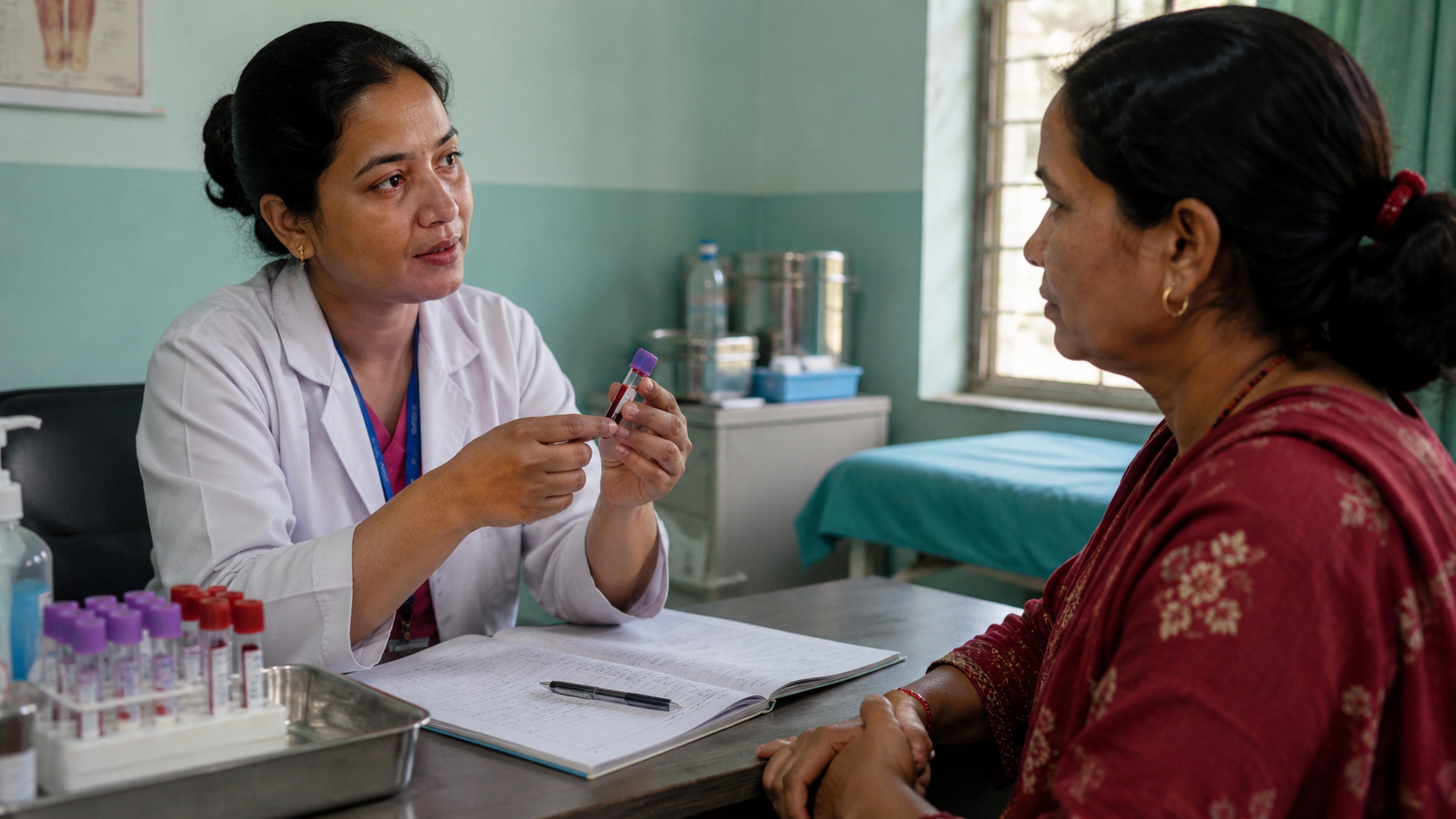
A doctor will usually arrange blood tests, including a full blood count and iron studies. Oral iron tablets or liquid are commonly used when iron deficiency is confirmed. Treatment often continues for several months, with repeat blood tests to check response and rebuild iron stores.
Iron treatment can cause constipation, diarrhoea, nausea, stomach discomfort, heartburn, or darker stools. Tell a clinician if side effects are troublesome rather than stopping treatment without advice.
Some people may need intravenous iron, especially if tablets are not tolerated, do not work, cannot be absorbed properly, or the anaemia needs more rapid correction. Heavy periods, pregnancy-related needs, stomach or bowel bleeding, dietary problems, and absorption disorders may also need separate treatment.
Questions to ask your doctor
Is this definitely iron deficiency anaemia, or could there be another cause?
What may be causing my iron deficiency?
Do I need tests for heavy bleeding, stomach or bowel blood loss, coeliac disease, infection, or another condition?
Which iron treatment is suitable for me, and how long should I take it?
When should my blood test be repeated?
What side effects should I expect, and what should I do if they occur?
Could any of my regular medicines be contributing to blood loss or poor iron absorption?
Do I need specialist referral or intravenous iron?
Which symptoms mean I should seek urgent medical help?
Nepal pathway
In Nepal, start with your nearest health post, PHC, clinic, or hospital if symptoms are worrying, severe, worsening, or not improving. Take previous prescriptions, test reports, allergy information, and current medicines with you. Seek urgent care immediately if there are red flag symptoms.
Disclaimer
This is general health information only and does not replace medical advice, diagnosis, treatment, or emergency care.
Help improve this guide
Spotted an error or want to contact us about this guide? Send a message to the HamroSwasthya team.