
Typhoid Fever
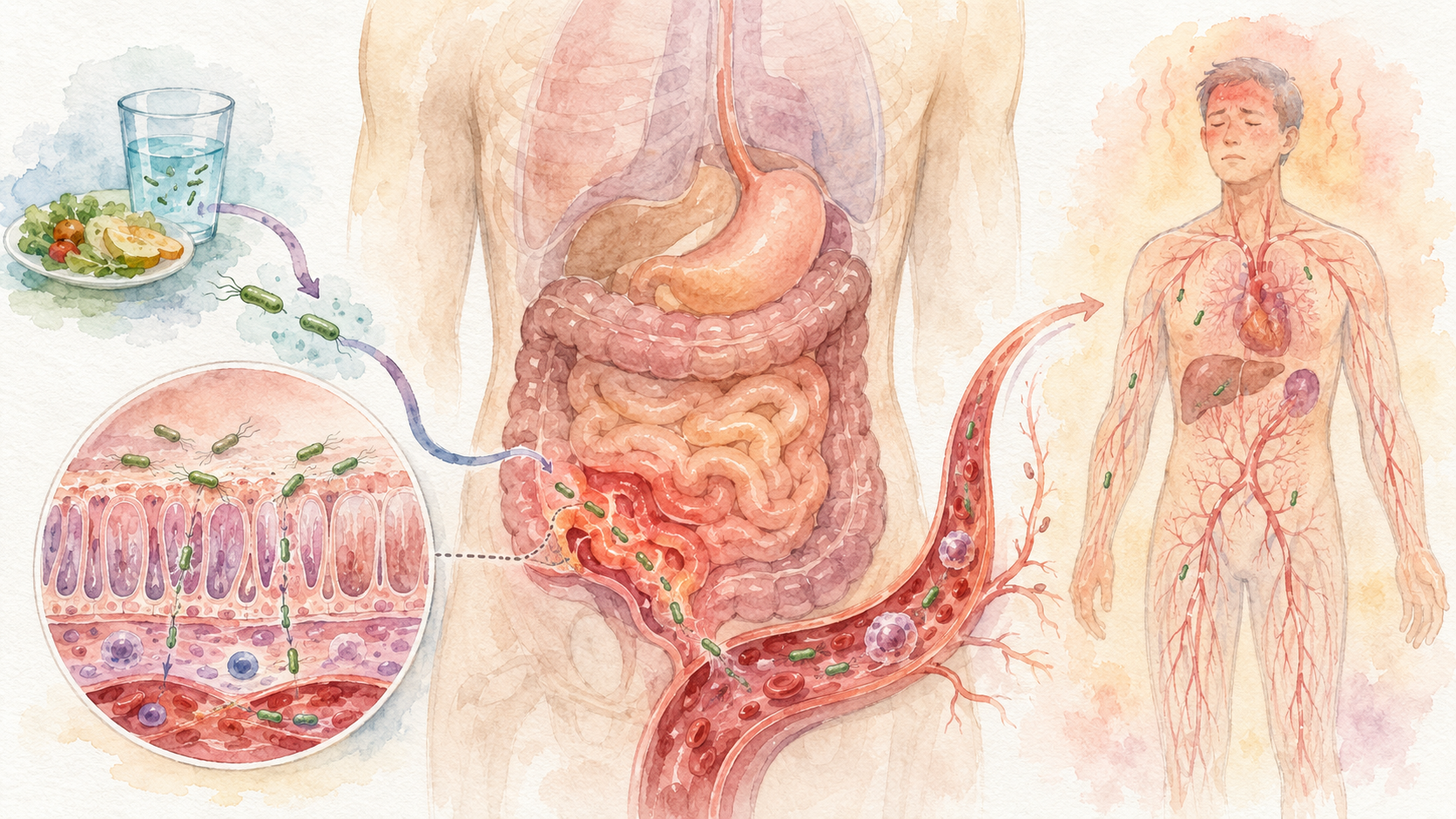
Typhoid fever is a serious bacterial infection that spreads through contaminated food and water. You can get it by drinking water that is not clean, or by eating food that has not been cooked properly or washed with safe, clean water. It is important to be careful about what you eat and drink, especially in areas where clean water and proper sanitation may not always be available. Getting vaccinated and practising good hygiene are important steps to protect yourself and your family.
Symptoms
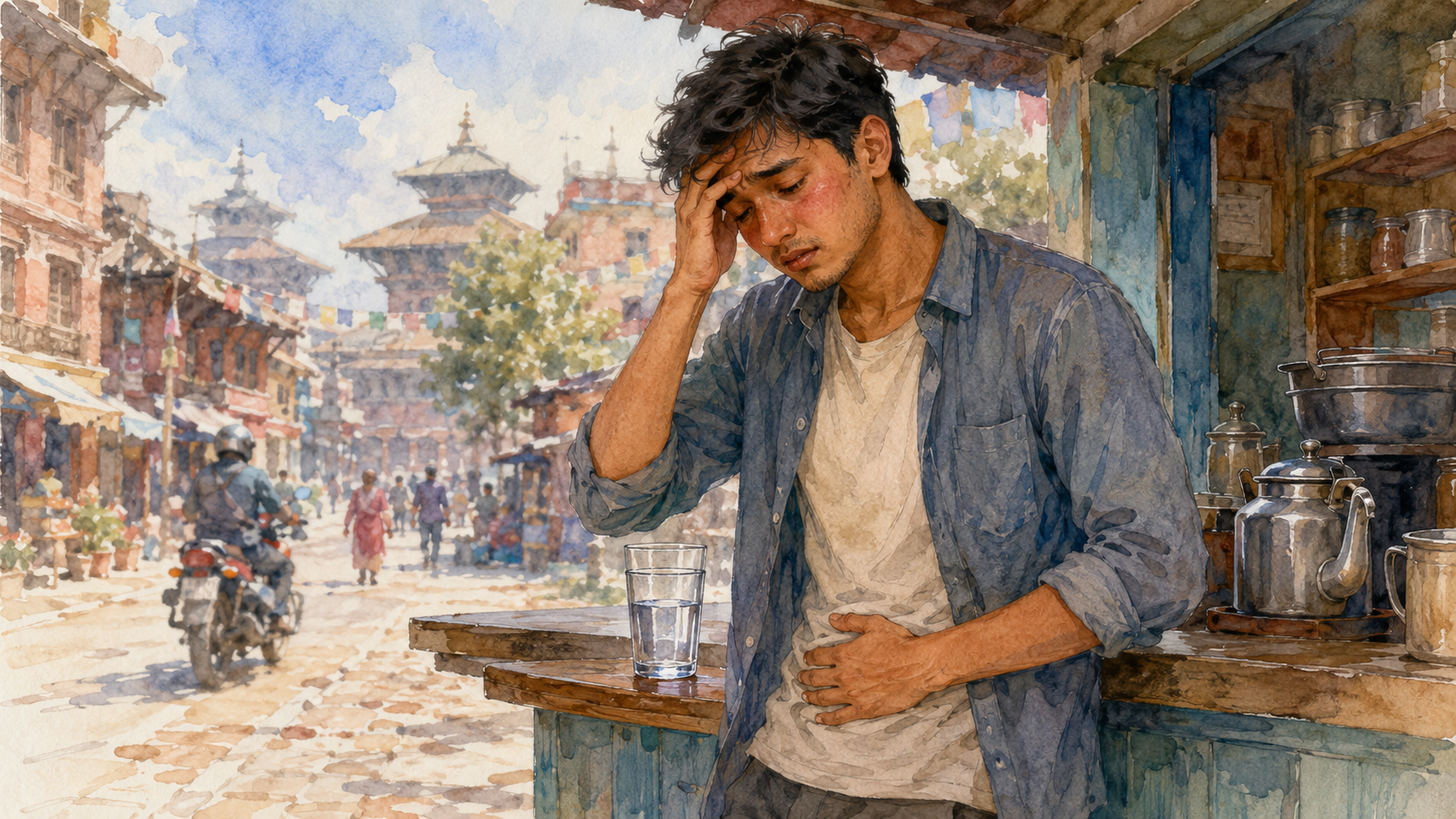
Typhoid fever spreads through drinking contaminated water or eating food that has not been properly cooked or washed with clean water. The disease is common in many parts of Asia, Africa, and Central and South America.
Symptoms usually appear within 3 weeks of infection, though in some cases they may take up to 6 weeks to develop.
Common symptoms include:
high fever that may gradually worsen over several days
headache
cough
chills, body aches, and pains
feeling tired or unwell
constipation or less frequent bowel movements than usual
loss of appetite
Stomach pain and diarrhoea can also occur, but these tend to appear after the other symptoms have already started.
Some people develop a rash of light pink spots, usually on the upper body. This rash can be difficult to notice on darker skin.
If typhoid fever is not treated, it can cause serious complications such as internal bleeding or peritonitis, which is an infection of the lining inside the abdomen.
Red flags
Go to the nearest hospital emergency department immediately or call your local emergency services if:
you develop sudden stomach pain that keeps getting worse
your stool is black or dark red in colour
you are vomiting blood, or your vomit looks like ground coffee
Do not drive yourself to the hospital. Ask someone to take you, or call for an ambulance.
Bring all your medicines with you when you go for emergency care.
Self-care
Taking Care of Yourself at Home
If your doctor has confirmed you have typhoid fever and has said it is safe for you to recover at home, the following steps can help you feel more comfortable and support your recovery.
Take your antibiotics as prescribed
Always finish the full course of antibiotics your doctor has given you, even if you start to feel better before they run out. Stopping early can allow the infection to return and may make it harder to treat next time.
Rest as much as possible
Your body needs energy to fight the infection. Try to rest and avoid strenuous activity until you have fully recovered.
Stay hydrated
A high fever can cause your body to lose fluids quickly. Drink plenty of safe, clean water throughout the day. Oral rehydration salts (ORS), which are widely available at pharmacies and health posts, can help replace fluids and salts lost through fever, sweating, or diarrhoea.
Manage your fever
If you feel very uncomfortable from the fever, paracetamol (following the instructions on the packaging or your doctor's advice) can help bring your temperature down and ease aches and pains. Avoid ibuprofen and aspirin unless your doctor says these are safe for you.
Eat soft, easy-to-digest foods
Your appetite may be poor and your stomach may feel sensitive. Try small, frequent meals of simple foods such as rice, bread, or soup. Avoid spicy, oily, or heavy foods until you are feeling better.
Practise strict hygiene at home
Typhoid fever can spread to others in your household. Wash your hands thoroughly with soap and water, especially after using the toilet and before handling food. Use a separate towel if possible, and make sure your toilet area is kept clean.
Only drink safe water
Continue to drink water that has been boiled, filtered, or treated. Do not drink from taps or sources that may not be clean while you are recovering.
Do not prepare food for others
Avoid handling or preparing food for other people until your doctor confirms you are no longer infectious. This is especially important if you work in food preparation, healthcare, or care for young children.
Keep all follow-up appointments
Your doctor may ask you to return for further tests or check-ups. It is important to attend these, as some people can still carry and spread the bacteria even after they feel better.
Treatment
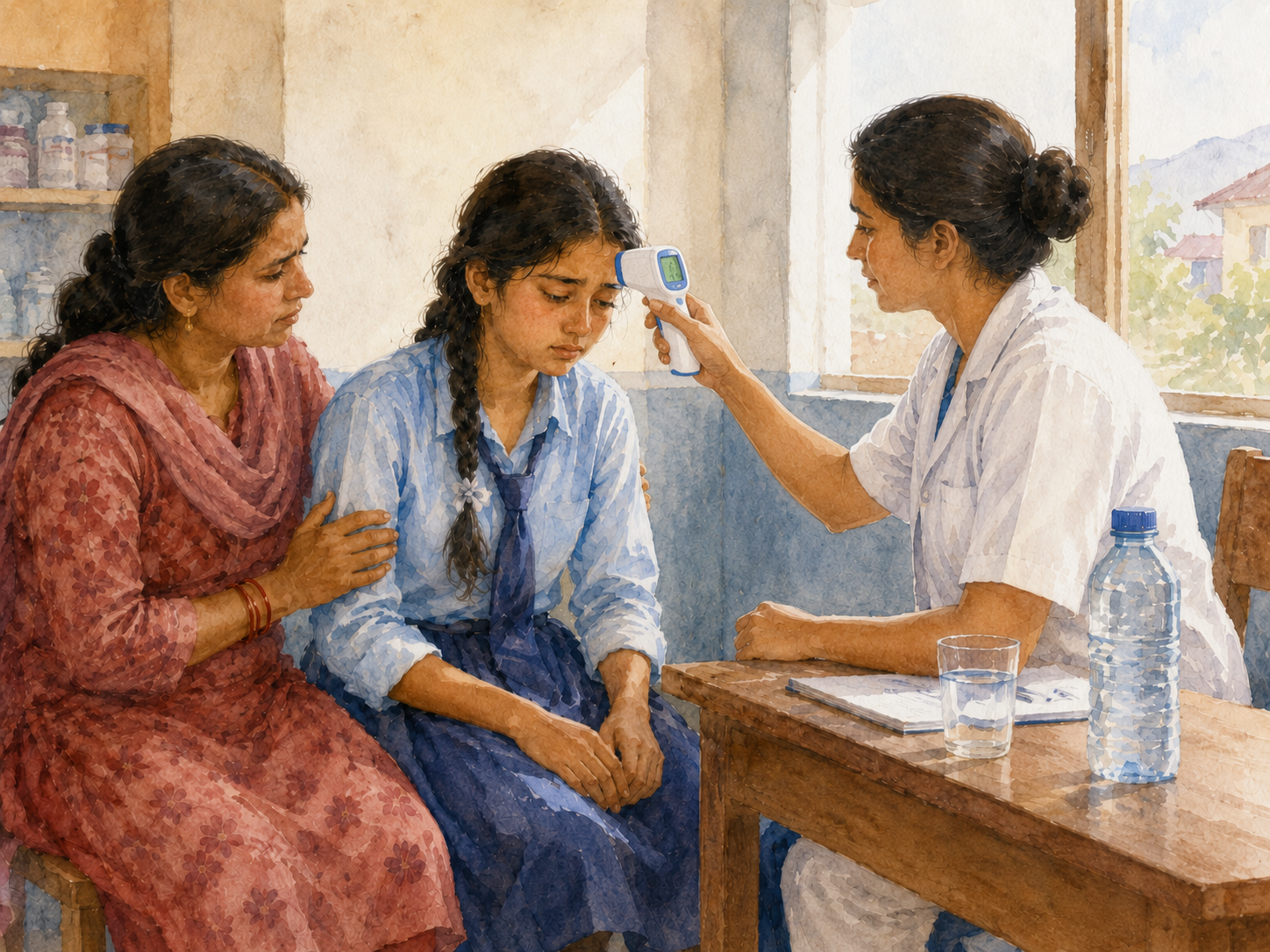
If typhoid fever is suspected, a doctor will arrange tests on samples of your blood, stool, and urine to confirm the infection. You may need to visit a hospital for these tests to be done properly.
Typhoid fever is treated with a course of antibiotics. Your doctor may also give you medicine to help bring down your fever. After starting antibiotics, you should begin to feel better, but a high temperature may continue for around five days before it settles.
It is very important to complete the full course of antibiotics even if you feel well before they are finished. Stopping early can allow the infection to return or become harder to treat.
If your work involves handling food, caring for patients, or working closely with young children, you may need to stay away from work until stool tests confirm that the infection has cleared. Children under five years old may also need to stay away from school or childcare until test results show they are no longer carrying the infection.
Questions to ask your doctor
Being prepared for your appointment can help you get the most out of your visit. Consider asking your doctor the following questions:
About your diagnosis
Do I definitely have typhoid fever, or could it be something else?
What tests will I need, and when will the results be ready?
How serious is my infection at this stage?
About your treatment
Which antibiotic have you prescribed for me, and why?
How long do I need to take it, and what should I do if I miss a dose?
Are there any side effects I should watch out for?
Can I take any medicines to help with my fever or pain alongside the antibiotic?
About your recovery
Is it safe for me to recover at home, or do I need to be admitted to hospital?
What signs should I watch for that mean I need to come back or go to hospital?
How long is it likely to take before I feel better?
When can I return to work, school, or normal daily activities?
About protecting others
Can I spread typhoid to people I live with, and if so, what precautions should we take?
Should anyone in my household see a doctor or get tested?
About prevention going forward
Should I consider getting vaccinated against typhoid in the future?
What is the best way to avoid getting typhoid fever again?
Nepal pathway
In Nepal, start with your nearest health post, PHC, clinic, or hospital if symptoms are worrying, severe, worsening, or not improving. Take previous prescriptions, test reports, allergy information, and current medicines with you. Seek urgent care immediately if there are red flag symptoms.
Disclaimer
This is general health information only and does not replace medical advice, diagnosis, treatment, or emergency care.
Help improve this guide
Spotted an error or want to contact us about this guide? Send a message to the HamroSwasthya team.