
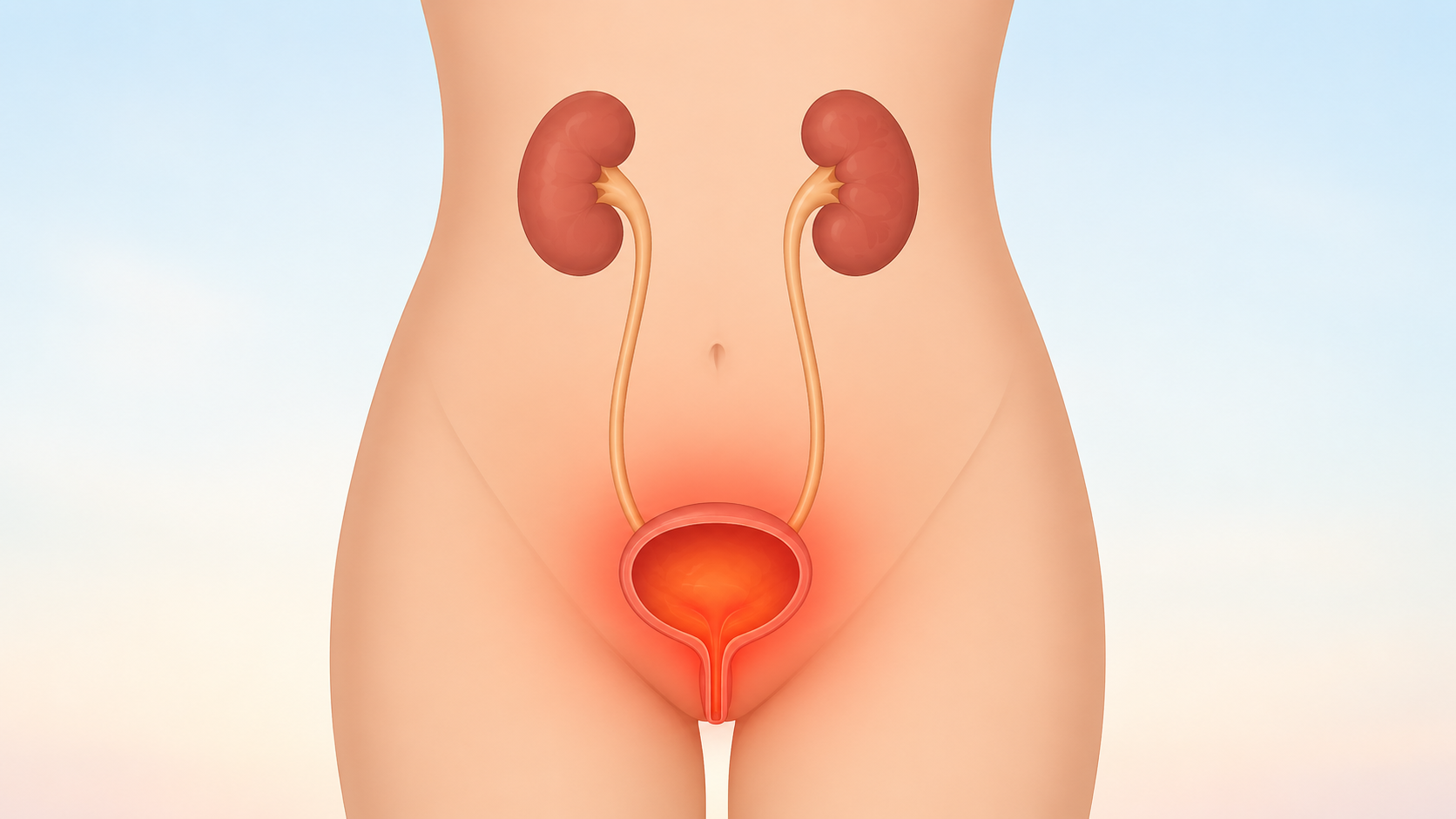
Urinary Tract Infections (UTIs)
A Urinary Tract Infection (UTI) is an infection in any part of your urinary system, which includes your kidneys, bladder, ureters, and urethra. Most UTIs are caused by bacteria and commonly affect the bladder. They are a frequent health issue, especially for women. Common symptoms can include pain or burning when you urinate, needing to urinate often, a strong urge to urinate, cloudy or strong-smelling urine, and discomfort in your lower belly or back. While often treatable, it's important to see a doctor if you suspect a UTI, as untreated infections can sometimes lead to more serious problems.
Symptoms
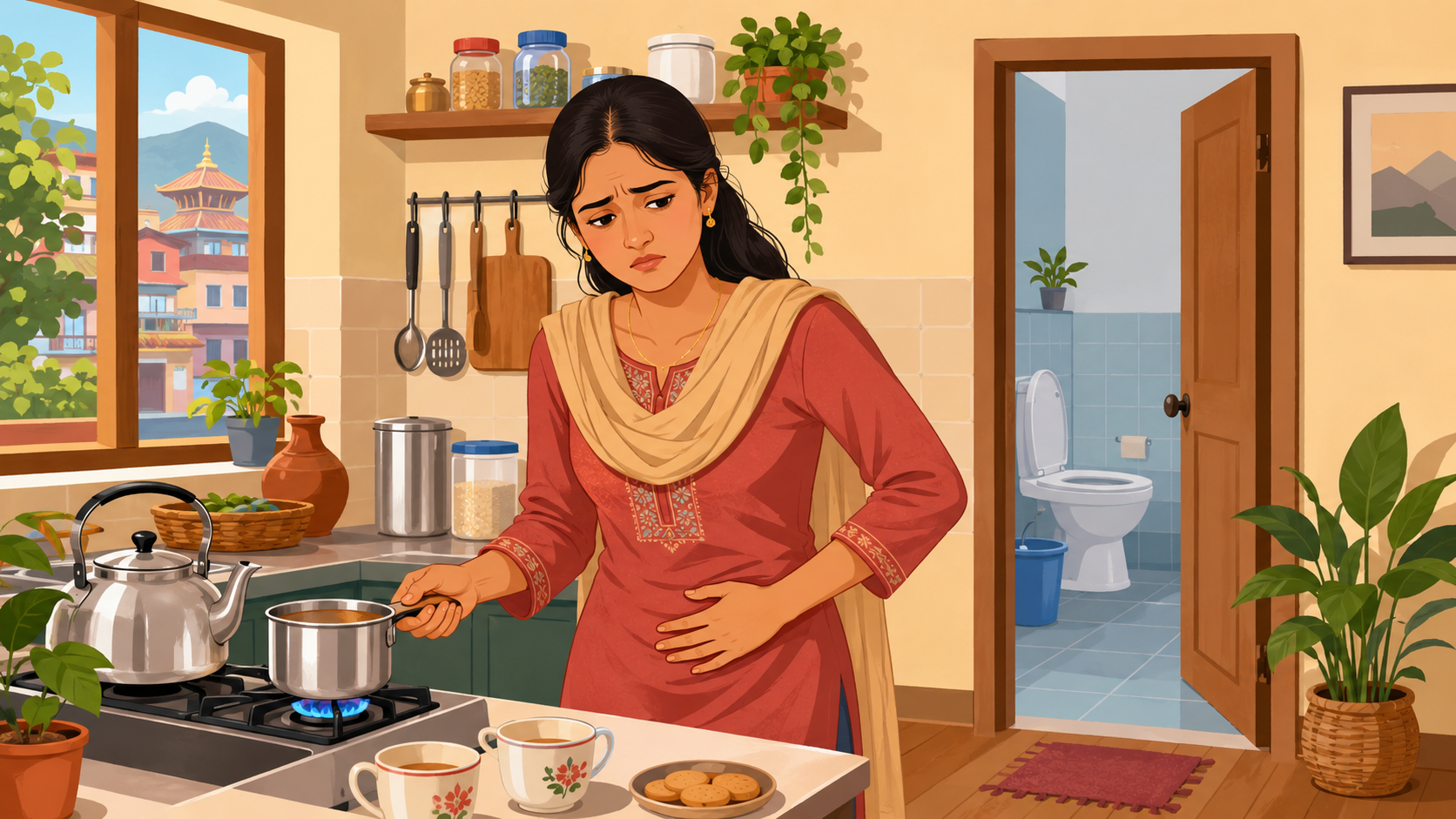
UTI symptoms can include:
Pain or a burning feeling when you urinate
Needing to urinate more often than usual
A strong, sudden urge to urinate
Urine that looks cloudy or has a strong smell
Discomfort or pain in your lower belly or back
Feeling generally unwell or tired
Red flags
Seek immediate medical attention if you have a suspected UTI and experience:
Fever or chills (feeling hot and shivering).
Pain in your back or side, just below your ribs.
Feeling sick to your stomach (nausea) or throwing up (vomiting).
Blood in your urine.
New confusion or sudden changes in behavior, especially if you are an older adult.
If you are pregnant, a man, or a child, any suspected UTI should be checked by a doctor promptly.
Self-care
Here are some steps you can take to help manage symptoms and prevent UTIs:
Drink plenty of water: This helps flush out bacteria from your urinary system.
Don't hold your urine: Urinate as soon as you feel the need to.
Wipe from front to back: This is especially important for women to prevent bacteria from entering the urethra.
Wear comfortable clothing: Choose loose-fitting cotton underwear to help keep the area dry.
Avoid certain irritants: Some people find that drinks like coffee, alcohol, and fizzy drinks, or spicy foods, can irritate their bladder.
Manage pain: Over-the-counter pain relievers can help ease discomfort.
Finish all prescribed medicine: If a doctor gives you antibiotics, take them exactly as instructed and complete the entire course, even if you feel better. This is vital to fully clear the infection and prevent it from returning.
Treatment
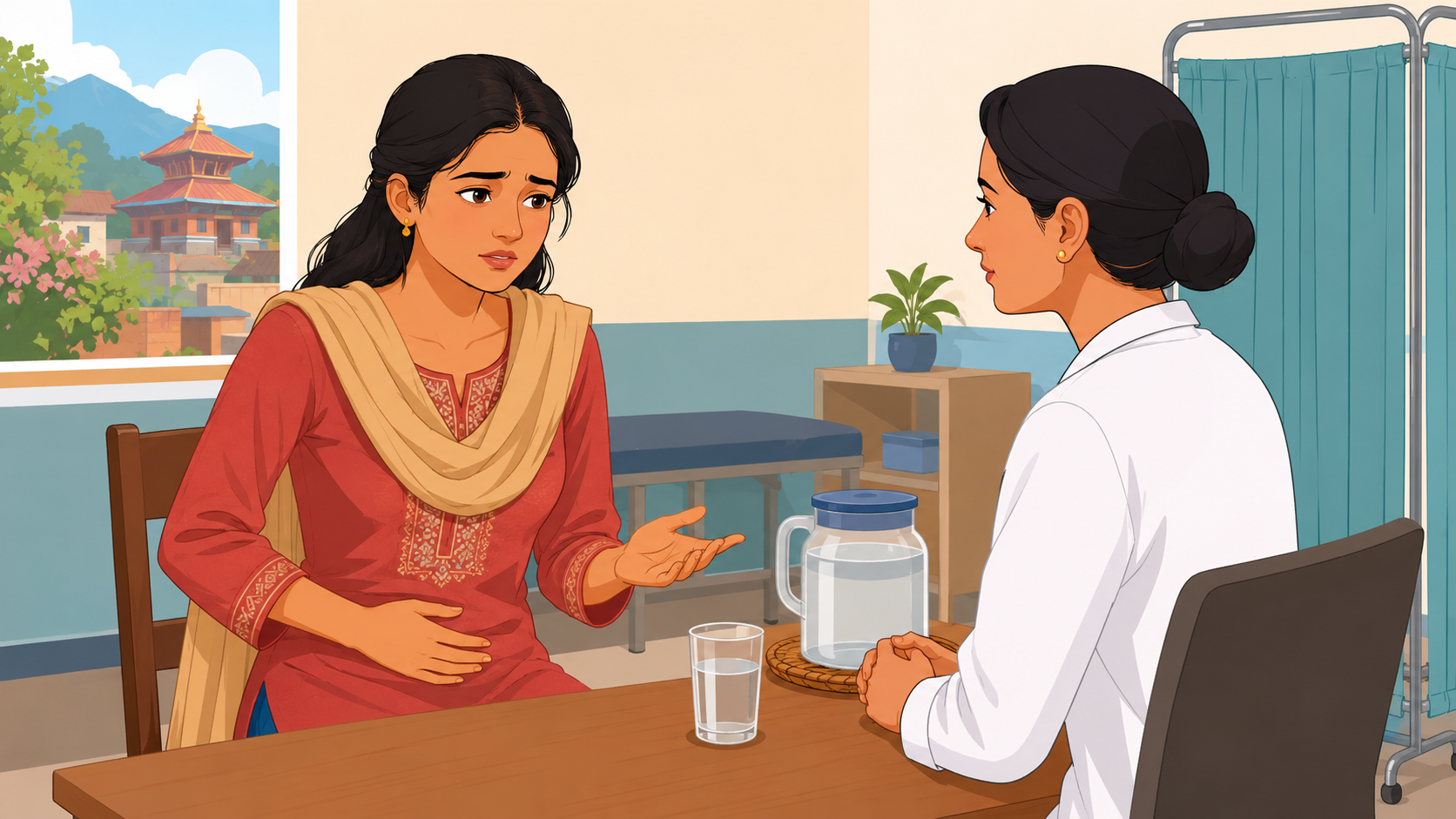
If you suspect you have a UTI, it's important to see a doctor for proper diagnosis and treatment.
Antibiotics: For most bacterial UTIs, doctors will prescribe antibiotics. These medicines help kill the bacteria causing the infection. It's very important to take all the antibiotics exactly as prescribed, even if you start to feel better. Stopping early can lead to the infection coming back or becoming harder to treat.
Pain Relief: Your doctor might also suggest simple pain relievers to help ease any discomfort or burning while the antibiotics start to work.
Hydration: Continue to drink plenty of water. This helps flush your urinary system and aids in recovery.
Questions to ask your doctor
- What is causing my symptoms? Is it a UTI?
- What medicine will you prescribe, and how should I take it?
- How long will it take for me to start feeling better?
- What should I do if my symptoms don't improve or get worse after starting medicine?
- Are there any side effects I should know about from the medicine?
- What can I do at home to help with my recovery and prevent future UTIs?
- Do I need to come back for a follow-up visit?
Nepal pathway
In Nepal, start with your nearest health post, PHC, clinic, or hospital if symptoms are worrying, severe, worsening, or not improving. Take previous prescriptions, test reports, allergy information, and current medicines with you. Seek urgent care immediately if there are red flag symptoms.
Disclaimer
This is general health information only and does not replace medical advice, diagnosis, treatment, or emergency care.
Help improve this guide
Spotted an error or want to contact us about this guide? Send a message to the HamroSwasthya team.