
Anaphylaxis: A Severe Allergic Reaction
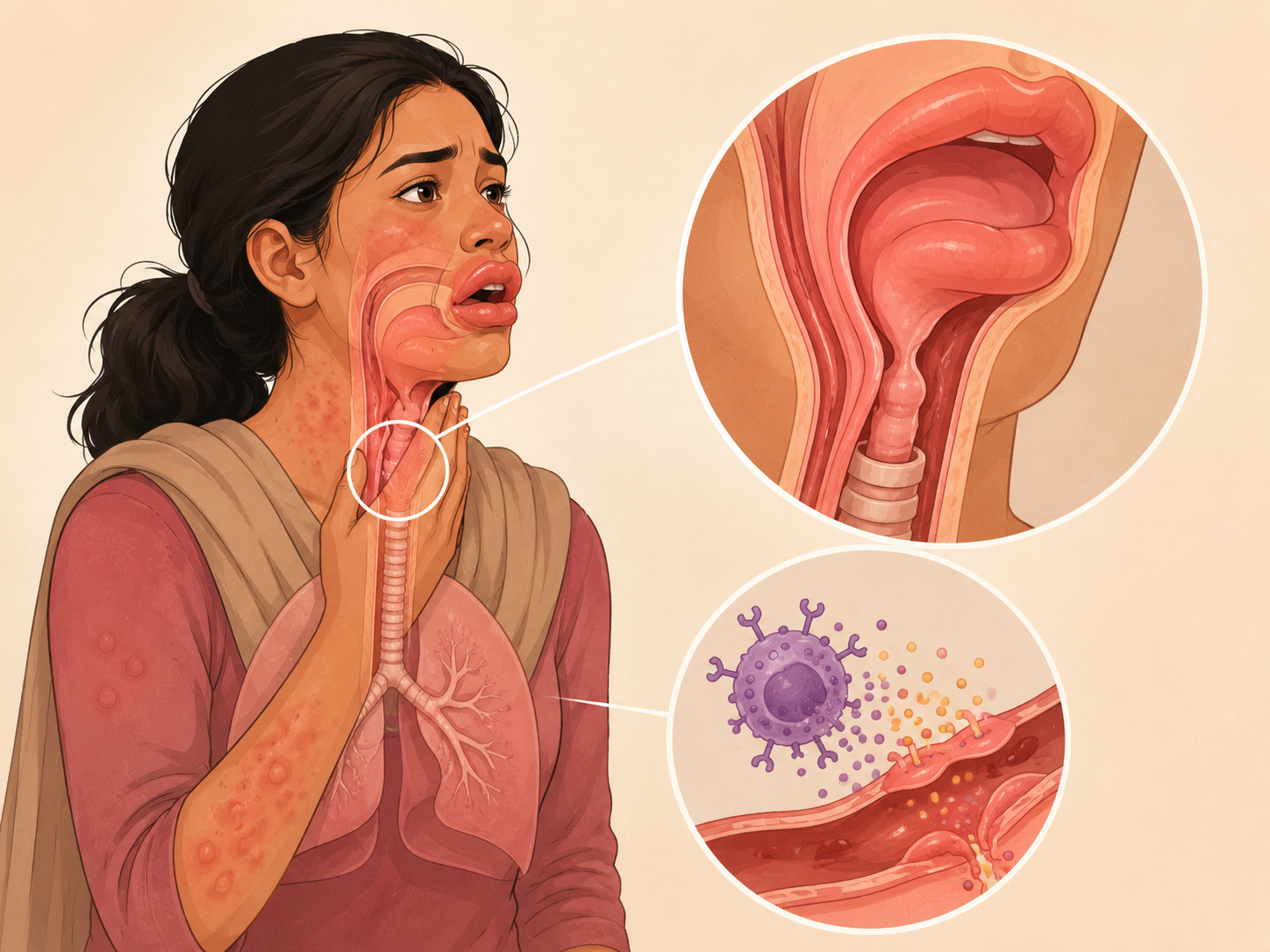
Anaphylaxis is a severe, life-threatening allergic reaction that happens very quickly. It can be caused by common triggers like certain foods, medicines, or insect stings. Recognizing the signs early and getting immediate medical help is crucial. If you suspect that you or someone nearby is having an anaphylactic reaction, seek emergency medical care right away.
Emergency warning signs
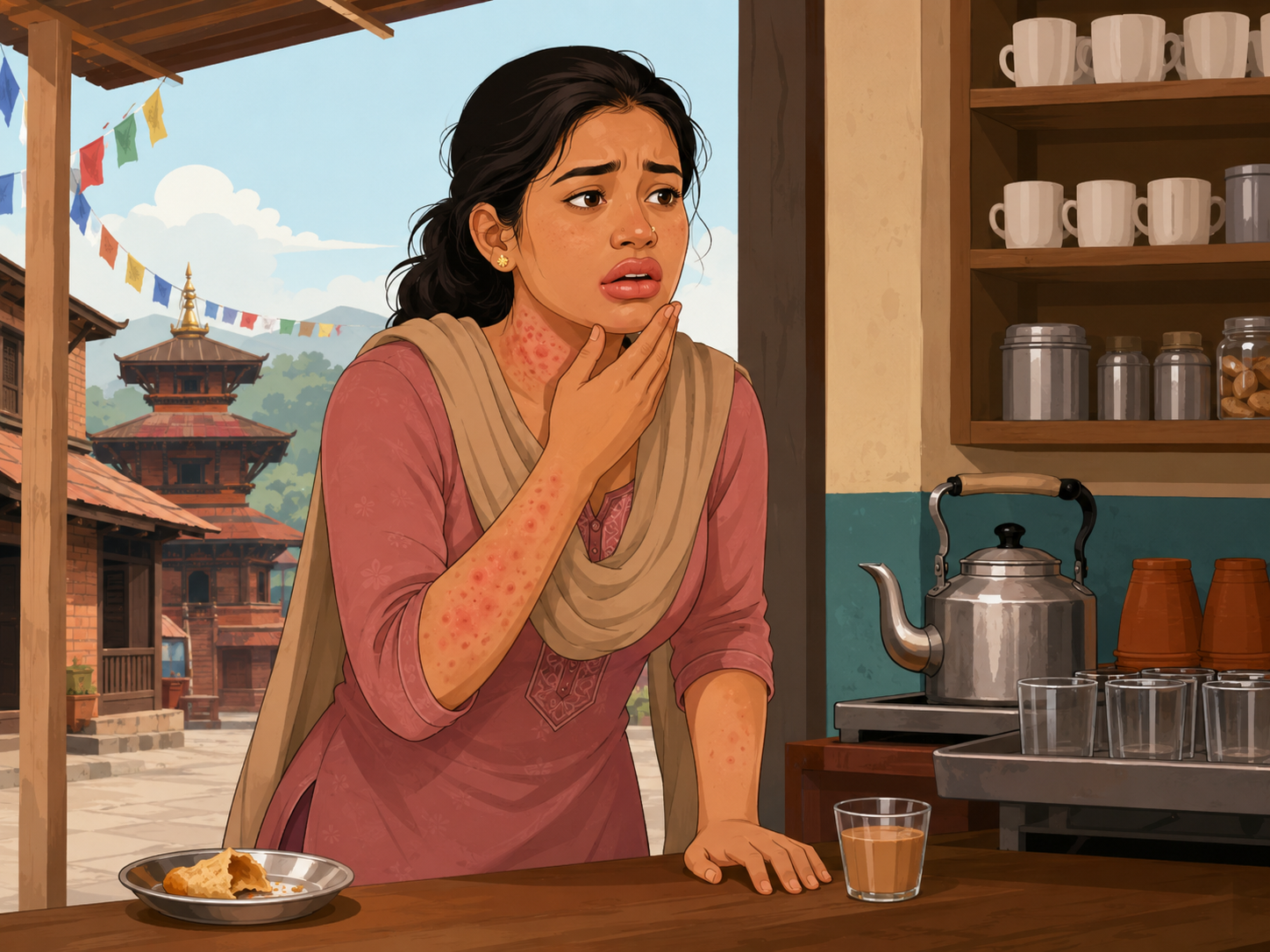
Anaphylaxis symptoms appear very fast. They often begin within minutes after you come into contact with something you are allergic to. Common triggers include certain foods, medicines, or insect stings.
Symptoms can include:
Swelling of your throat and tongue.
Trouble breathing, or breathing very quickly.
Difficulty swallowing, a feeling of tightness in your throat, or a hoarse voice.
Wheezing, coughing, or noisy breathing.
Feeling very tired or confused.
Feeling lightheaded, dizzy, or losing consciousness (fainting).
Skin that feels cold to the touch.
Your skin, lips, or tongue might look blue, grey, or very pale. If you have darker skin, these changes might be easier to see on the palms of your hands or the soles of your feet.
You might also see a rash that is swollen, raised, or itchy.
If you notice any of these signs, seek emergency medical help right away.
The lips, mouth, throat, or tongue suddenly swell.
Breathing becomes very fast or difficult. The person might make a whistling sound (wheezing). They might feel like they are choking or gasping for air.
The throat feels tight, or swallowing is hard.
Skin, tongue, or lips turn blue, grey, or pale. For people with darker skin, check the palms of their hands or soles of their feet for this change.
The person suddenly becomes confused, sleepy, or dizzy.
Someone faints and cannot be woken up.
A child becomes limp or floppy. They do not respond as they normally would. For example, their head might fall to the side. They might find it hard to lift their head or focus on your face.
The person who is unwell may also have a rash that is swollen, raised, or itchy.
These signs can mean a serious allergic reaction. The person needs immediate treatment in a hospital.
What this page cannot tell you
This page provides general information about anaphylaxis. It cannot:
Diagnose you or someone else with anaphylaxis.
Determine the specific cause or trigger for your individual allergic reactions.
Offer personalized medical advice, treatment plans, or tell you which specific medicines to use.
Replace the advice, diagnosis, or treatment from a qualified healthcare professional.
Why it matters
Anaphylaxis is extremely serious because it can rapidly become life-threatening. If not treated immediately, it can lead to severe breathing difficulties, a dangerous drop in blood pressure, and loss of consciousness. Recognizing these signs and seeking emergency medical help right away is crucial to prevent serious harm and ensure a safe outcome.
What you can do yourself
If you think you or someone nearby is having an anaphylactic reaction, follow these steps immediately:
1. Use an adrenaline auto-injector: If you have an auto-injector (like an EpiPen or similar device), use it right away. Follow the specific instructions printed on the device.
2. Get emergency help: Call for emergency medical assistance immediately. Clearly state that you suspect anaphylaxis.
3. Lie down carefully: Lie flat on your back. You can raise your legs slightly. If you have trouble breathing, try raising your shoulders or sitting up slowly. If you are pregnant, lie on your left side.
4. Remove insect sting: If an insect sting caused the reaction and it is still in the skin, gently remove it.
5. Use a second auto-injector: If your symptoms do not improve after 5 minutes, use a second adrenaline auto-injector.
Important: Do not stand or walk, even if you start to feel better. Keep lying down until medical help arrives.
You can take several steps to prevent anaphylactic reactions or be ready if one happens:
Things to do:
Avoid your triggers: Stay away from the food, medicine, or other things you are allergic to. For example, if you have a food allergy, always check food labels carefully. Tell restaurant staff about your allergy before you order.
Carry two auto-injectors: Always keep two adrenaline auto-injectors with you.
Check expiry dates: Regularly check the expiry dates on your auto-injectors. Get new ones before they expire.
Practice using it: Learn how to use your auto-injector correctly. You can use a trainer injector for practice (this is a device without a needle or medicine). Ask your doctor or pharmacist about how to get one.
Educate others: Teach your family, friends, colleagues, or caregivers how and when to use your auto-injector in an emergency.
Use it early: If you suspect you are having anaphylaxis, use your auto-injector even if your symptoms seem mild.
Wear medical alert jewelry: Wear a medical alert bracelet or necklace that explains your allergy. This helps others know how to assist you in an emergency.
When to see a doctor
For active anaphylactic reactions, always seek immediate emergency medical care (see 'Emergency Warning Signs' section). However, there are also important non-emergency situations when you should see a doctor:
After an anaphylactic reaction: Even if you received emergency treatment and are now stable, schedule a follow-up appointment. This helps identify triggers, understand your risks, and develop a plan to prevent future severe reactions.
If you suspect you've had a severe allergic reaction in the past: If you experienced symptoms that made you wonder if it was anaphylaxis but didn't seek emergency care at the time, consult a doctor to discuss your history and assess your current risk.
To discuss allergy testing and prevention: If you have known severe allergies or a family history of anaphylaxis, talk to your doctor about identifying specific triggers, getting an emergency action plan, and whether you should carry an adrenaline auto-injector.
What a doctor may check
When you see a doctor after a suspected anaphylactic reaction, they will work to understand what happened. They may:
Ask about your symptoms: They will gather details about what you experienced, when it started, how quickly it developed, and any immediate treatments you received.
Review your health history: This includes any known allergies, other medical conditions, and any family history of severe allergic reactions.
Discuss possible triggers: The doctor will ask about anything you might have been exposed to just before the reaction, such as certain foods, medicines, or insect stings.
Perform a physical examination: This helps them assess your current health and look for any remaining signs or effects.
Suggest allergy tests: To help pinpoint what caused your reaction, they might recommend specific tests:
Skin prick tests: Small, safe amounts of suspected allergens are placed on your skin to see if there is a reaction.
Blood tests: These can measure certain markers in your blood linked to allergies.
Nepal context
Nepal pathway: For non-urgent symptoms, see a doctor at a local clinic, health post, or hospital. If symptoms are severe, worsening, or you are worried, go to the nearest hospital emergency department. If available in your area, contact local ambulance or emergency transport.
Useful records to keep
To help your doctor understand your situation better, consider bringing the following information to your appointment:
Details of past reactions: A clear account of any suspected severe allergic reactions you've had, including when they happened, what symptoms you experienced, how long they lasted, and any immediate actions or treatments you received.
Known allergies: A list of any substances you know you are allergic to, such as specific foods, medicines, or insect stings.
Your current medicines: A complete list of all medications, supplements, and traditional remedies you are currently taking.
Your health history: Information about any other health conditions you have and if severe allergies run in your family.
Previous test results: Any results from past allergy tests or reports from hospital visits related to severe reactions.
Suspected triggers: Notes on anything you think might have caused a reaction, especially what you ate, drank, touched, or were exposed to just before it started.
Important notice
This information is for general health information only. It should not be used as a substitute for a doctor's advice, examination, diagnosis, treatment, or emergency services.
Help improve this guide
Spotted an error or want to contact us about this guide? Send a message to the HamroSwasthya team.