
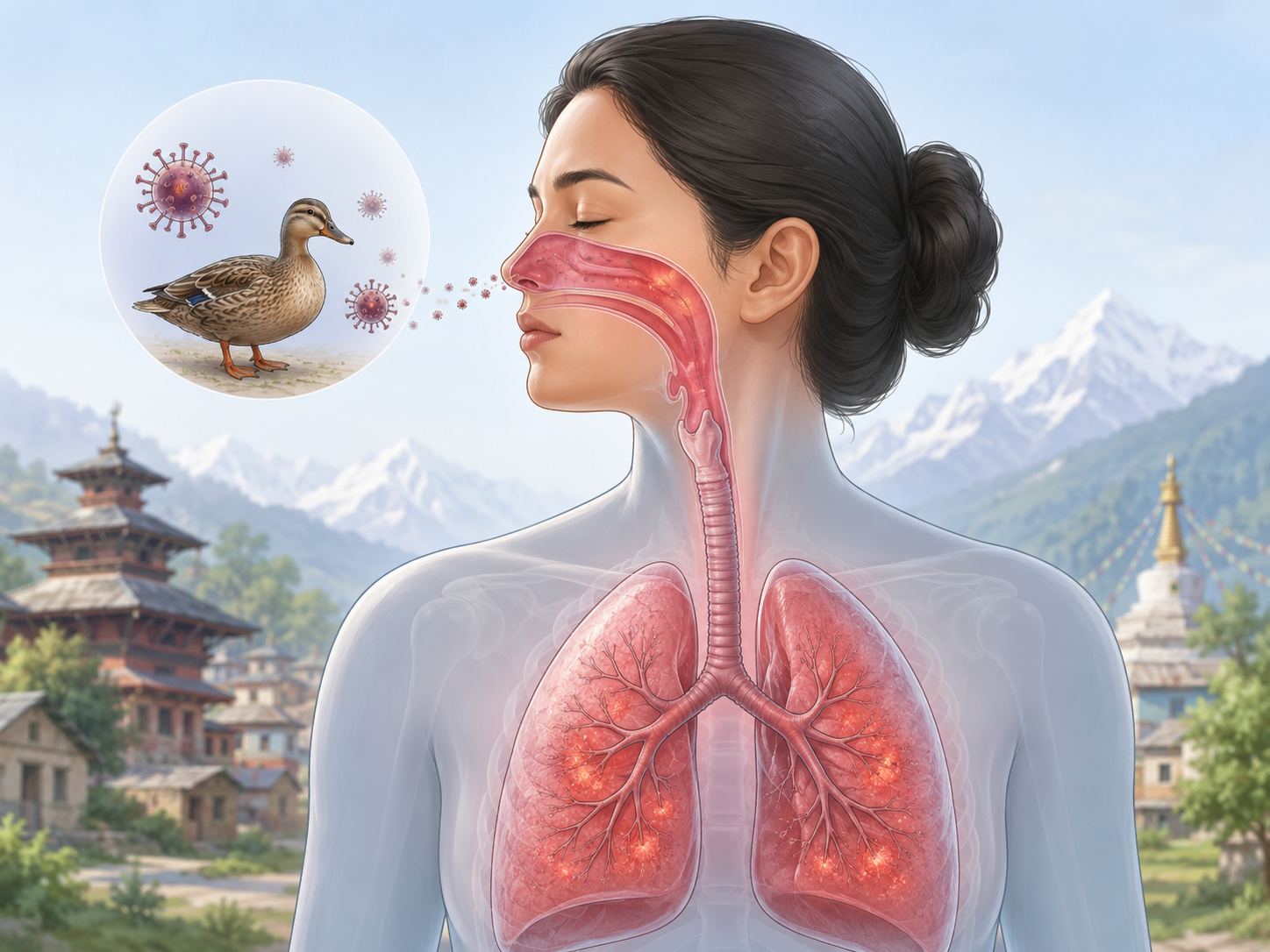
Bird flu (H5N1)
Bird flu (H5N1) is an infection caused by a strain of influenza virus that mainly affects birds. It can occasionally spread to people who have close contact with infected birds or their droppings, feathers, or saliva. Person-to-person spread is rare but possible. Symptoms can range from mild to severe and usually appear within a few days of exposure. Without prompt treatment, bird flu can become life-threatening. If you think you may have been exposed to an infected bird and feel unwell, seek medical advice as soon as possible.
Symptoms
Signs of bird flu in people typically appear within 4 to 6 days of coming into contact with an infected bird.
The illness can range from mild to serious. Common signs to watch for include:
fever, or feeling unusually hot, cold, or shivery
cough
sore or scratchy throat
runny or stuffy nose
wheezing and sneezing
red, irritated eyes (conjunctivitis)
Red flags
Reach out to a doctor, health worker, or local emergency service right away if you develop symptoms of bird flu and any of the following apply:
you have had close contact with a bird in an area where bird flu is known to be present
you have been in close contact with a person who has bird flu
You can contact your local emergency advice service by phone or through their online platform.
Go to the nearest emergency facility or call emergency services immediately if:
you are having serious trouble breathing - such as gasping, choking, or being unable to speak in full sentences
Self-care

Keeping yourself protected from bird flu comes down to good hand hygiene. Wash your hands thoroughly with soap and water after touching any birds or after coming into contact with surfaces that may have been contaminated with bird saliva or droppings.
If you are travelling to areas where bird flu has been reported, take care to avoid the following:
live animal markets and poultry farms
direct contact with bird droppings, feathers, or nests
handling or eating raw or undercooked eggs, duck, or poultry dishes
Treatment
If a doctor suspects you might have bird flu, a swab will be taken from your nose or throat and sent to a laboratory to be tested.
While waiting for your results, you will need to stay in isolation away from other people.
Bird flu is treated with antiviral medicines. If you become seriously ill and have difficulty breathing, medical equipment can be used to support your breathing.
Anyone who has been in close contact with you may also be tested and offered treatment as a precaution.
Questions to ask your doctor
Here are some helpful questions to ask your doctor if you think you may have bird flu:
About your diagnosis
Could my symptoms be caused by bird flu, given my recent contact with birds?
What tests will you do to find out if I have bird flu?
How long will it take to get my test results, and what should I do while I wait?
About your treatment
Do I need antiviral medicine, and how soon should I start taking it?
How long will I need to take the medicine, and are there any side effects I should know about?
Will I need to be treated in hospital, or can I recover at home?
About isolation and protecting others
How long do I need to stay away from other people?
Should the people I live with or have been in close contact with also be tested or treated?
What steps should my household take to avoid catching it from me?
About your recovery
What signs should I watch for that mean my condition is getting worse?
When should I come back to see you, or when should I go to the emergency department?
When will it be safe for me to return to my normal daily activities?
Nepal pathway
In Nepal, start with your nearest health post, PHC, clinic, or hospital if symptoms are worrying, severe, worsening, or not improving. Take previous prescriptions, test reports, allergy information, and current medicines with you. Seek urgent care immediately if there are red flag symptoms.
Disclaimer
This is general health information only and does not replace medical advice, diagnosis, treatment, or emergency care.
Help improve this guide
Spotted an error or want to contact us about this guide? Send a message to the HamroSwasthya team.