
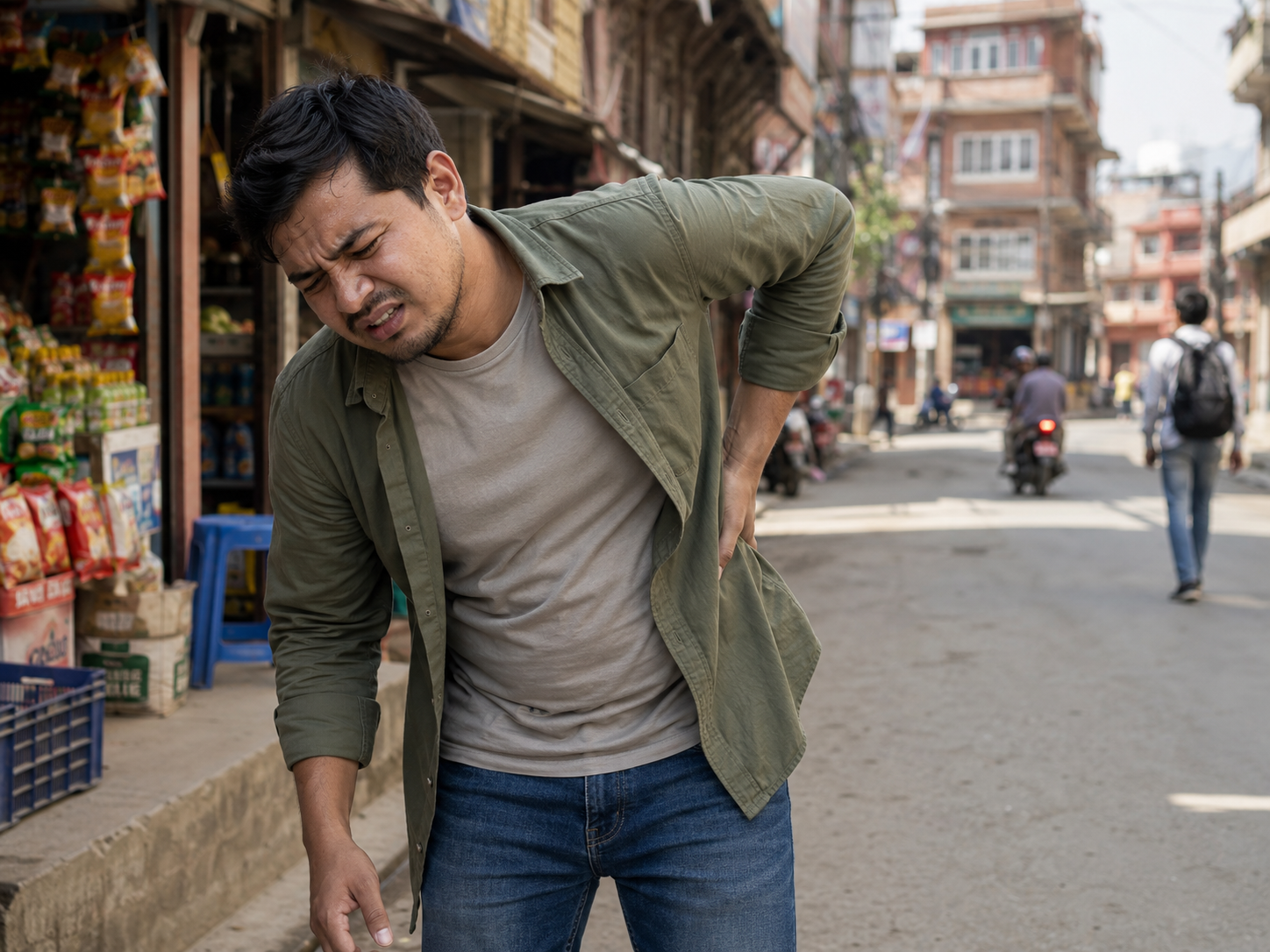
Kidney stones
Kidney stones can form in one or both kidneys and tend to occur most commonly in adults between the ages of 30 and 60. They are a fairly widespread condition, affecting a significant number of people. These stones are typically located within the kidneys themselves or inside the ureter, which is the narrow tube that carries urine from the kidneys down to the bladder. Kidney stones can cause severe pain, and if they are not treated, they may lead to kidney infections or cause the kidneys to stop functioning as they should.
Symptoms
Small kidney stones often go unnoticed and pass out of your body through urine without causing any problems.
Bigger kidney stones, however, can lead to a number of noticeable symptoms, such as:
pain in the side of your belly
intense pain that comes in waves
nausea or vomiting
Red flags
Seek urgent medical attention right away if you experience any of the following:
the pain becomes severe or unbearable
you develop a fever, or you feel unusually hot, cold, or shivery
you notice blood in your urine
Self-care
Most kidney stones are small enough to pass out of your body through urine, and you may be able to manage the discomfort at home with appropriate medication. Larger stones may require medical procedures to break them apart or remove them.
Many people who have had kidney stones once are likely to develop them again in the years that follow. Taking some simple daily steps can help lower this risk.
Staying well hydrated is one of the most important things you can do to prevent kidney stones from forming. Make sure you drink enough water throughout the day to avoid dehydration. A helpful sign to watch for is the colour of your urine - if it is pale and light yellow, you are likely drinking enough fluids. Dark urine is a warning sign that you need to drink more water, as concentrated urine makes it easier for waste products to clump together and form stones.
Treatment
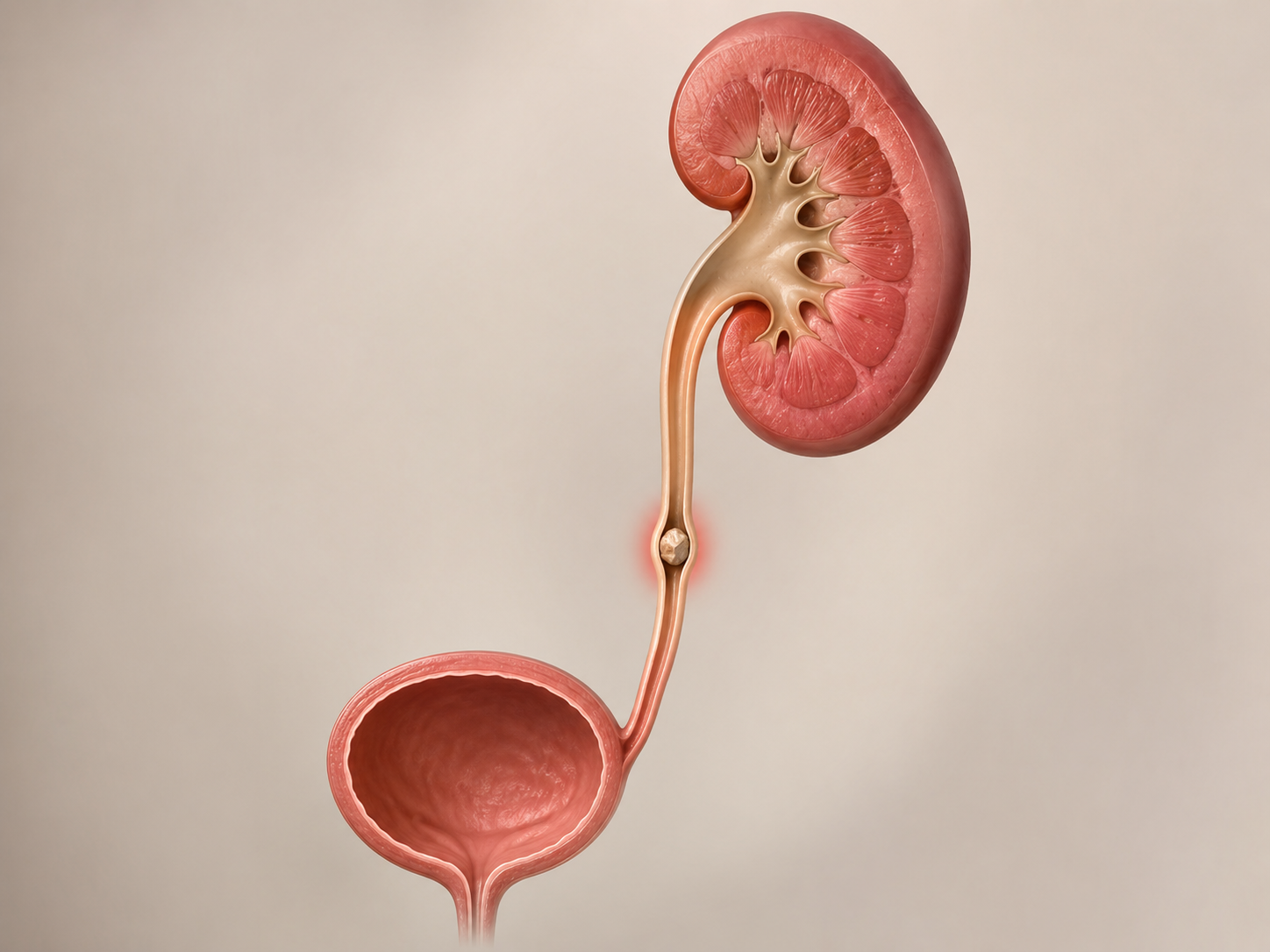
Treatment
Treatment for kidney stones depends on how big the stone is, where it is located, and how much discomfort it is causing.
Small stones
Most small kidney stones do not need medical treatment. They often pass out of the body on their own through urine. While waiting for this to happen, you can:
Drink plenty of water throughout the day to help flush the stone through
Take pain relief medication as advised by your doctor or pharmacist
Rest when needed
Your doctor may ask you to collect the passed stone so it can be tested to understand what type it is. This can help prevent future stones.
Larger stones
Stones that are too large to pass on their own, or that are causing significant pain, bleeding, or infection, will usually need medical treatment. A doctor will decide which option is most suitable for you. Common treatments include:
Shockwave therapy - a procedure that uses sound waves from outside the body to break the stone into smaller pieces that can then pass in urine
Ureteroscopy - a thin instrument is passed into the urinary tract to locate and remove or break up the stone
Surgery - used less often, but may be needed for very large or complex stones
Medication
In some cases, your doctor may prescribe medication to help the stone pass more easily, reduce pain, or treat any infection that has developed.
Always follow the advice of your doctor about which treatment is right for your situation.
Questions to ask your doctor
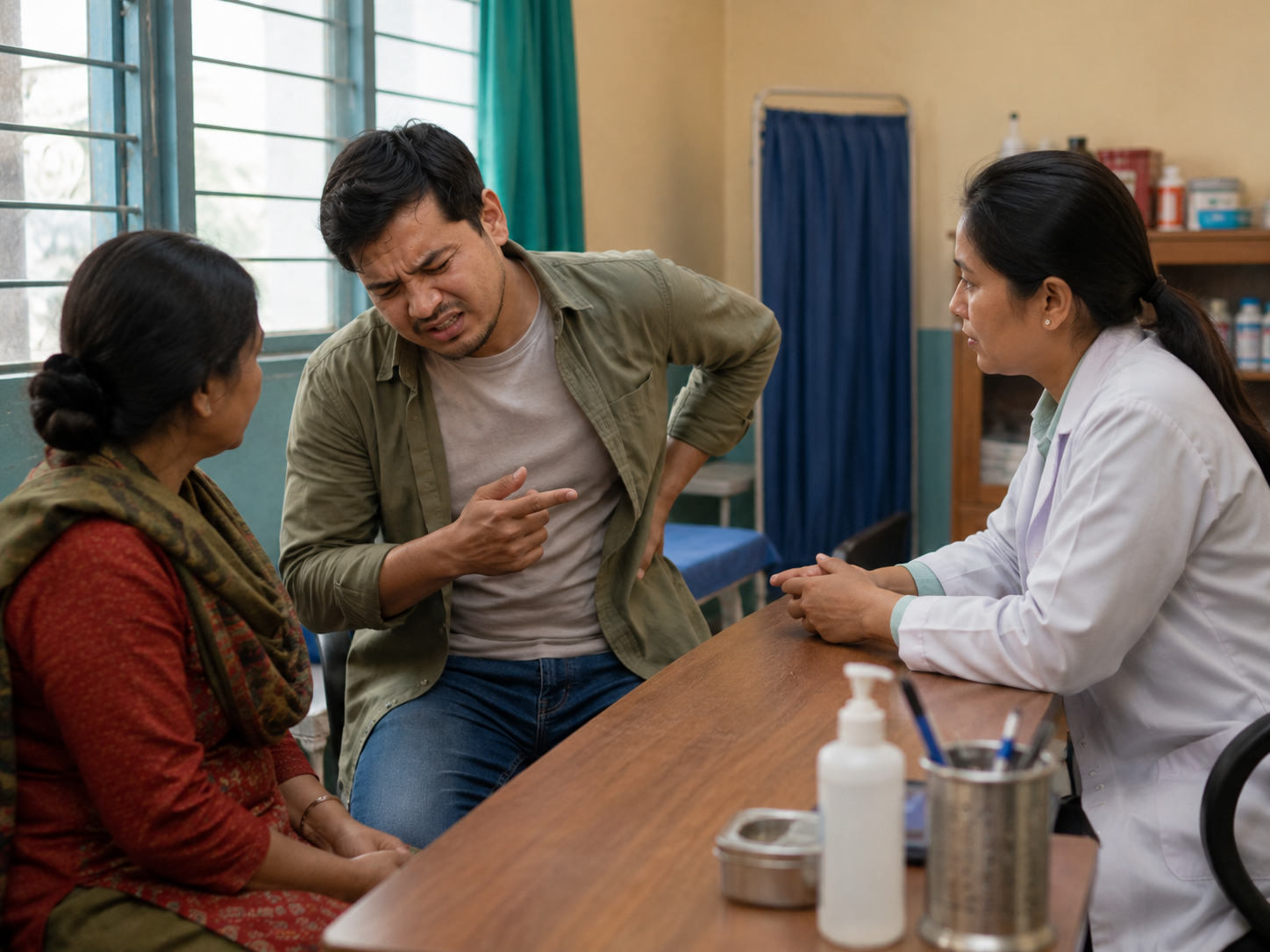
Questions to ask your doctor during a consultation
Getting the most out of your appointment can help you understand your condition and feel more confident about next steps. Here are some helpful questions to consider asking your doctor:
How big is my stone, and is it likely to pass on its own?
How long might it take to pass?
What pain relief options are suitable for me?
When should I be worried, and when should I come back or go to the hospital?
Do I need any tests, such as a urine test, blood test, or scan?
What type of stone do I have, and what caused it?
Am I at risk of getting kidney stones again?
Are there any foods or drinks I should avoid to reduce my risk?
How much water should I be drinking each day?
Do I need any treatment, or is it safe to wait and see?
If I do need treatment, what are my options and what do they involve?
Are there any medicines that could help in my situation?
Do I need a follow-up appointment, and if so, when?
Writing down your answers during the consultation can help you remember the advice your doctor gives you.
Nepal pathway
In Nepal, start with your nearest health post, PHC, clinic, or hospital if symptoms are worrying, severe, worsening, or not improving. Take previous prescriptions, test reports, allergy information, and current medicines with you. Seek urgent care immediately if there are red flag symptoms.
Disclaimer
This is general health information only and does not replace medical advice, diagnosis, treatment, or emergency care.
Help improve this guide
Spotted an error or want to contact us about this guide? Send a message to the HamroSwasthya team.