
Malaria
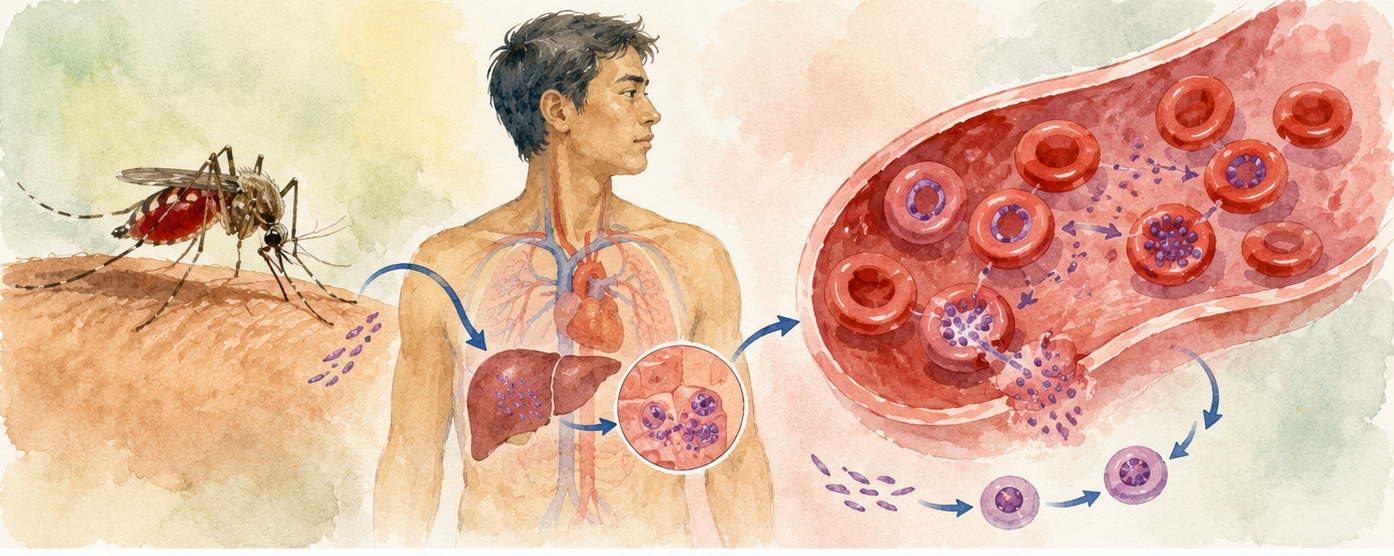
Malaria is a serious disease that can make a person very ill. It is caused by tiny parasites that spread to humans through the bite of an infected mosquito. Even one bite from an infected mosquito can pass these parasites into the body and cause the disease. Malaria can affect anyone who is bitten by an infected mosquito, and without proper treatment it can become life-threatening. Knowing the symptoms, how it spreads, and how to protect yourself are important steps toward staying safe.
Symptoms
Malaria spreads through the bite of a mosquito that carries the malaria parasite. A single bite is enough to cause infection.
This disease is found in many warm and humid regions of the world. These include large parts of Africa, Asia, Central and South America, some Caribbean and Pacific islands, and parts of the Middle East.
In most cases, malaria does not pass directly from one person to another. However, a pregnant woman can sometimes pass the infection to her unborn baby. Malaria can also spread through shared or reused needles, for example if a used needle accidentally pierces the skin.
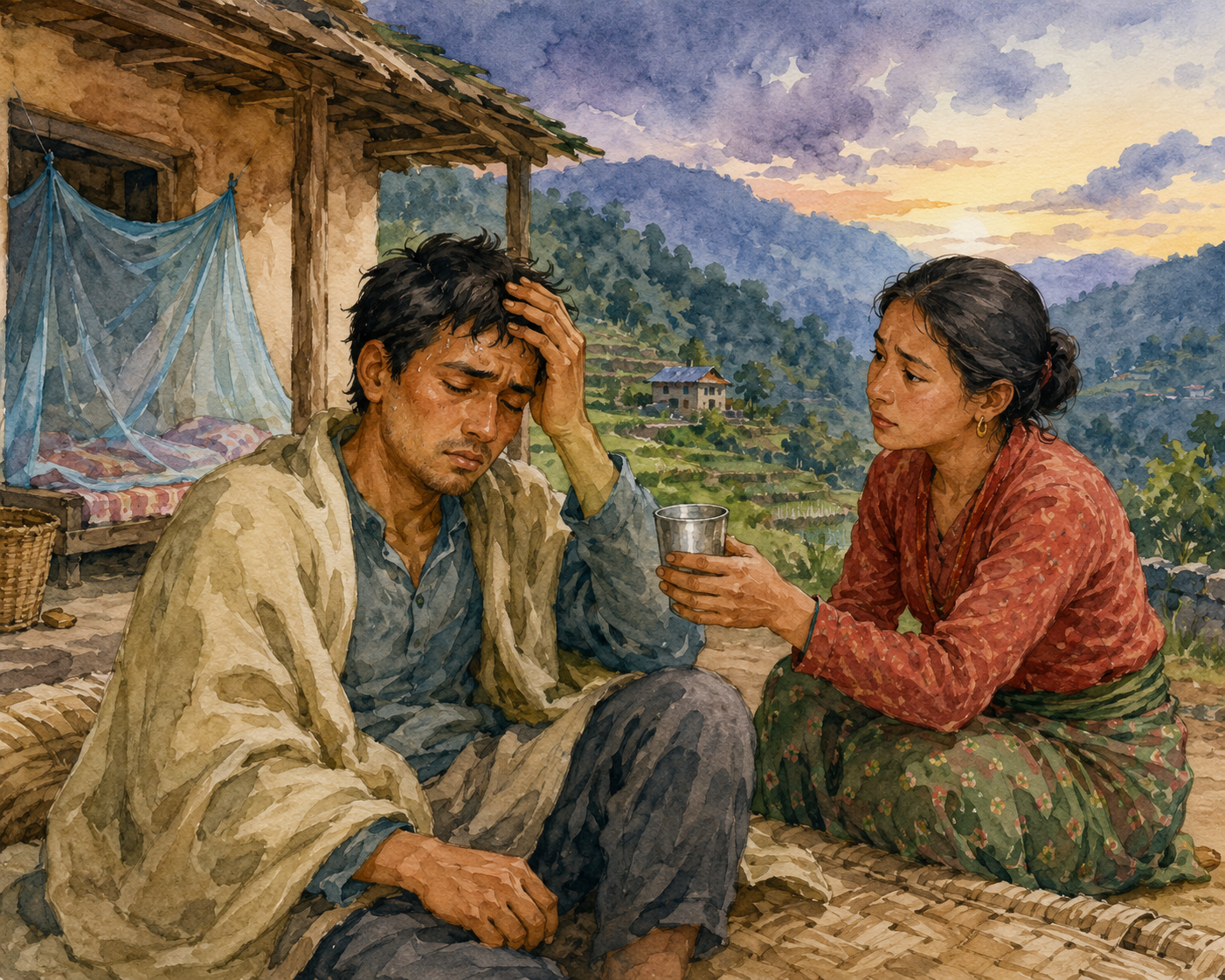
Malaria symptoms can be hard to recognize at first. Common symptoms include:
High fever with chills or shivering
Heavy sweating
Headache or confusion
Extreme tiredness or unusual sleepiness, particularly in children
Nausea, vomiting, stomach pain, or diarrhoea
Loss of appetite
Muscle aches and pains
Yellowing of the eyes or skin, known as jaundice - this may be less easy to see on darker skin
Sore throat, cough, or difficulty breathing
Symptoms usually begin 7 to 18 days after an infected mosquito bites you. In some cases, symptoms appear much later, sometimes months or even years after the bite.
Red flags
Go to a health facility or emergency room immediately if you or someone else has any of the following warning signs:
High fever with shaking chills that is severe or does not come down
Confusion, disorientation, or unusual behaviour - the person seems not to know where they are or who they are
Fits or seizures - uncontrolled shaking or loss of consciousness
Extreme difficulty breathing or very fast, laboured breathing
Yellowing of the skin or eyes (jaundice)
Very little or no urine being passed, which may signal kidney problems
Vomiting that will not stop, making it impossible to keep fluids down
Severe weakness - the person cannot stand, walk, or stay awake
Unconsciousness or difficulty waking up
Signs of severe anaemia, such as extreme paleness, especially in young children
Blood in the urine, which may appear dark brown or black
These signs may mean that malaria has become severe and is affecting the brain, kidneys, or other vital organs. This is a medical emergency. Do not wait and do not try to manage these symptoms at home. Get to a health facility as quickly as possible.
Self-care
Malaria is a serious disease that needs prompt medical attention. If you think you might have malaria, go to a health facility right away. This is especially true if you have recently travelled to or lived in an area where malaria is common. Do not wait for symptoms to get worse. Contact a doctor or health worker as soon as possible. Never attempt to treat malaria by yourself at home.
While you are waiting to receive medical care, rest as much as possible. Drink enough fluids, such as clean water, to stay hydrated. Once you see a doctor, follow all instructions carefully. Take every dose of the medicine that is prescribed to you, and finish the full course, even if you begin to feel better before it ends.
Treatment
Treatment
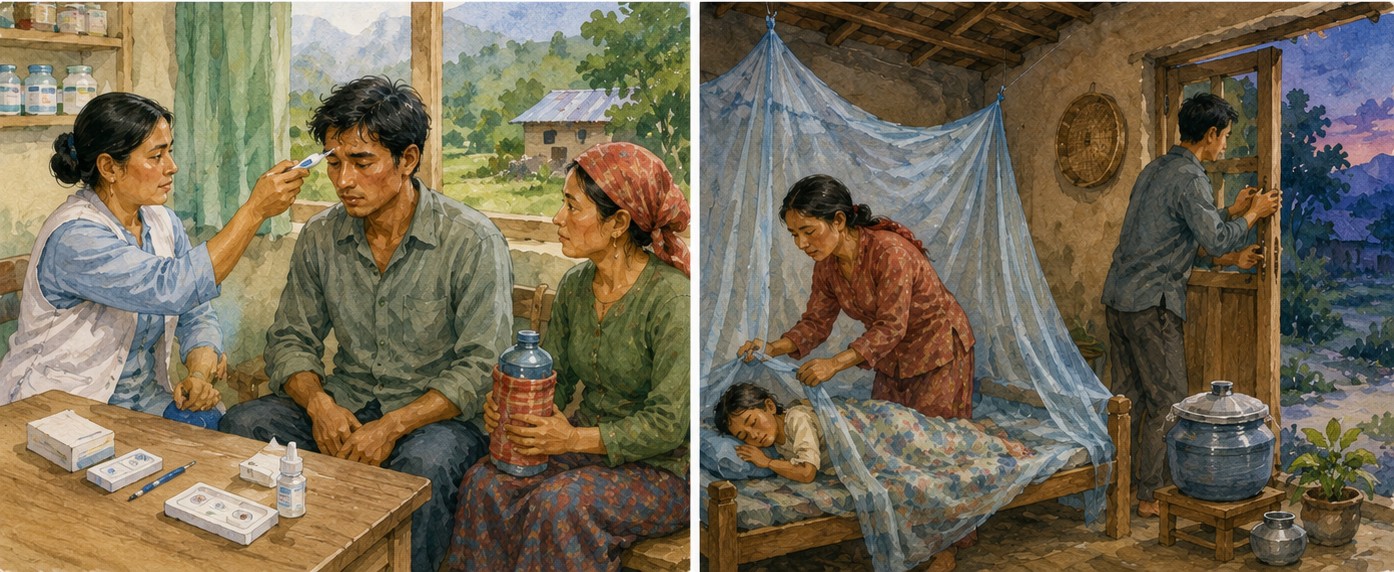
Malaria is treated with prescription medicines that kill the parasites causing the infection. These medicines are only available through a doctor or health facility, so it is important to seek care as soon as possible rather than waiting at home.
Getting a diagnosis first
Before treatment begins, a doctor or health worker will usually do a blood test to confirm that malaria is the cause of your symptoms and to identify which type of parasite is responsible. This matters because different types of malaria parasite may need different medicines.
Antimalarial medicines
Once malaria is confirmed, a doctor will prescribe an appropriate course of antimalarial medicine. It is essential to:
Start treatment as quickly as possible
Take every dose at the right time
Complete the full course of medicine, even if you feel better before it ends
Stopping treatment early can allow parasites to survive in the body, which can cause the illness to return and may make future treatment harder.
Hospital care
If malaria is severe, or if a young child, pregnant woman, or person with a weakened immune system is affected, treatment in a hospital may be needed. In these cases, medicine may be given directly into a vein, and medical staff will monitor the patient closely.
Supportive care
Alongside antimalarial medicine, doctors may also treat related problems such as high fever, dehydration, or anaemia as part of recovery.
Follow-up
After completing treatment, follow any advice given by your doctor. Some types of malaria parasite can remain dormant in the liver and cause the illness to come back weeks or months later. If symptoms return, seek medical attention promptly.
Questions to ask your doctor
Which tests will the doctor use to check whether I have malaria?
Which medicine will I be given, and for how many days will I need to take it?
What side effects can the medicine cause?
Which warning signs mean my illness is getting worse and I need urgent care?
How soon should I start to feel better after treatment begins?
Is it possible for malaria to return even after I have been treated?
How can I protect myself from getting malaria again in the future?
Nepal pathway
In Nepal, start with your nearest health post, PHC, clinic, or hospital if symptoms are worrying, severe, worsening, or not improving. Take previous prescriptions, test reports, allergy information, and current medicines with you. Seek urgent care immediately if there are red flag symptoms.
Disclaimer
This is general health information only and does not replace medical advice, diagnosis, treatment, or emergency care.
Help improve this guide
Spotted an error or want to contact us about this guide? Send a message to the HamroSwasthya team.