
Measles
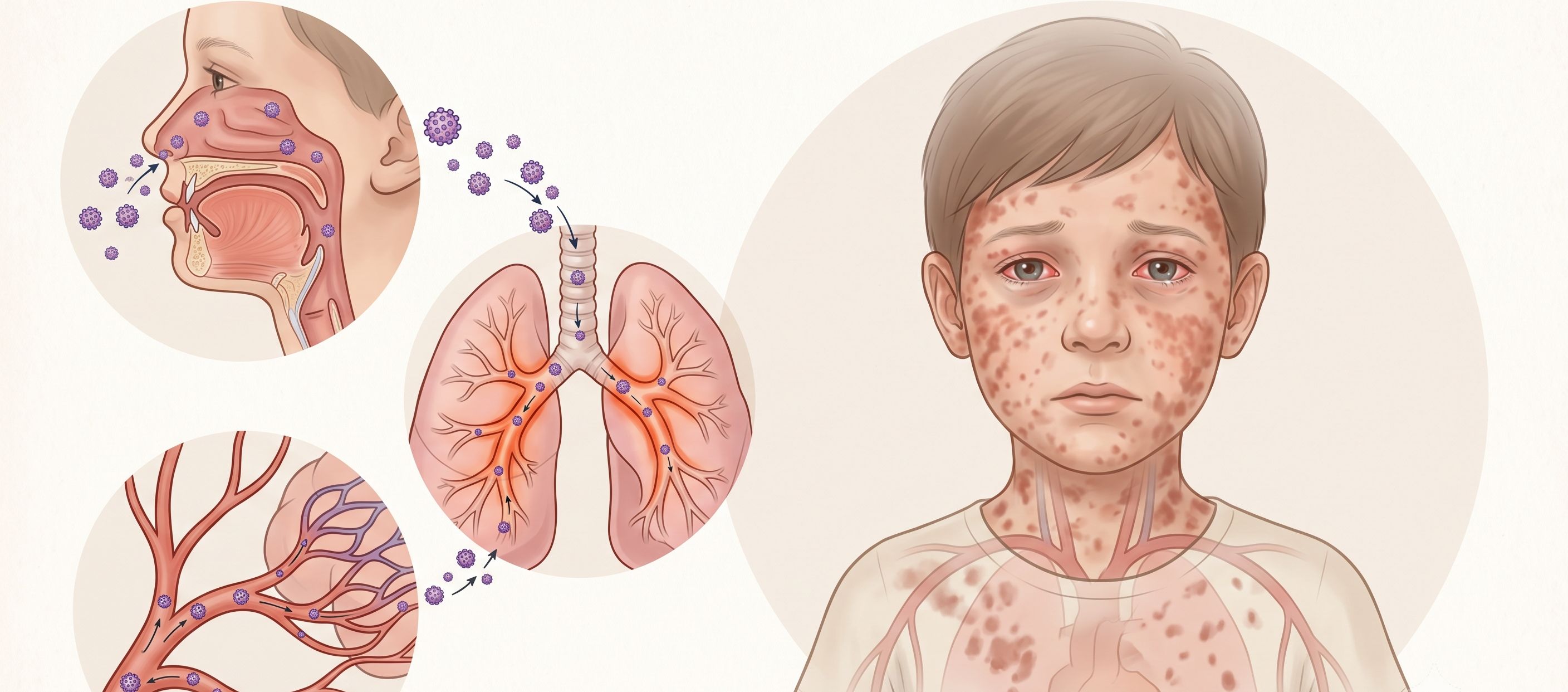
Measles is a highly contagious viral infection. It spreads through tiny droplets when an infected person coughs or sneezes. It can spread easily to people who are not immune, especially those who have not had measles vaccination.
Measles usually starts with fever and cold-like symptoms, followed by a rash. Most people recover, but measles can cause serious complications such as pneumonia, ear infection, diarrhoea, dehydration, seizures, brain inflammation, and sometimes death. Babies, pregnant people, and people with weakened immune systems are at higher risk.
Symptoms
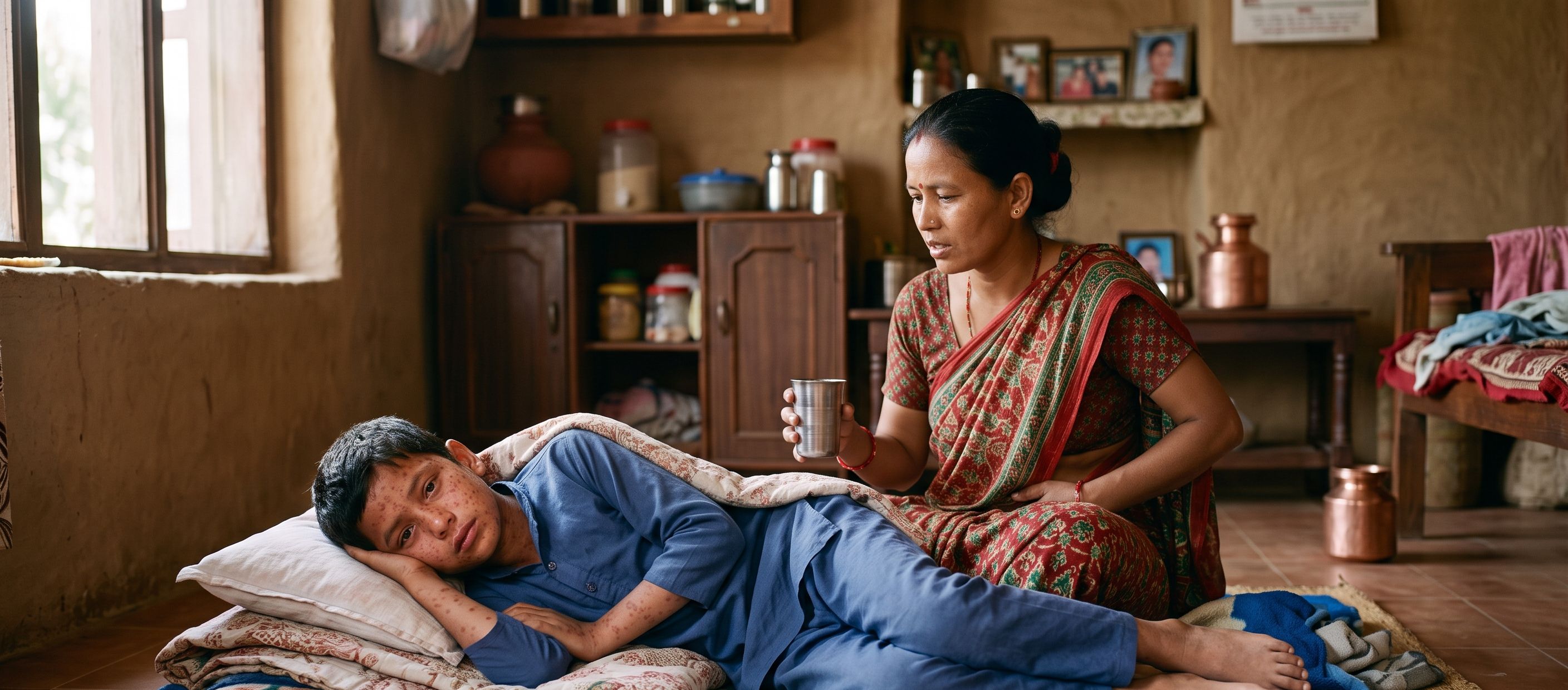
Symptoms usually start about 7 to 14 days after exposure. They may include:
Cough
Runny or blocked nose
Red, sore, watery eyes
Sensitivity to light
Tiredness and feeling very unwell
Small white spots inside the mouth, sometimes called Koplik spots
A blotchy rash that usually starts on the face or behind the ears, then spreads to the body
The rash may be harder to see on darker skin. A child may still look very unwell even if the rash is not obvious.
Red flags
Seek urgent medical advice or go to the nearest hospital if you or your child has:
Difficulty breathing, fast breathing, chest pain, or blue lips
Severe drowsiness, confusion, seizure, or difficulty waking
Severe headache, stiff neck, repeated vomiting, or sensitivity to light
Signs of dehydration, such as very little urine, dry mouth, no tears, or extreme sleepiness
Fever that is very high, persistent, or returns after improving
Ear pain, pus from the ear, or severe throat pain
Rash with severe illness, bleeding spots, or rapidly worsening symptoms
Measles symptoms in a baby, pregnant person, or person with a weakened immune system
Call Ambulance Nepal on 102 where available if symptoms are severe or the person is seriously unwell.
Self-care
If measles is suspected, wear a mask when going to a health facility, reduce close contact with other people where possible, and avoid waiting in crowded areas for long periods. This helps reduce the risk of spreading measles to others.
Rest and drink enough fluids.
Use paracetamol or ibuprofen for fever or discomfort if suitable. Follow the packet instructions or ask a pharmacist.
Do not give aspirin to children under 16 years old.
Keep the room comfortable and avoid bright light if the eyes are sore.
Gently clean crusting around the eyes with clean water and cotton wool or clean cloth.
Keep the person away from school, work, public places, and vulnerable people while infectious.
Avoid close contact with babies, pregnant people, and people with weakened immune systems.
Do not use antibiotics unless prescribed. Antibiotics do not treat measles itself because measles is caused by a virus.
Treatment
There is no specific medicine that cures measles. Treatment usually focuses on rest, fluids, fever control, and watching for complications.
A doctor may assess for complications such as ear infection, pneumonia, diarrhoea, dehydration, or eye problems. Antibiotics may be needed only if a bacterial complication develops.
People at higher risk, including babies, pregnant people, and people with weakened immune systems, need urgent medical advice after possible exposure or symptoms. Some vulnerable contacts may need post-exposure treatment, which should be arranged by a qualified health professional.
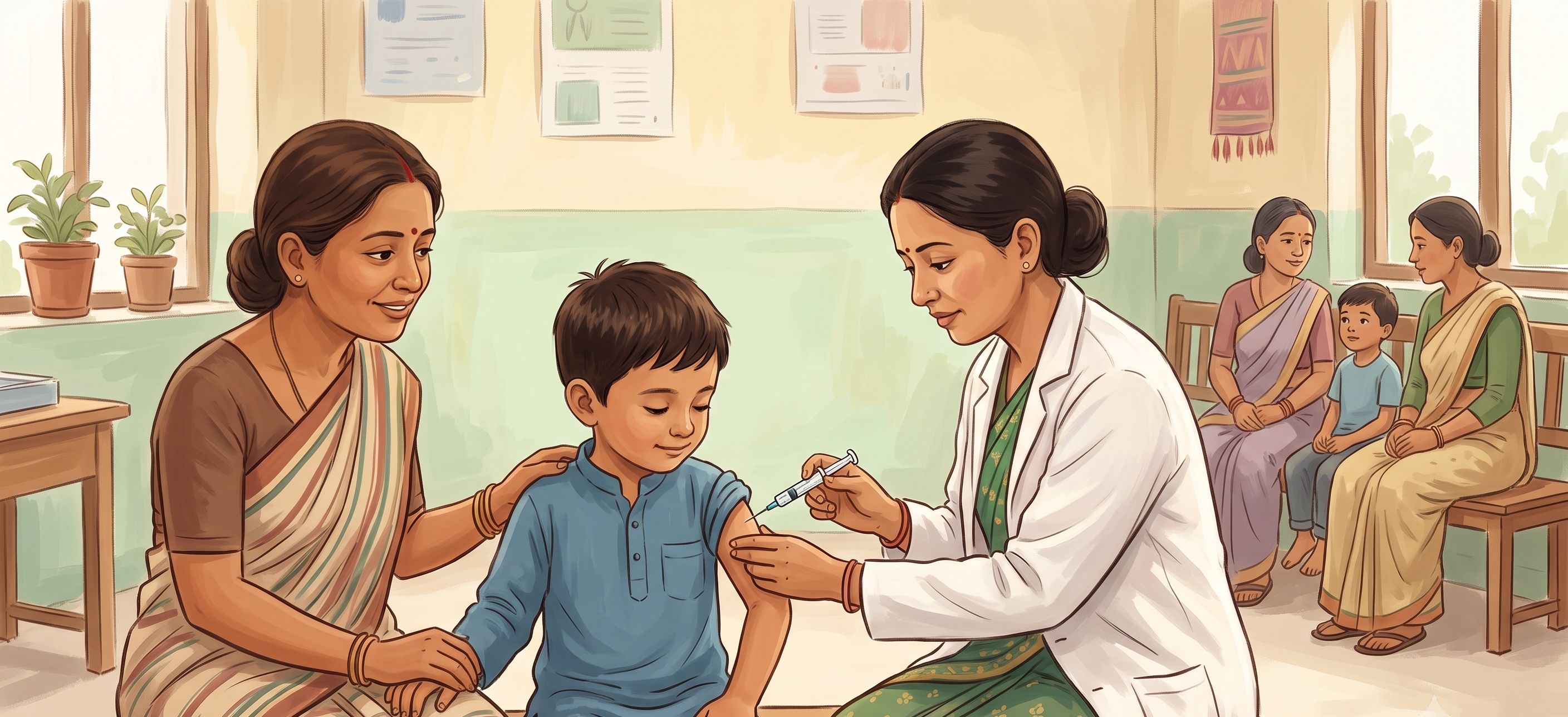
Measles is preventable by vaccination. In Nepal, measles-rubella vaccine is part of the national immunisation schedule, with doses listed at 9 months and 15 months. Ask a health worker about catch-up vaccination if a child has missed a dose.
Questions to ask your doctor
Could this be measles, or another rash illness?
Do we need testing or public health notification?
How long should my child stay away from school or other people?
Are any household members at higher risk?
Does anyone need post-exposure treatment or catch-up vaccination?
What can be used safely for fever, cough, or eye discomfort?
What signs suggest pneumonia, dehydration, ear infection, or another complication?
I am pregnant or immunocompromised and was exposed - what should I do now?
Which symptoms mean we should go to hospital urgently?
Nepal pathway
In Nepal, start with your nearest health post, PHC, clinic, or hospital if symptoms are worrying, severe, worsening, or not improving. Take previous prescriptions, test reports, allergy information, and current medicines with you. Seek urgent care immediately if there are red flag symptoms.
Disclaimer
This is general health information only and does not replace medical advice, diagnosis, treatment, or emergency care.
Help improve this guide
Spotted an error or want to contact us about this guide? Send a message to the HamroSwasthya team.