
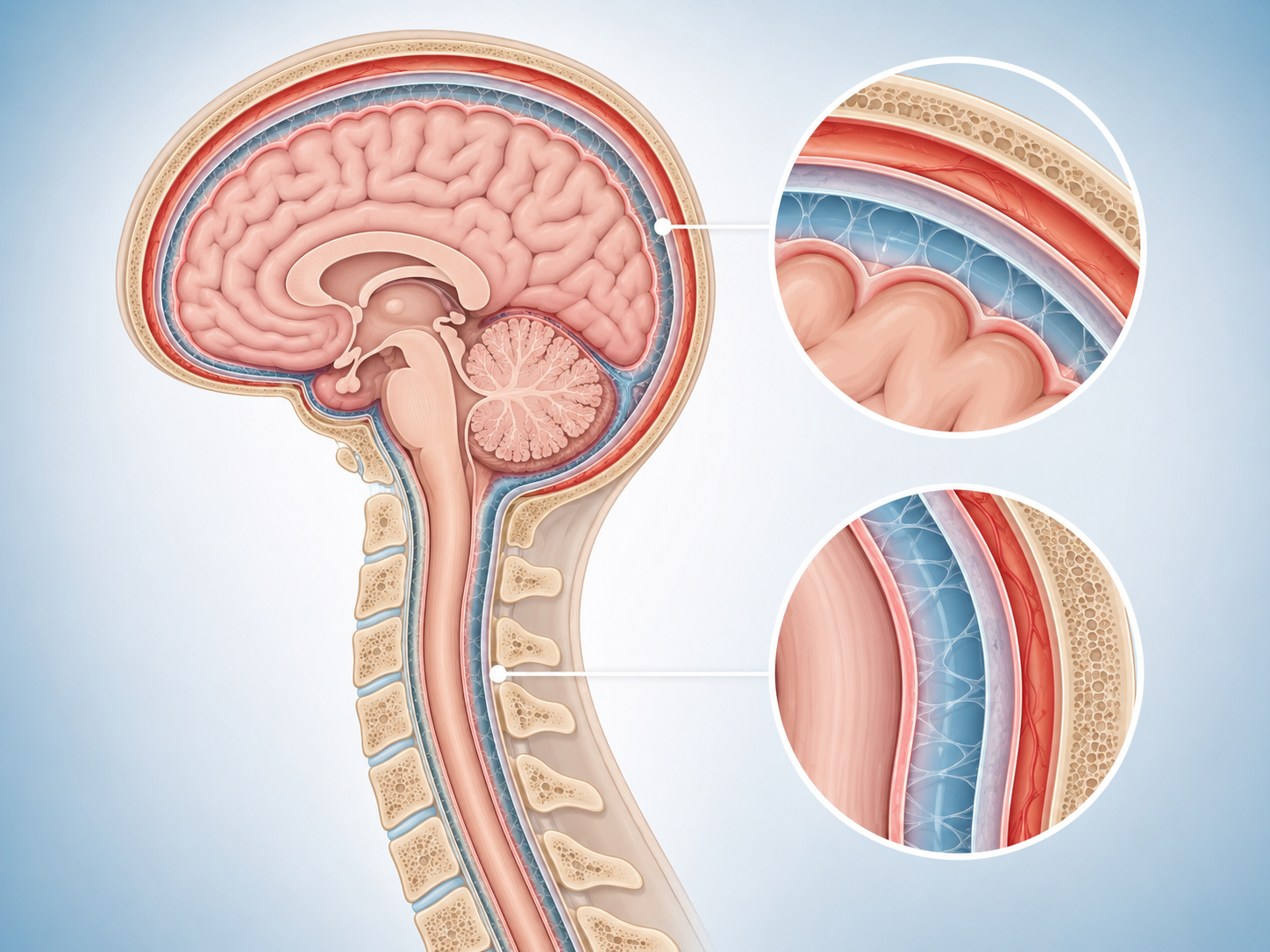
Meningitis
Meningitis is an infection of the protective layers, called meninges, that enclose the brain and spinal cord. While anyone can develop this condition, it is most common among babies, young children, teenagers, and young adults. Meningitis can become very serious quickly if not treated right away. It has the potential to cause life-threatening blood poisoning (sepsis) and may result in permanent damage to the brain or nervous system.
Red flags
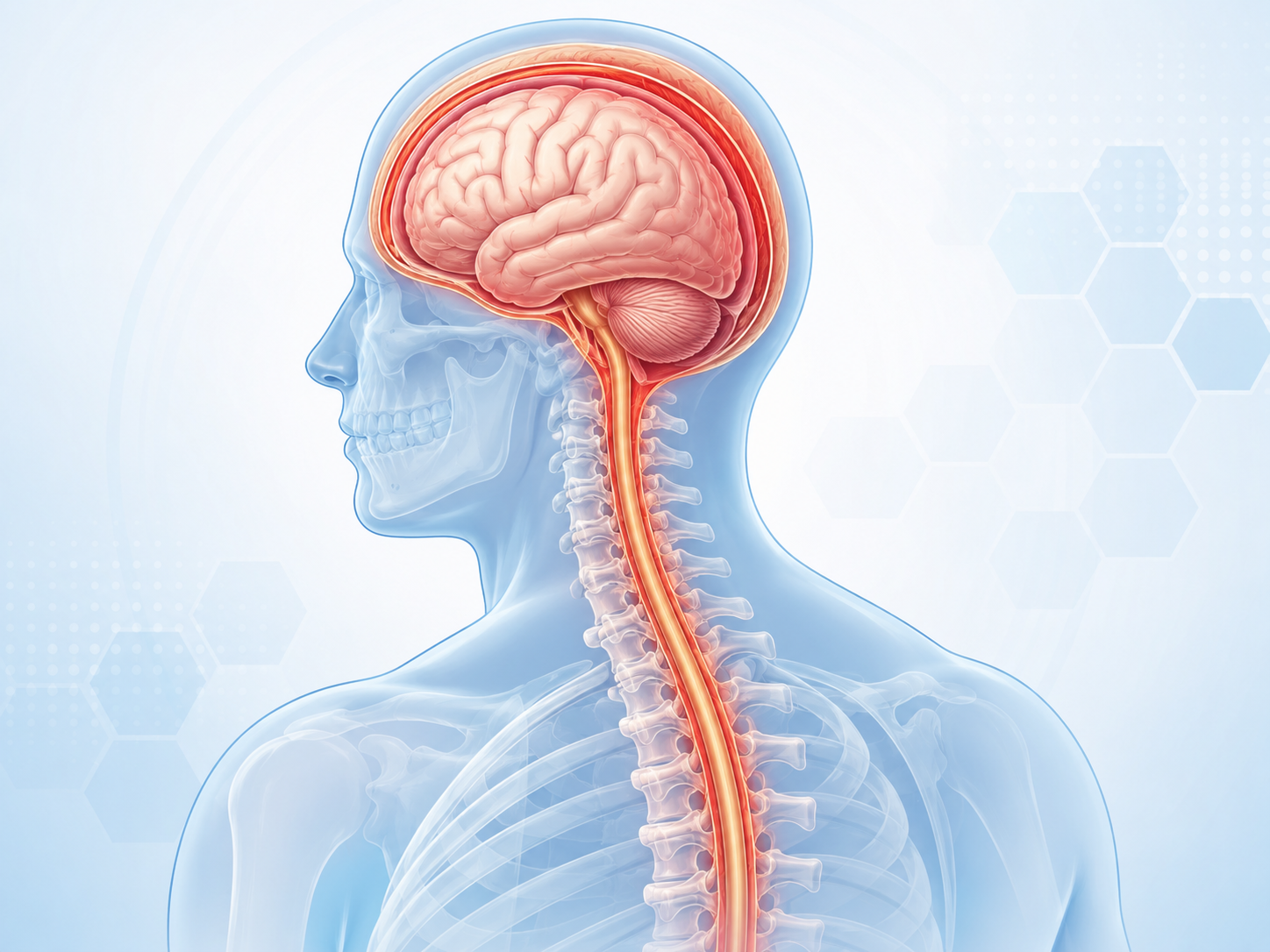
Emergency Warning Signs: When to Seek Immediate Help
Meningitis can become severe and life-threatening very quickly. If you notice any of these signs, especially if they appear suddenly, it is critical to seek urgent medical attention right away:
A rash that does not fade or disappear when a glass is pressed firmly against it (be aware that a rash may not always be present with meningitis).
A stiff neck.
Discomfort or pain when exposed to bright lights.
Unusual drowsiness, confusion, or extreme difficulty waking someone up.
Seizures (also known as fits or convulsions).
Symptoms
Meningitis symptoms often appear quickly and may include:
A sudden high fever.
Vomiting or feeling very nauseous.
A severe headache.
A skin rash that does not fade when pressed firmly with a glass. Importantly, a rash does not always appear in all cases of meningitis.
A stiff neck.
Sensitivity to bright lights (photophobia).
Feeling unusually sleepy, drowsy, or difficult to wake up.
Seizures or convulsions.
Self-care
Self-care while recovering
If your doctor confirms you have viral meningitis and advises home care, focusing on your comfort and recovery is important.
Rest: Get plenty of rest to help your body recover.
Pain and sickness relief: Over-the-counter pain relievers can help with headaches and body aches. If you feel sick, medication prescribed by your doctor can help.
Stay hydrated: Drink plenty of fluids like water to prevent dehydration, especially if you have a fever or are vomiting.
Monitor symptoms: Pay close attention to your symptoms. If they get worse or you develop any new concerning signs, seek medical help immediately as advised in the 'Red flags' section.
Treatment
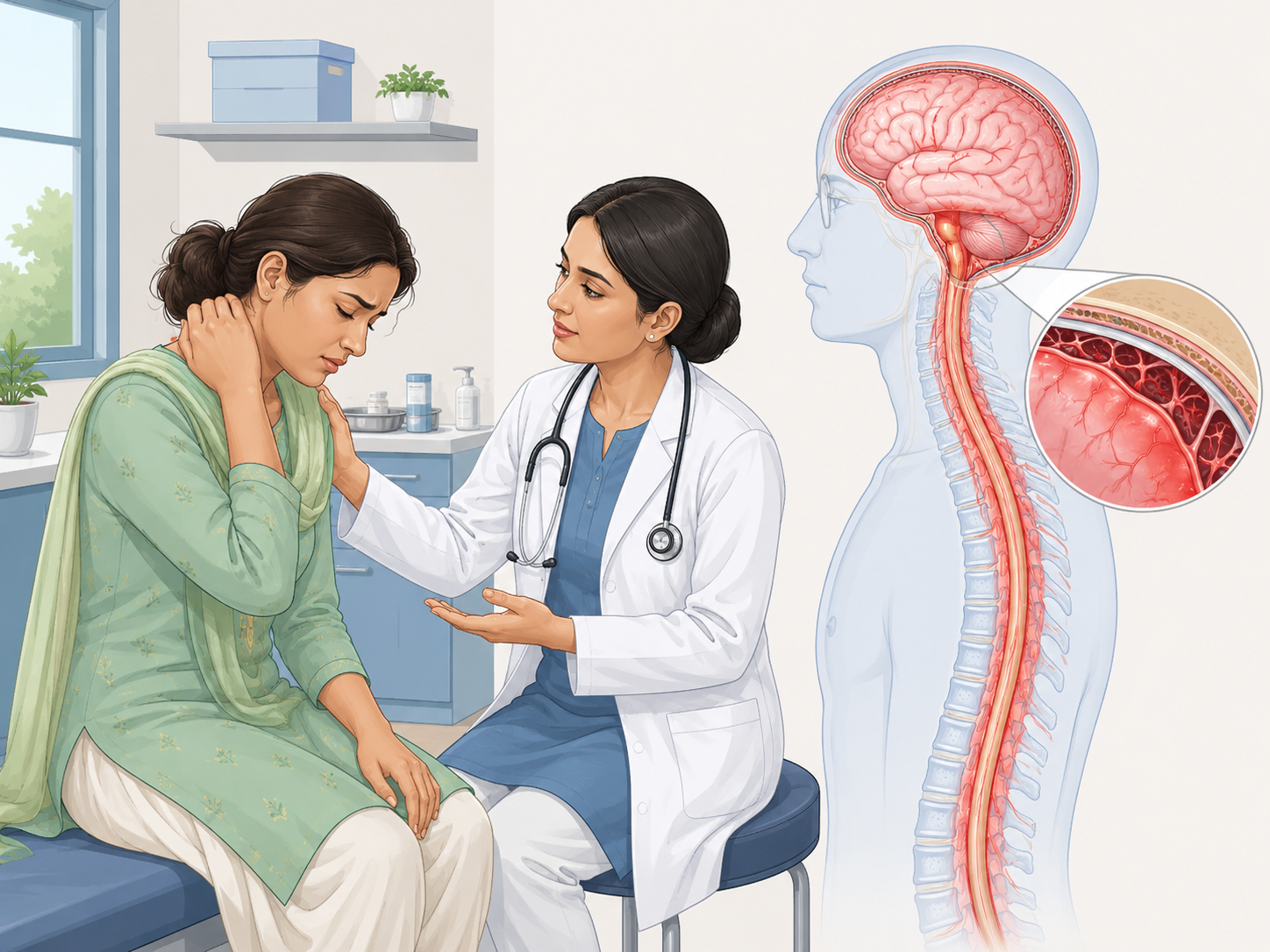
Treatments for meningitis
People with suspected meningitis will usually have tests in hospital to confirm the diagnosis and check whether the condition is the result of a viral or bacterial infection.
Bacterial meningitis usually needs to be treated in hospital for at least a week.
Treatments include:
antibiotics given directly into a vein
fluids given directly into a vein
oxygen through a face mask
Viral meningitis tends to get better on its own within 7 to 10 days and can often be treated at home.
Getting plenty of rest and taking painkillers and anti-sickness medication can help relieve the symptoms in the meantime.
Questions to ask your doctor
- What type of meningitis do I have (bacterial or viral)?
- How serious is my condition?
- What is the best treatment plan for me?
- What medications will I be taking, and how should I take them?
- How long do you expect my recovery to take?
- Are there any possible long-term effects I should be aware of?
- What can I do at home to help with my recovery?
- What symptoms should I watch out for that mean I need urgent medical help again?
- Is meningitis contagious, and how can I prevent spreading it to others?
Nepal pathway
In Nepal, start with your nearest health post, PHC, clinic, or hospital if symptoms are worrying, severe, worsening, or not improving. Take previous prescriptions, test reports, allergy information, and current medicines with you. Seek urgent care immediately if there are red flag symptoms.
Disclaimer
This is general health information only and does not replace medical advice, diagnosis, treatment, or emergency care.
Help improve this guide
Spotted an error or want to contact us about this guide? Send a message to the HamroSwasthya team.