
Piles (haemorrhoids)
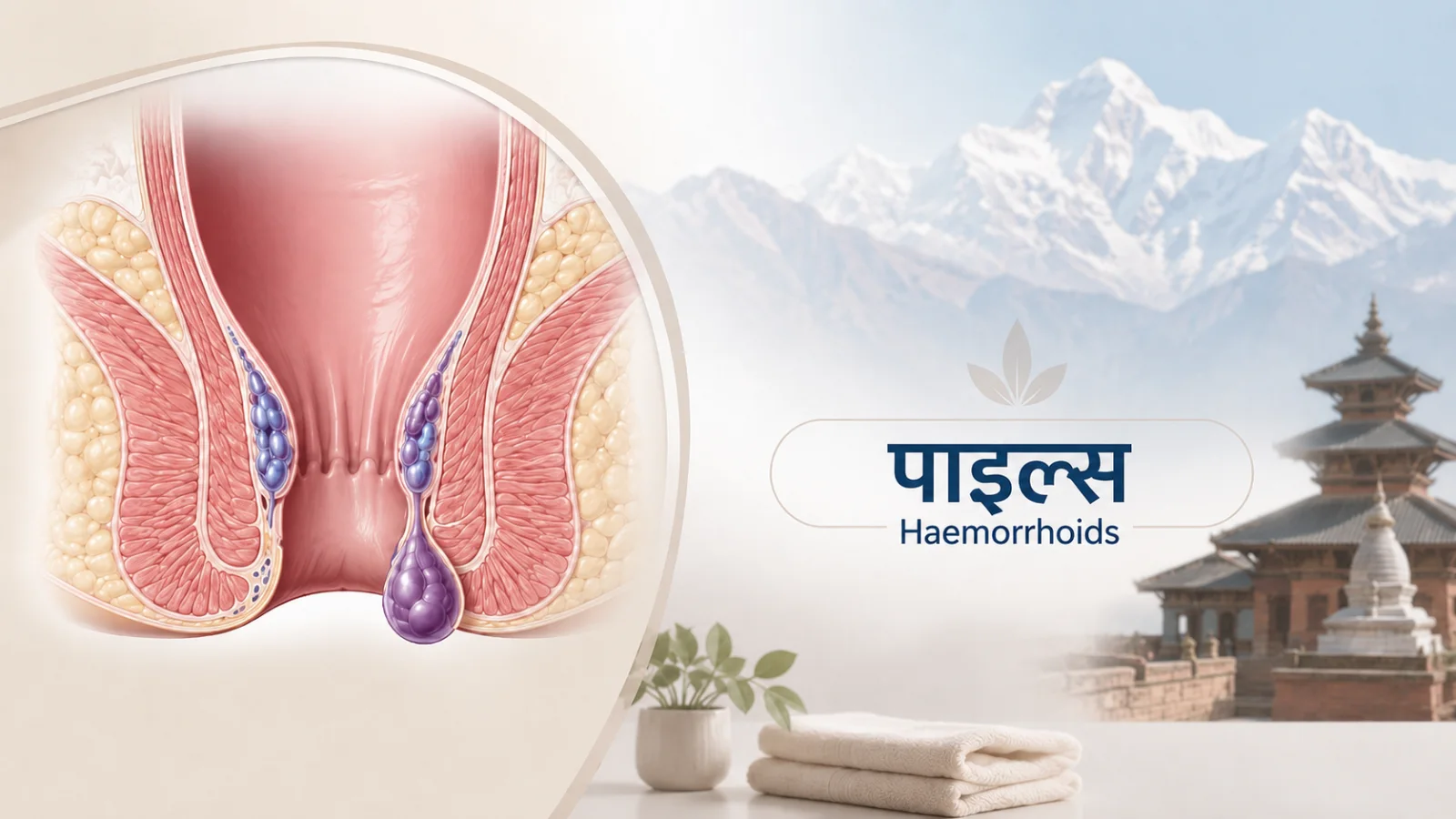
Haemorrhoids, commonly called piles, are enlarged or swollen blood-vessel cushions inside or around the anus. Internal haemorrhoids develop inside the anal canal, while external haemorrhoids form under the skin around the anus. They may cause bleeding, itching, discomfort or a lump, although some people have no symptoms.
Constipation, repeated straining, spending a long time on the toilet, pregnancy and increased pressure around the anus can contribute. Rectal bleeding should not automatically be assumed to be caused by haemorrhoids because other bowel conditions can cause similar symptoms.
Symptoms
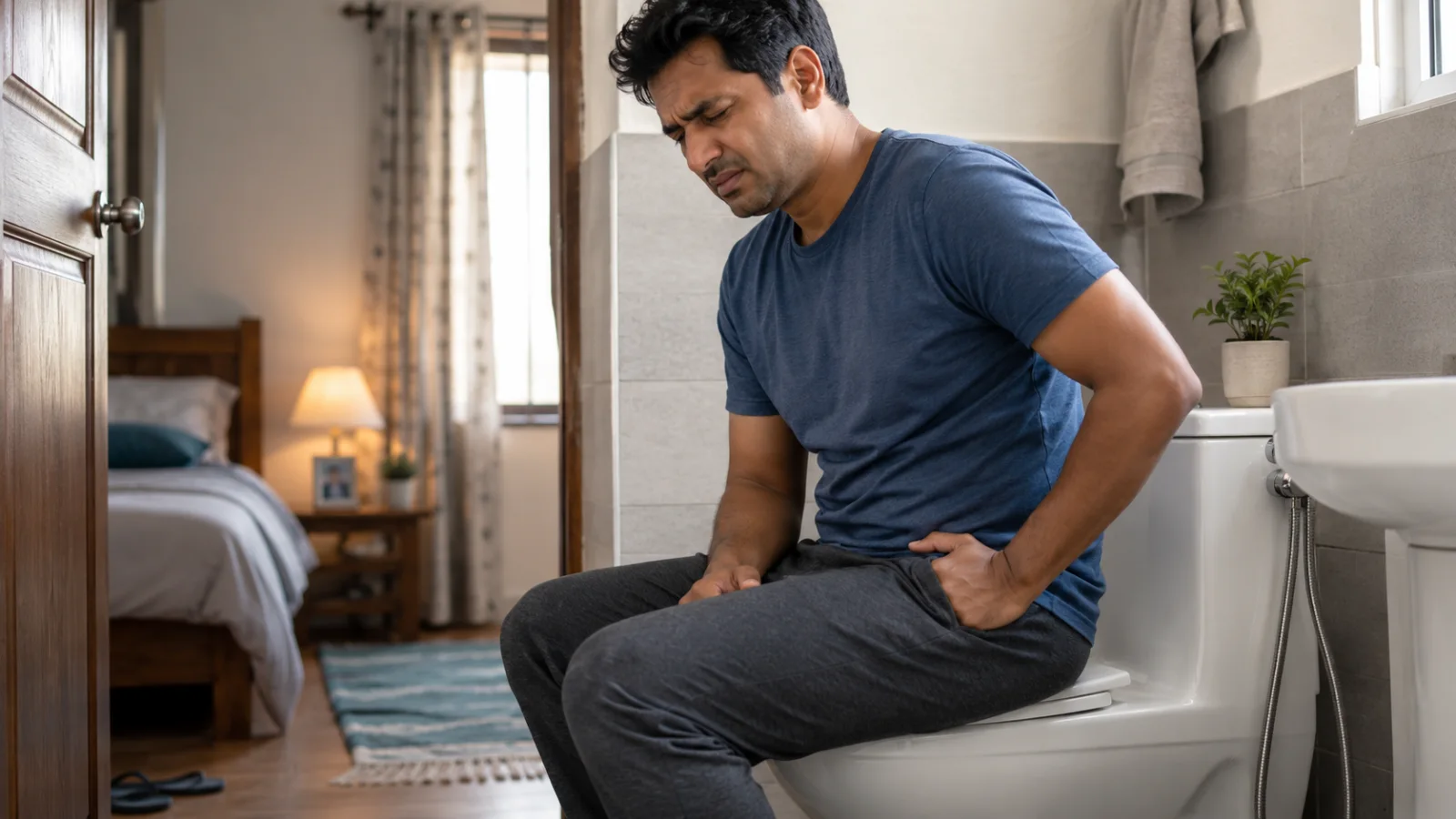
Haemorrhoids may cause:
Bright-red blood after passing stool, on toilet paper or in the toilet
Itching, irritation, soreness or swelling around the anus
A lump or several soft swellings around the anus
Mucus discharge after passing stool
A feeling that the bowel has not emptied completely
A lump that comes out while passing stool and later goes back inside
Discomfort or pain, particularly if an external haemorrhoid develops a blood clot
Internal haemorrhoids often bleed without causing much pain. External haemorrhoids are more likely to cause soreness, itching or pain.
Red flags
Seek urgent medical care if you have:
Heavy or continuous bleeding from the anus
Large blood clots or toilet water turning red
Black, sticky or tar-like stool
Bleeding with fainting, severe dizziness, confusion, breathlessness or marked weakness
Severe anal pain with fever, pus, rapidly spreading redness or significant swelling
Severe abdominal pain, repeated vomiting or inability to pass stool or wind
Arrange prompt medical assessment if:
Rectal bleeding is new, recurrent or unexplained
Blood appears mixed throughout the stool rather than only on its surface
You have unexplained weight loss, persistent abdominal pain or unusual tiredness
Your bowel habit has changed and remains different
Symptoms keep returning or do not improve with self-care
You take blood-thinning medicines or have a bleeding disorder
Do not assume that bleeding is "only piles" without appropriate assessment, particularly when it is new or accompanied by other symptoms. Other possible causes include an anal fissure, bowel inflammation, polyps and bowel cancer.
Self-care
Mild haemorrhoid symptoms often improve when constipation and straining are reduced.
Eat more fibre from vegetables, fruit, whole grains, lentils, beans, chickpeas, nuts and seeds.
Increase fibre gradually to reduce bloating and abdominal discomfort.
Drink enough water and other suitable fluids unless a clinician has advised fluid restriction.
Avoid delaying bowel movements when you feel the need to go.
Avoid straining and spending a long time sitting on the toilet.
Keep the anal area clean and gently pat it dry rather than rubbing.
A warm bath or a cold pack wrapped in cloth may help discomfort.
Stay physically active where possible.
Ask a healthcare professional about suitable short-term pain relief, creams or suppositories.
Avoid codeine-containing painkillers if they worsen constipation.
Avoid repeatedly using steroid-containing haemorrhoid creams for longer than advised.
Do not cut, squeeze, pierce or attempt to drain an anal lump yourself.
Fibre and fluids help keep stool soft and easier to pass, reducing pressure and straining.
Treatment

A healthcare professional may examine the area and sometimes perform a gentle rectal examination or use a small instrument to look inside the anal canal. Further bowel investigation may be needed when bleeding is unexplained or another cause is suspected.
Treatment depends on the type, size and severity of the haemorrhoids:
Lifestyle measures and constipation treatment are usually tried first.
Creams, ointments or suppositories may provide short-term relief from pain, swelling or itching, but they do not permanently remove haemorrhoids.
Laxatives or stool-softening treatment may be recommended when constipation is contributing.
Rubber-band ligation places a small band around an internal haemorrhoid to reduce its blood supply.
Injection treatment, infrared treatment, electrotherapy or other procedures may be used to shrink selected internal haemorrhoids.
Surgery may be considered for large, repeatedly prolapsing, severely symptomatic or persistent haemorrhoids that have not responded to other treatment.
Not every person with haemorrhoids needs a procedure or operation. Treatment should be chosen after confirming the diagnosis and excluding other important causes of bleeding.
Questions to ask your doctor
Are my symptoms caused by haemorrhoids or another bowel condition?
Do I have internal haemorrhoids, external haemorrhoids or both?
Does the rectal bleeding need further investigation?
Could constipation or another medicine be contributing?
Which cream, suppository or constipation treatment is suitable for me?
How long should I use the treatment?
Would rubber-band treatment or another procedure help?
Which symptoms should make me return urgently?
How can I reduce the chance of the haemorrhoids returning?
Nepal pathway
In Nepal, start with your nearest health post, PHC, clinic, or hospital if symptoms are worrying, severe, worsening, or not improving. Take previous prescriptions, test reports, allergy information, and current medicines with you. Seek urgent care immediately if there are red flag symptoms.
Disclaimer
This is general health information only and does not replace medical advice, diagnosis, treatment, or emergency care.
Help improve this guide
Spotted an error or want to contact us about this guide? Send a message to the HamroSwasthya team.