
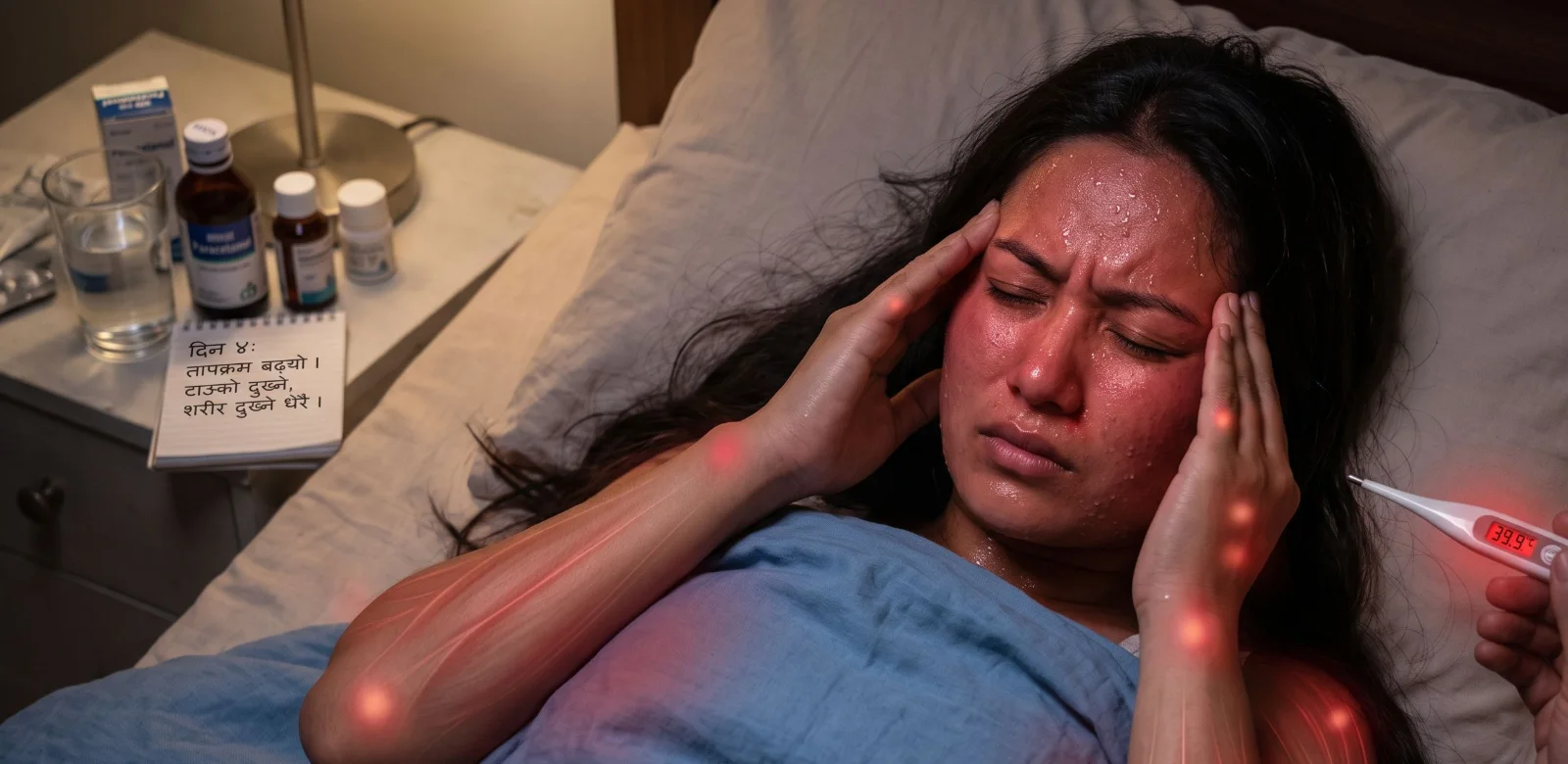
Fever
A fever is a temporary rise in body temperature, usually caused by the body responding to an infection. A temperature of 38°C or higher is generally considered a fever. You may also feel hot, cold or shivery even when a thermometer reading is lower.
Fever is a symptom rather than a disease. Most short-lived fevers improve as the underlying infection settles, but fever can sometimes be linked to a serious infection or another medical condition. This page mainly covers fever in adults and older children. Babies and young children require age-specific assessment: see our Fever in Children article.
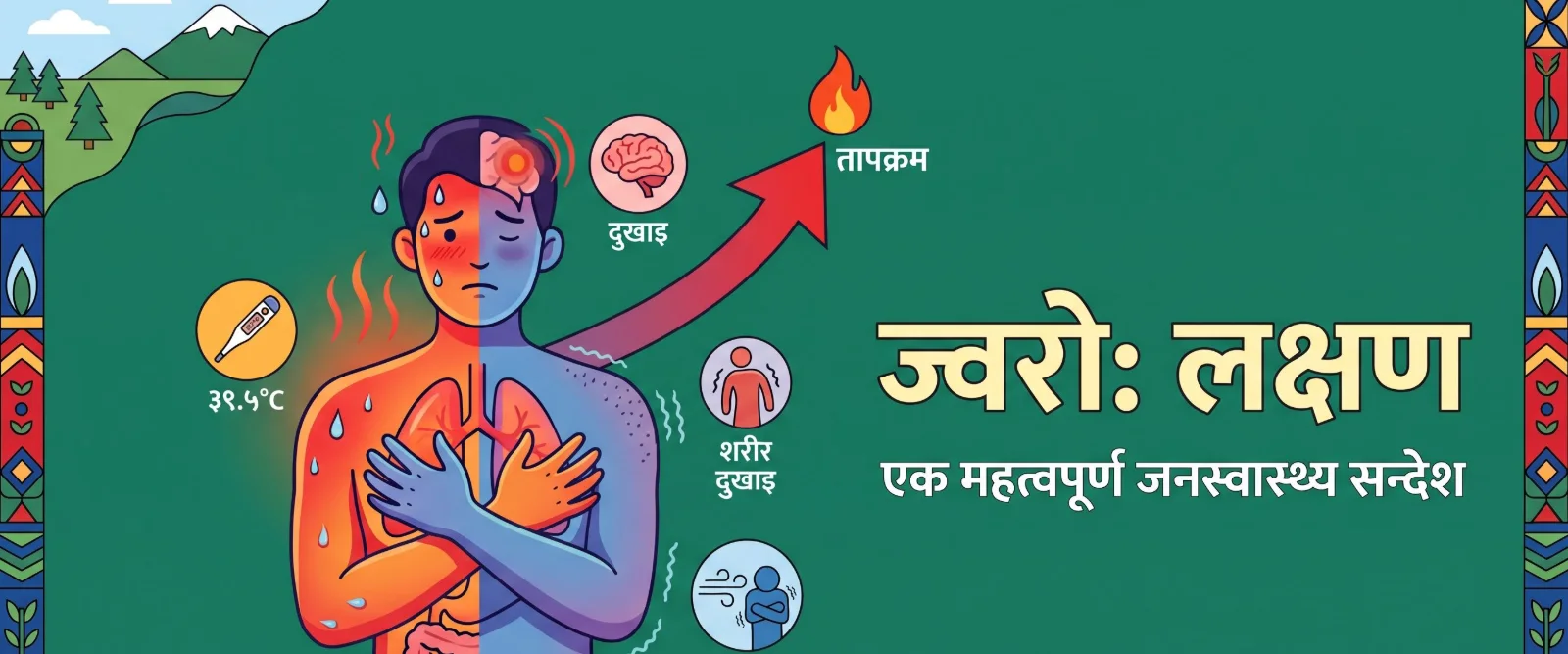
Emergency warning signs
Go to the nearest hospital immediately, or call 102 where ambulance services are available, if fever occurs with:
Severe breathing difficulty, rapid breathing or blue, grey or very pale lips
Confusion, unclear speech, unusual behaviour or difficulty waking
Collapse, seizure or loss of consciousness
Severe headache, stiff neck or discomfort with bright light
A rash that does not fade when pressed with a clear glass
Severe chest pain
Repeated vomiting or inability to drink
Very little urine, severe dizziness or other signs of serious dehydration
Cold, clammy or blotchy skin with severe weakness
Severe abdominal pain, unusual bleeding, blood in vomit or stool, or bleeding gums
Rapid worsening or feeling extremely unwell
These symptoms may indicate sepsis, meningitis, severe dengue, pneumonia or another serious illness. Severe dengue can sometimes become apparent as the fever begins to settle, so improvement in temperature does not always mean the danger has passed.
What this page cannot tell you
This page cannot identify the cause of your fever. Fever may result from a viral or bacterial infection, but other causes are also possible.
Your symptoms, examination, travel history and local disease patterns may be needed to distinguish illnesses such as influenza, COVID-19, pneumonia, urinary infection, dengue, typhoid, malaria or meningitis.
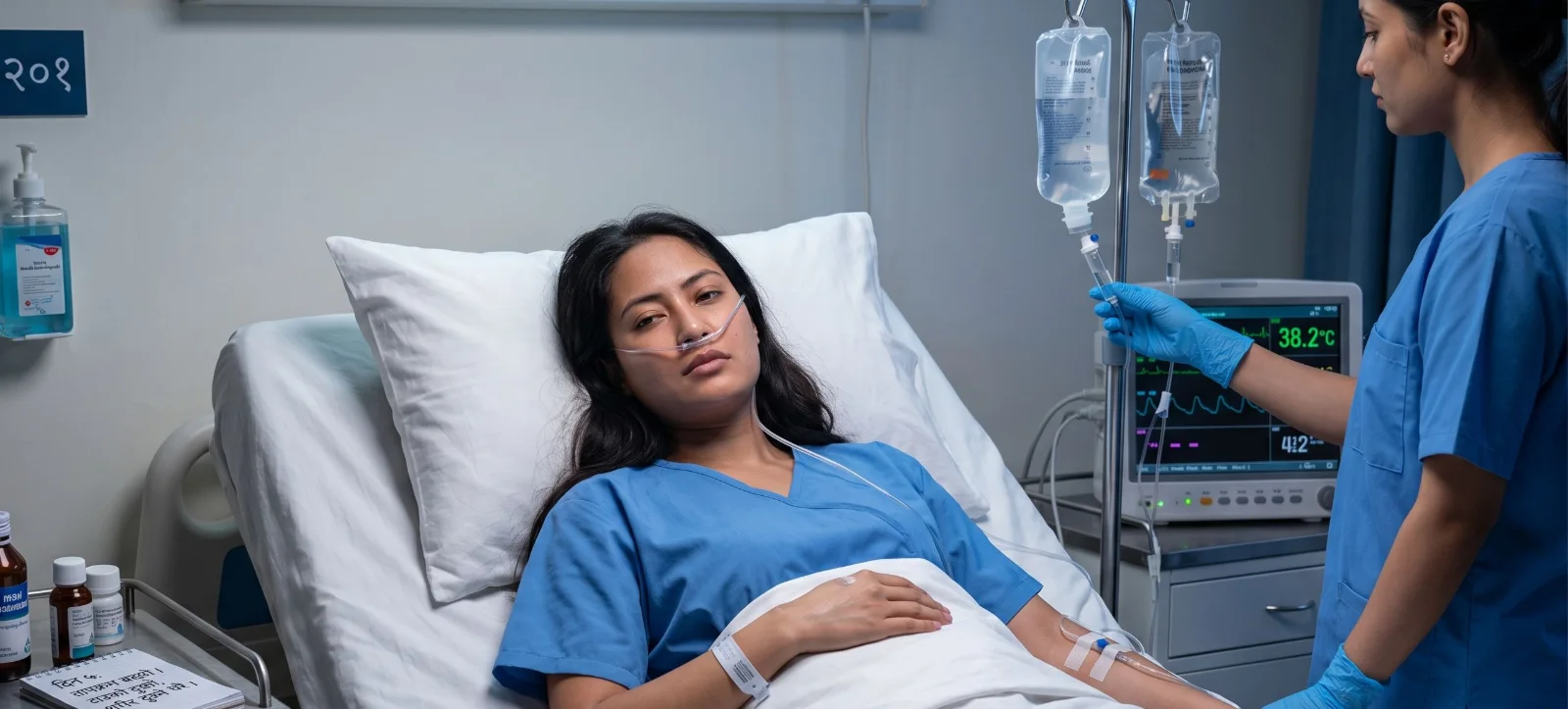
Common causes
Common causes include:
Viral respiratory infections, including flu and COVID-19
Throat, ear or chest infections
Urinary or kidney infections
Stomach and intestinal infections
Dengue, typhoid or malaria in relevant locations or after travel
Skin or wound infections
Reactions to some medicines or vaccinations
Less commonly, inflammatory conditions or cancers
What you can do yourself
Rest and drink enough water or other suitable fluids.
Wear light, comfortable clothing and keep the room comfortably cool.
Use paracetamol or ibuprofen only if you feel uncomfortable and the medicine is safe for you.
Follow the packet instructions and avoid taking several products containing the same ingredient.
Avoid alcohol and strenuous exercise while unwell.
Record your temperature, symptoms and medicines taken.
Reduce close contact with others if an infectious illness is possible.
Do not use leftover antibiotics. Antibiotics do not treat viral infections and should only be used when prescribed for a suspected or confirmed bacterial infection.
If dengue is possible, seek advice before using ibuprofen, aspirin or similar anti-inflammatory medicines because they may increase bleeding risk.
When to see a doctor
Arrange medical assessment if:
Fever lasts longer than about 3 days or repeatedly returns
Symptoms are worsening rather than improving
You develop cough, breathlessness, painful urination, severe sore throat, persistent diarrhoea or a new rash
You are pregnant, aged 65 or older, or recently gave birth
You have diabetes or significant heart, lung, liver or kidney disease
Your immunity is weakened by illness or treatment
Fever follows recent foreign travel, trekking or mosquito exposure
You remain concerned even without a listed warning sign
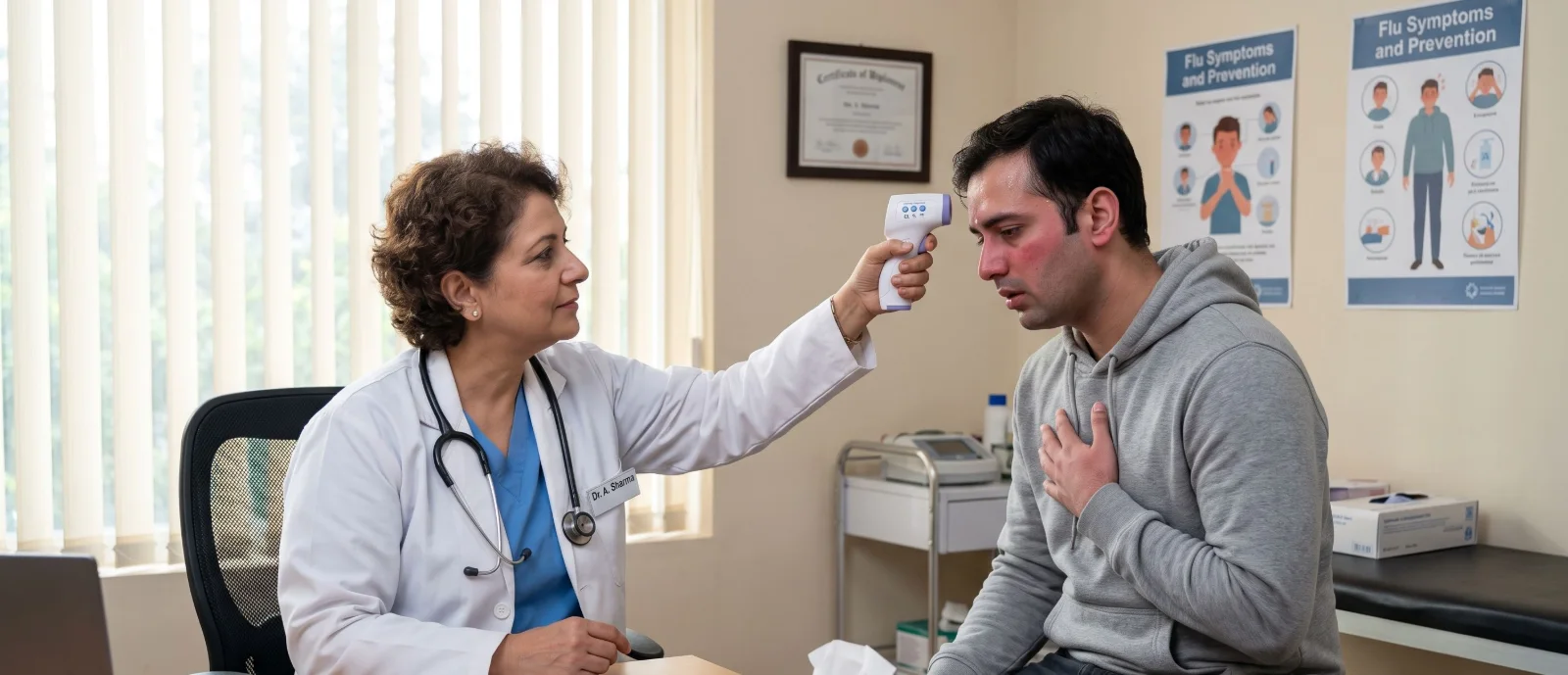
What a doctor may check
Questions they may ask
When the fever began, its highest reading, other symptoms, travel, mosquito or animal exposure, sick contacts, medicines, vaccinations and existing health conditions.
Physical examination
Temperature, pulse, blood pressure, breathing rate, oxygen level, hydration, alertness, skin and rash, throat, chest, abdomen and other areas suggested by the symptoms.
Tests that may be arranged
Depending on the likely cause, these may include blood tests, urine testing, respiratory swabs, dengue or malaria tests, chest imaging or cultures.
Nepal context
In Nepal, fever may be caused by common viral infections as well as pneumonia, urinary infections, dengue, typhoid, malaria, measles and other infectious diseases. The likely cause varies with the season, location, recent travel and current outbreaks. Dengue is established in Nepal, and serious warning signs can appear around the time the fever falls.
Do not assume every fever is "typhoid" and start antibiotics without proper assessment. Take a severely unwell person directly to a hospital capable of providing emergency care.
Useful records to keep
When the fever started
Temperature readings and how they were measured
Cough, pain, rash, vomiting, diarrhoea or urinary symptoms
Fluid intake and urine output
Medicines taken and the time used
Recent travel, trekking or mosquito exposure
Contact with anyone who has been unwell
Existing illnesses, allergies and regular medicines
Important notice
This information is for general health information only. It should not be used as a substitute for a doctor's advice, examination, diagnosis, treatment, or emergency services.
Help improve this guide
Spotted an error or want to contact us about this guide? Send a message to the HamroSwasthya team.