
Seizure
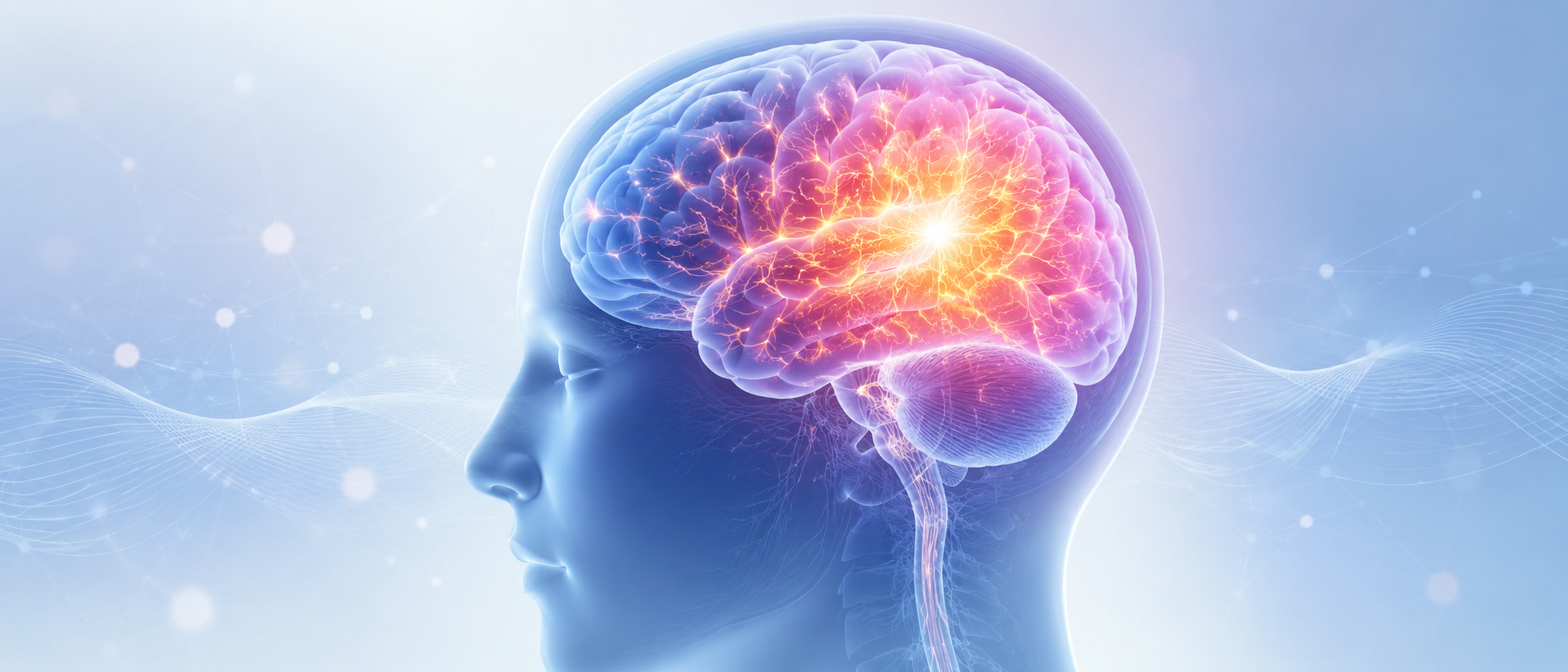
A seizure is a sudden disturbance in the brain's electrical activity. It can cause shaking or stiffening of the body, loss of awareness, staring episodes, unusual movements, confusion, or collapse.
A seizure is not always caused by epilepsy. It can also happen because of fever in children, low blood sugar, head injury, infection, alcohol or drug withdrawal, stroke, pregnancy-related complications, or other medical problems.
Some seizures stop quickly and the person recovers fully. However, a first seizure, a prolonged seizure, repeated seizures, or a seizure with breathing problems needs urgent medical assessment.
Emergency warning signs
Call Ambulance Nepal on 102 where available, or go to the nearest emergency department immediately, if:
It is the first seizure the person has had
The seizure lasts 5 minutes or more, or longer than is usual for that person
Another seizure starts before the person has fully recovered
The person does not regain consciousness or does not recover as usual afterwards
The person has difficulty breathing, turns blue, grey, or very pale, or is not breathing normally after the seizure
The person is seriously injured during the seizure
The seizure happens in water
The person is pregnant, has recently given birth, or has diabetes
The seizure occurs with a severe headache, stiff neck, fever, weakness, or persistent confusion
A child has their first seizure, is very unwell, or remains unusually sleepy afterwards
During a seizure:
Stay calm and time how long it lasts.
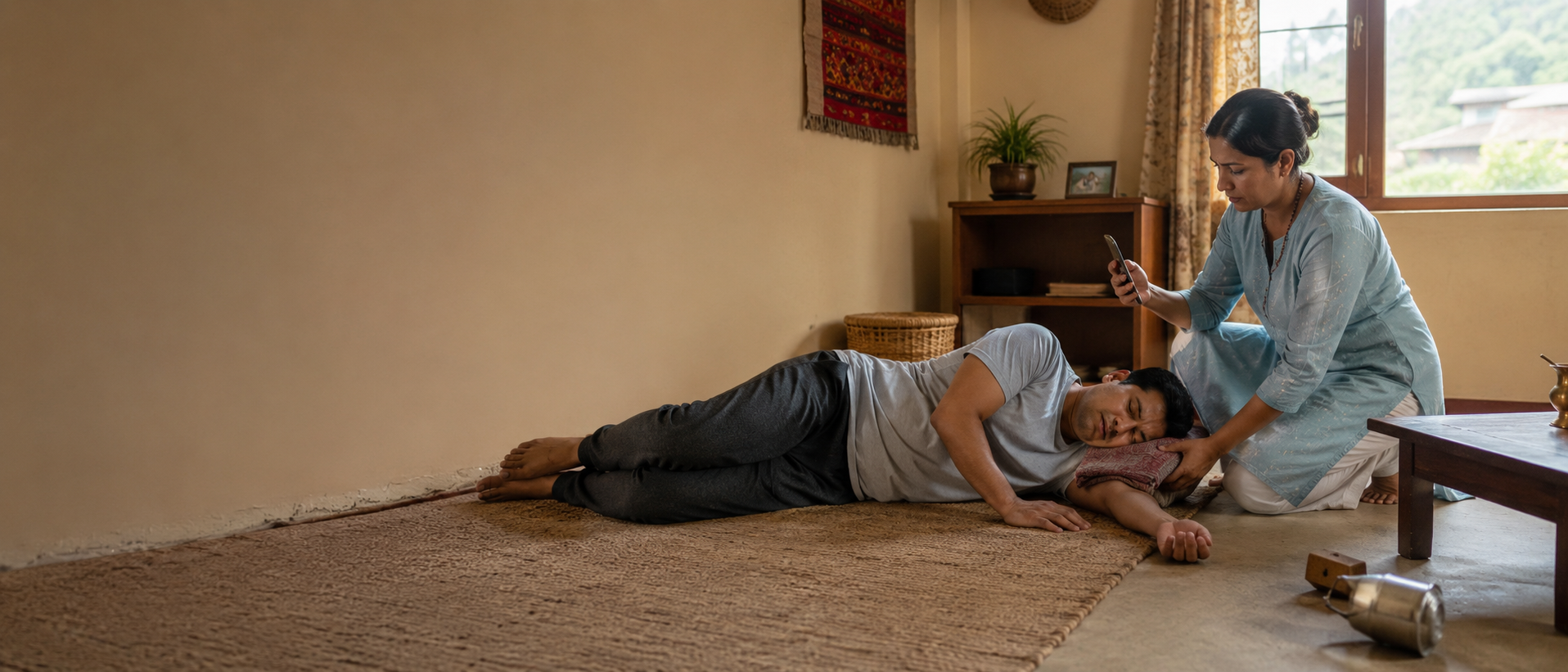
Move dangerous objects away and cushion the person's head with something soft.
Loosen tight clothing around the neck.
Do not hold them down.
Do not put anything in their mouth, including fingers, spoons, keys, water, food, or medicine.
When the shaking stops, gently place them on their side if it is safe to do so.
Stay with them until they are fully awake and aware of where they are.
What this page cannot tell you
This page gives general information about seizures. It cannot confirm what caused the seizure or whether the person has epilepsy.
It cannot tell you whether symptoms are due to epilepsy, low blood sugar, fever, stroke, infection, fainting, a head injury, alcohol or drug withdrawal, pregnancy-related complications, or another medical condition.
Only a qualified health professional can assess the cause and decide whether tests, treatment, or specialist review are needed.
Why it matters
A seizure can happen for many reasons. Common causes include:
Epilepsy
Fever, especially in young children
Low blood sugar, particularly in people with diabetes
Brain infection or severe illness
Stroke or bleeding in the brain
Alcohol or drug withdrawal
Lack of sleep, missed epilepsy medicines, or certain medicines
Pregnancy-related complications, including eclampsia
Seizures matter because they can cause injury, breathing problems, prolonged unconsciousness, or indicate a serious underlying illness. A prolonged seizure can be life-threatening and needs emergency treatment.
What you can do yourself
If someone is having a seizure, focus on keeping them safe.
Time the seizure from the start.
Protect their head and remove sharp, hot, or hard objects nearby.
Do not restrain their movements.
Do not put anything in their mouth. A person cannot swallow their tongue during a seizure.
Do not give food, drink, tablets, or liquids until they are fully awake and able to swallow safely.
After the seizure stops, turn them onto their side if safe and reassure them as they recover.
If the person has an individual seizure action plan or prescribed rescue medicine, follow it only if you are trained and authorised to do so.
For people with known epilepsy, take regular medicines exactly as prescribed and do not stop them suddenly without medical advice. Avoid known triggers where possible, such as missed medicines, poor sleep, heavy alcohol use, or flashing lights if these trigger seizures.
When to see a doctor
Arrange medical review if:
This was a first seizure, even if the person now feels well
The person has known epilepsy but the seizure was different, longer, more severe, or more frequent than usual
Seizures are becoming more frequent or recovery is taking longer
There has been an injury, head strike, tongue bite, or loss of bladder control
The person has new weakness, speech problems, severe headache, fever, memory problems, mood changes, or ongoing confusion
A child has had a seizure with fever or has repeated episodes
The person has missed epilepsy medicines, had vomiting or diarrhoea, or is unsure whether medicines have been absorbed
The seizure happened during pregnancy or soon after birth
Do not wait for a routine appointment if any emergency warning sign is present.

What a doctor may check
A doctor or emergency team may ask:
What happened before, during, and after the seizure
How long the seizure lasted
Whether the person lost consciousness, fell, shook, stared, became stiff, or had unusual movements
Whether there was tongue biting, incontinence, injury, fever, headache, vomiting, or confusion afterwards
Whether the person has epilepsy, diabetes, recent illness, head injury, alcohol or drug use, or pregnancy
Which medicines they take and whether any doses were missed
They may check blood sugar, temperature, blood pressure, oxygen level, heart rhythm, nerve function, and signs of injury.
Tests may include blood tests, an ECG, brain scan, EEG, or infection tests, depending on the situation. A witness description or a short video recorded safely from a distance can sometimes help a specialist understand what happened.
Nepal context
In Nepal, call Ambulance Nepal on 102 where available, or take the person to the nearest emergency department if a seizure is a first episode, lasts 5 minutes or more, repeats without recovery, causes injury, or affects breathing.
For known epilepsy, ask the treating doctor for a written seizure action plan. Keep it with the person's medicines and share it with close family, school staff, or carers where appropriate.
Take regular medicines, prescriptions, previous scan or EEG reports, discharge summaries, and allergy information to hospital if this does not delay emergency care.
Useful records to keep
Keeping a record can help doctors understand and manage seizures. Note:
Date, time, and duration of each seizure
What happened before, during, and after the seizure
Whether there was fever, illness, missed medication, lack of sleep, alcohol, flashing lights, or another possible trigger
Loss of consciousness, injury, tongue bite, or loss of bladder control
How long recovery took
Regular medicines, doses, missed doses, and medicine allergies
Previous EEGs, scans, hospital visits, and specialist letters
A written seizure action plan, if one has been provided
Important notice
This information is for general health information only. It should not be used as a substitute for a doctor's advice, examination, diagnosis, treatment, or emergency services.
Help improve this guide
Spotted an error or want to contact us about this guide? Send a message to the HamroSwasthya team.