
Stroke
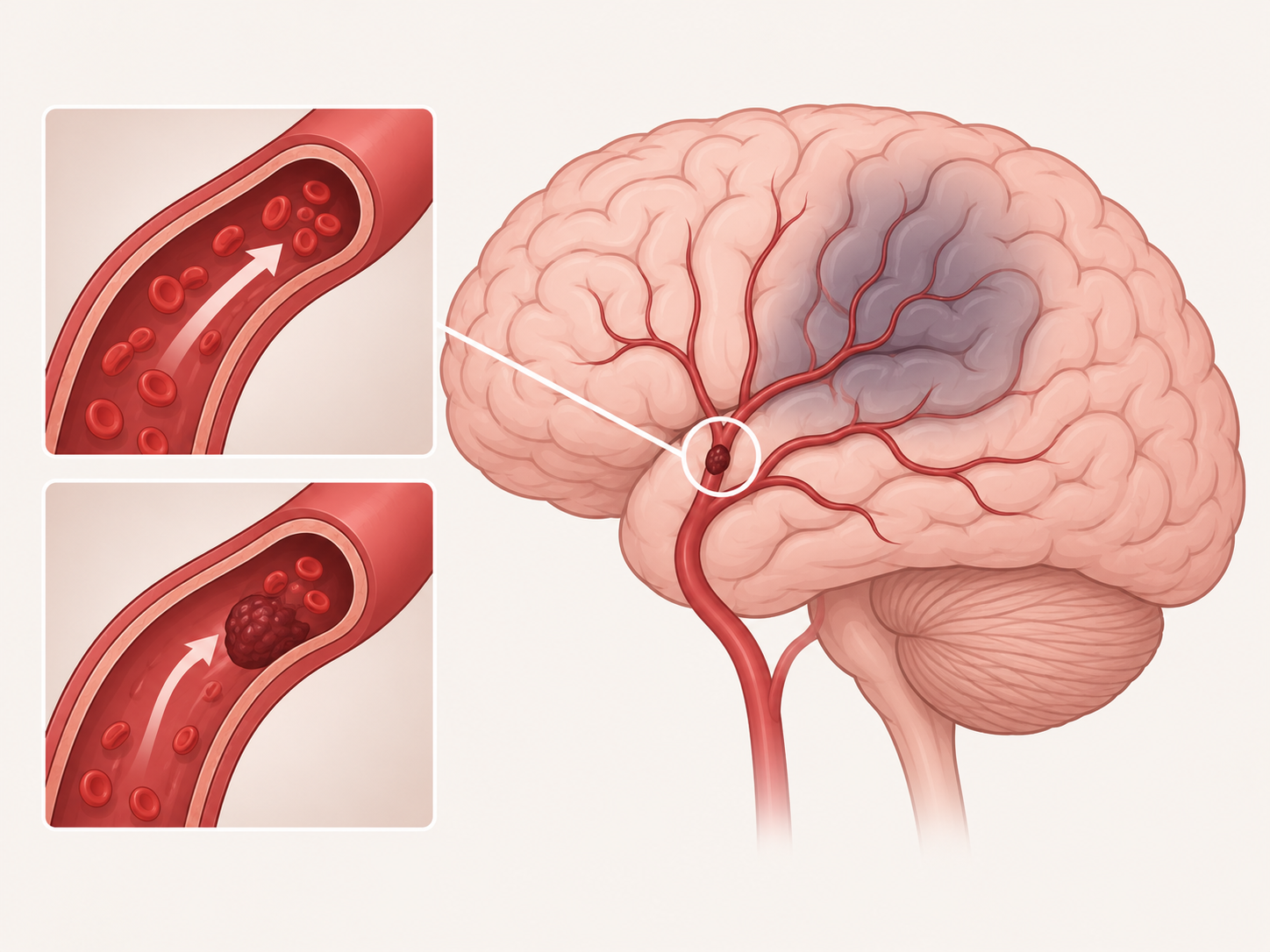
A stroke happens when the blood supply to part of the brain is suddenly cut off or interrupted. Without a steady flow of blood, brain cells begin to die within minutes. This makes stroke a medical emergency that needs immediate hospital treatment.
Strokes can affect people in different ways depending on which part of the brain is involved. Common effects include weakness or numbness on one side of the body, difficulty speaking or understanding speech, and problems with vision or balance. Some people recover well, while others may have lasting difficulties that require long-term rehabilitation and support.
There are two main types of stroke. The more common type, called an ischaemic stroke, is caused by a blood clot blocking a blood vessel in the brain. The other type, called a haemorrhagic stroke, happens when a blood vessel in the brain bursts and bleeds. Both types are serious and need urgent medical attention.
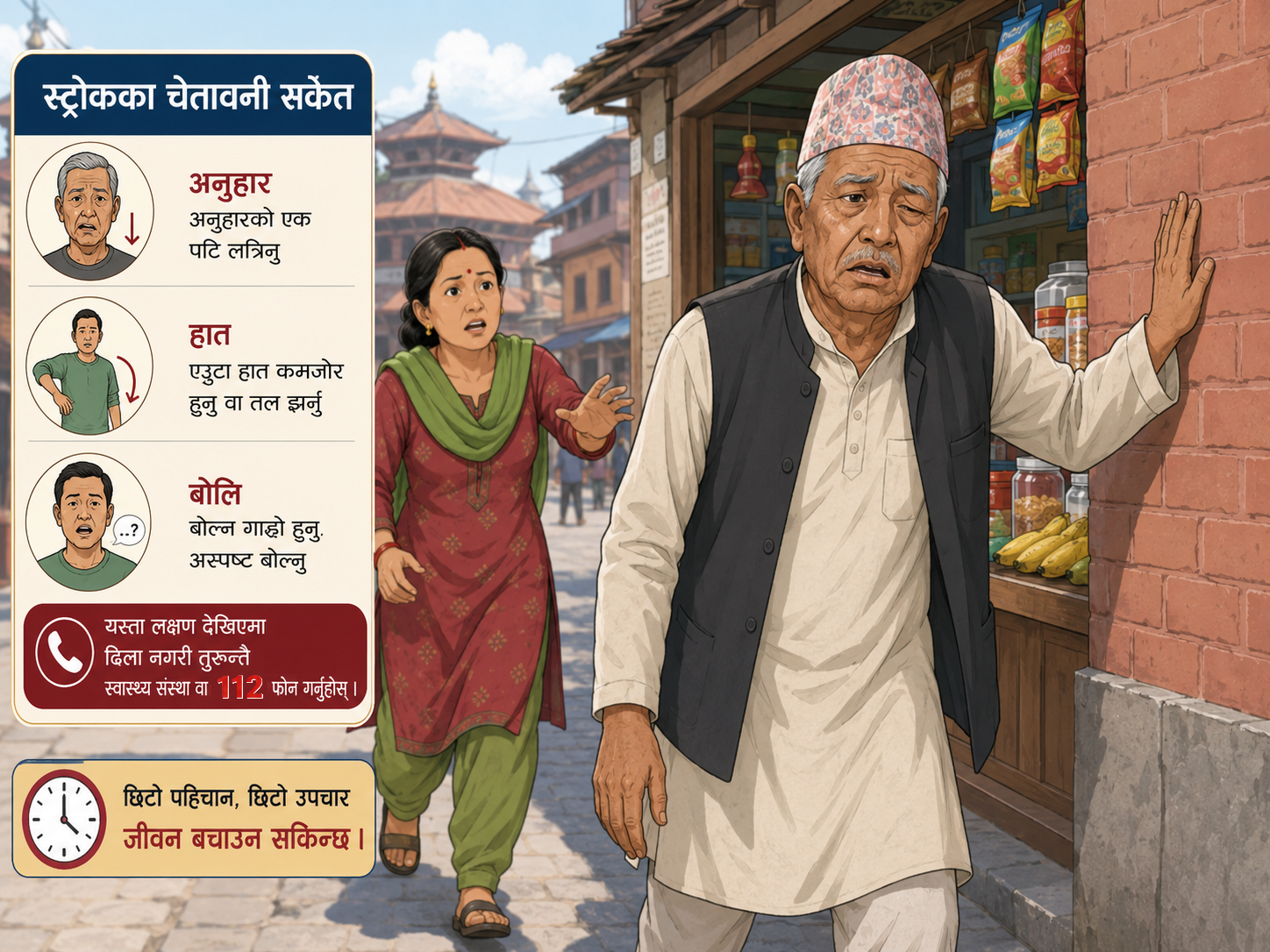
The key warning signs of stroke can be remembered using the word FAST: Face drooping on one side, Arm weakness, Speech difficulty, and Time to call for emergency help immediately.
Acting quickly is critical. The sooner treatment begins, the better the chances of survival and recovery. If you suspect someone is having a stroke, do not wait - get to the nearest hospital emergency department right away.
Red flags
A stroke is always a medical emergency - every minute counts. If you or anyone around you develops any of the signs listed below, go to the nearest hospital emergency department immediately. Do not delay.
FAST warning signs: face drooping to one side, weakness or numbness in one arm, or slurred or garbled speech
A sudden, extremely severe headache that feels completely different from any headache you have experienced before
Sudden blurring or loss of vision in one or both eyes
Sudden dizziness, loss of balance, or difficulty walking - including an unexplained fall
Sudden confusion or trouble understanding what others are saying
Losing consciousness or becoming unresponsive
A seizure (fit) occurring in someone who has never had one before
If you are experiencing symptoms yourself, do not attempt to drive. Call out for someone nearby to help you or use whatever emergency transport is available in your area.
With stroke, acting fast makes a real difference. The sooner a person receives treatment, the greater their chance of surviving and recovering well. Never sit and wait to see whether the symptoms pass on their own - get to a hospital right away.
Symptoms
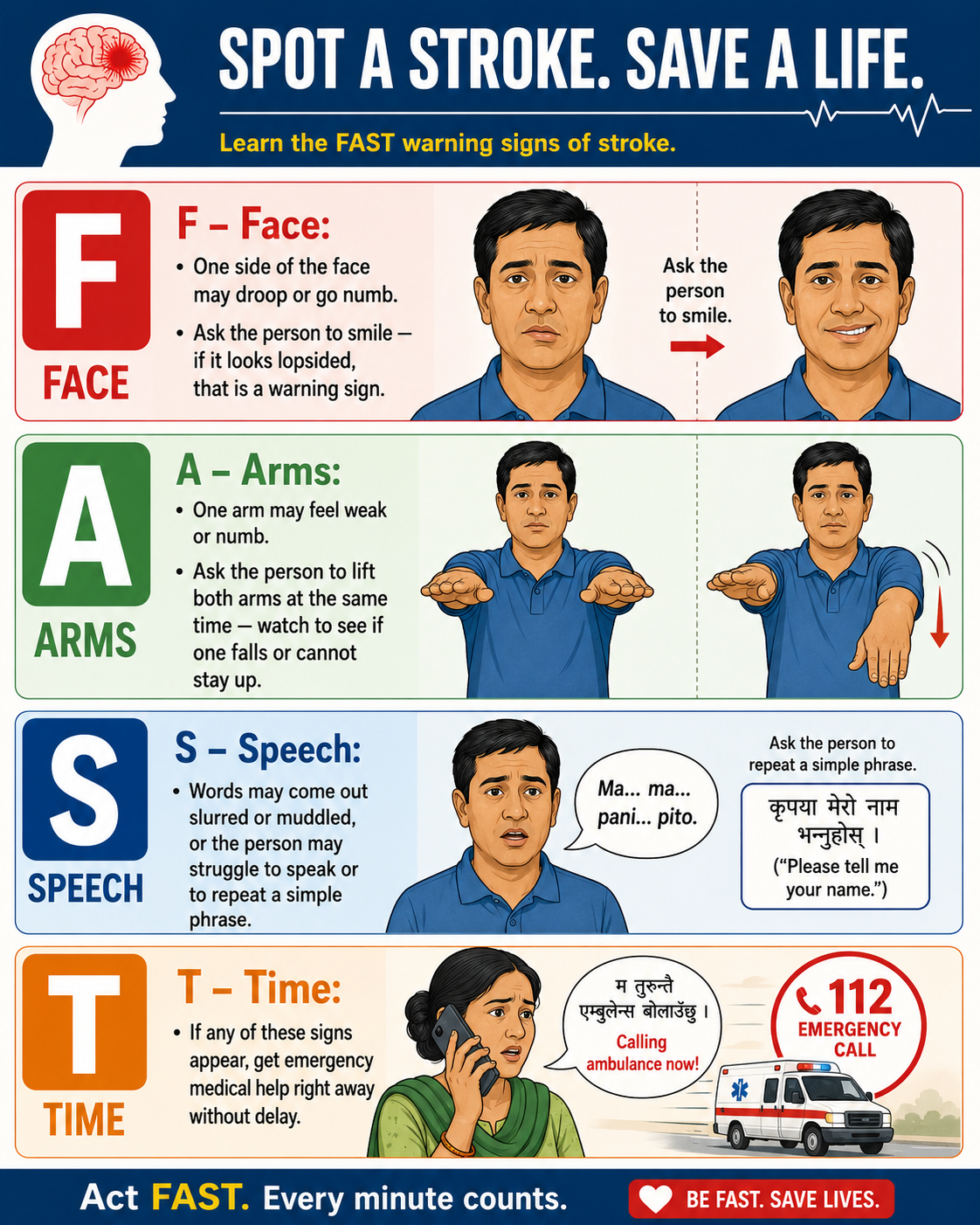
Stroke symptoms tend to appear all of a sudden. A simple way to remember the key warning signs is the word FAST:
F - Face: One side of the face may droop or go numb. Ask the person to smile - if it looks lopsided, that is a warning sign.
A - Arms: One arm may feel weak or numb. Ask the person to lift both arms at the same time - watch to see if one falls or cannot stay up.
S - Speech: Words may come out slurred or muddled, or the person may struggle to speak or to repeat a simple phrase.
T - Time: If any of these signs appear, get emergency medical help right away without delay.
Other warning signs that may come on suddenly include:
Vision that becomes blurred or disappears in one or both eyes
A very severe headache that has no clear reason
Sudden dizziness, unsteadiness, or trouble walking
Confusion or difficulty making sense of what people are saying
Weakness or numbness affecting one side of the body - including the face, arm, or leg
Any of these symptoms is a medical emergency. Do not wait and hope they go away on their own. Get to the nearest hospital emergency department as fast as possible, or call for emergency transport if it is available in your area.
Self-care
After a stroke, taking care of yourself at home plays an important role in your recovery. However, self-care supports your medical treatment - it does not replace it. Always follow the guidance given by your doctor or rehabilitation team.
Rest and recovery
Give yourself enough time to heal. Stroke recovery is often a gradual process that can unfold over weeks or even months.
Try to follow a consistent daily routine. Having structure can help both your brain and body adjust as you recover.
Taking your medicines
Take all medicines your doctor has prescribed exactly as directed. Many of these are given specifically to lower the chance of having another stroke.
Never stop taking a prescribed medicine on your own, even if you are feeling better. Always check with your doctor first.
Eating and drinking
Aim for a balanced diet that includes plenty of vegetables, fruits, and wholegrains, while cutting back on foods that are very salty or high in fat.
If you find swallowing difficult after your stroke, let your healthcare team know before eating or drinking anything. Swallowing difficulties are common after a stroke and need proper assessment and care.
Make sure you drink enough water throughout the day to stay hydrated.
Physical activity
Move gently and regularly, following whatever level of activity your doctor or physiotherapist has recommended. Even small, simple movements can support your recovery.
Do not push yourself past what feels safe. Ask your healthcare team to guide you on the right amount of activity for your current condition.
Reducing the risk of another stroke
If you smoke, quitting is one of the most beneficial steps you can take for your recovery and long-term health.
Keep alcohol intake low.
If you have conditions such as high blood pressure or diabetes, follow your treatment plan carefully and attend your regular check-ups.
Mental health and emotional wellbeing
It is very common to feel sad, anxious, or frustrated after a stroke. If you are struggling emotionally, speak openly with someone you trust or with your healthcare provider.
Stay connected with family and friends as much as you can. Having people around you can make a meaningful difference to how well and how quickly you recover.
Caring for someone after a stroke
If you are helping a family member recover at home, ask the healthcare team what support is needed and how you can assist them safely.
Remember to look after your own health as well. Caring for a stroke survivor can be physically and emotionally tiring, and your wellbeing matters too.
When to seek help
If any stroke symptoms come back or new symptoms develop, go to the nearest hospital emergency department straight away. Do not wait or delay.
Contact your doctor if you have any concerns about your recovery, your medicines, or managing your daily activities.
Treatment
Stroke treatment must be given in hospital as soon as possible. The exact care you receive depends on which type of stroke you have had, so doctors will carry out tests shortly after you arrive to find out.
Emergency treatment
The two main stroke types require different approaches:
Ischaemic stroke (caused by a blocked blood vessel): When you reach hospital quickly enough, doctors may be able to give a clot-dissolving medicine directly into a vein. Not every patient is suitable for this treatment, which is why arriving early matters - the sooner you get there, the more treatment choices may be open to you.
Haemorrhagic stroke (caused by bleeding inside the brain): Care is aimed at stopping the bleeding and lowering dangerous pressure within the brain. In some cases, surgery may be required.
Medicines
Following a stroke, doctors will commonly prescribe medicines to lower the risk of a further stroke. Depending on your situation, these may include blood-thinning medicines, medicines to bring down blood pressure, or medicines to manage cholesterol. Take all prescribed medicines as instructed, even when you feel perfectly fine.
Monitoring and supportive care
Throughout your hospital stay, medical staff will keep a close watch on your heart rate, blood pressure, oxygen levels, and other vital signs. Some patients need additional support with breathing, swallowing, or other everyday functions while the body heals.
Rehabilitation
Recovering from a stroke usually involves working with a team of specialists that may include physiotherapists, speech therapists, and occupational therapists. Rehabilitation is aimed at helping you regain as much ability as possible. It typically begins while you are still in hospital and continues at home or in a dedicated rehabilitation setting after discharge.
Recovery is a gradual process and differs greatly from one person to another. Some people make a strong recovery, while others may experience lasting difficulties. Sticking to your treatment plan and attending all follow-up appointments gives you the best possible chance of a good outcome.
Questions to ask your doctor
Recovering from a stroke can feel overwhelming, and it is easy to forget important questions once you are in the consultation room. Jotting them down beforehand helps you use your time with the doctor well. The following questions may be a good starting point.
Understanding your stroke
What type of stroke did I have, and what led to it?
Which area of my brain was involved, and how does that affect me?
What investigations are needed now, and will any follow-up tests be required later?
Medicines and treatment
Which medicines do I need to take, and for how long will I be on them?
What side effects should I be aware of?
What is the right thing to do if I forget a dose?
Your recovery
What does my recovery likely look like, and roughly how long could it take?
Will I benefit from physiotherapy, speech therapy, or other rehabilitation services?
Are there steps I can take at home to support my healing?
Reducing the risk of another stroke
What changes can I make to lower my chances of a stroke happening again?
Should I adjust my diet, physical activity, or other lifestyle habits?
Are there existing health conditions, such as high blood pressure, that need closer attention and control?
Getting back to everyday life
When can I safely return to work or resume normal daily activities?
Is it safe for me to drive?
Are there specific activities I should avoid while I am recovering?
Warning signs to watch for
Which symptoms should prompt me to seek emergency care immediately?
Who is the right person to contact if I have worries or new symptoms between my scheduled appointments?
Nepal pathway
In Nepal, start with your nearest health post, PHC, clinic, or hospital if symptoms are worrying, severe, worsening, or not improving. Take previous prescriptions, test reports, allergy information, and current medicines with you. Seek urgent care immediately if there are red flag symptoms.
Disclaimer
This is general health information only and does not replace medical advice, diagnosis, treatment, or emergency care.
Help improve this guide
Spotted an error or want to contact us about this guide? Send a message to the HamroSwasthya team.