
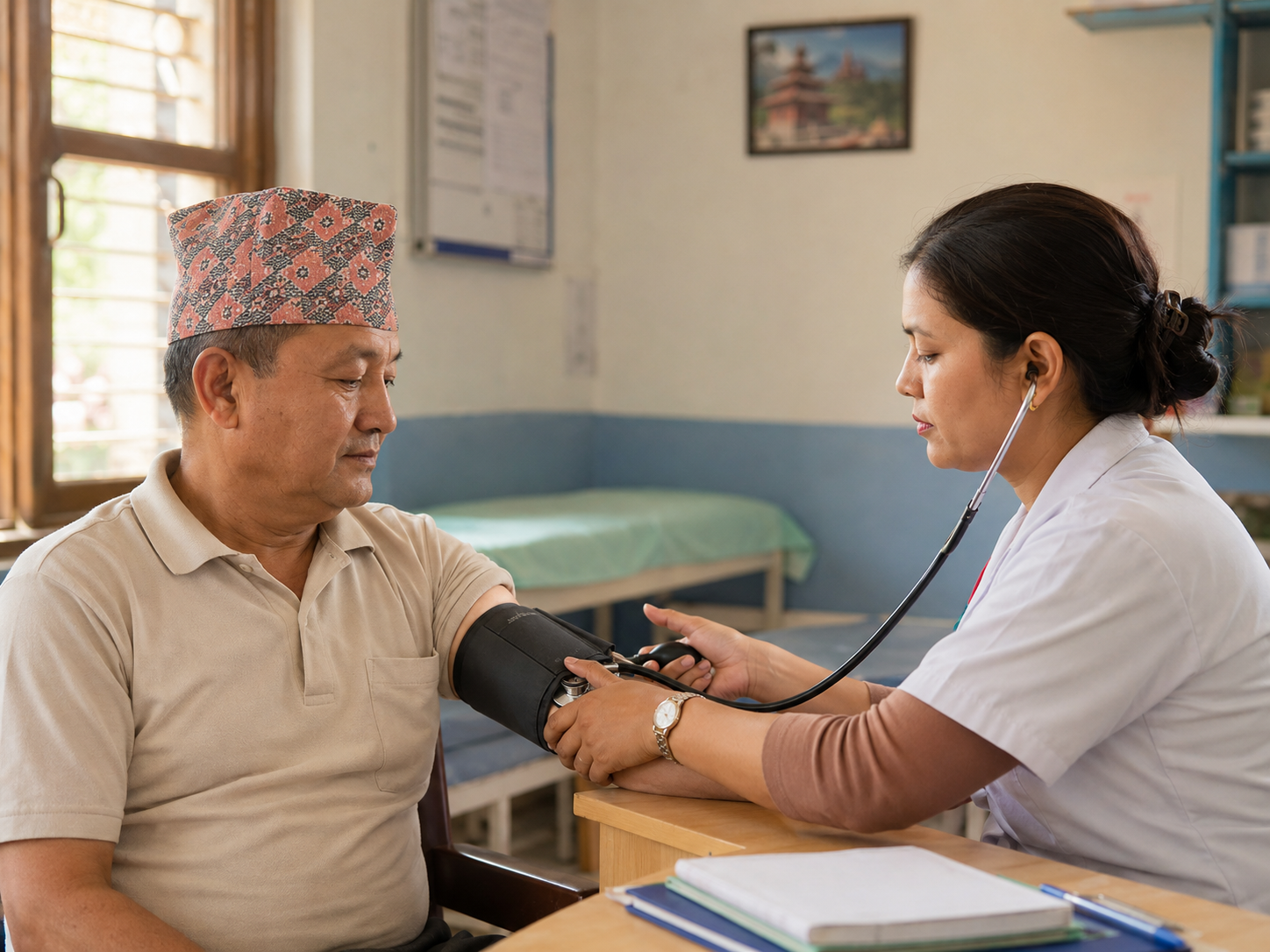
High Blood Pressure
High blood pressure, also called hypertension, means the force of blood pushing against the walls of your arteries is consistently too high. Over time, this extra pressure can silently damage the heart, blood vessels, kidneys, and brain - often before any symptoms appear. It is one of the most common long-term health conditions worldwide and a leading cause of heart attack, stroke, and kidney disease. Because it rarely causes obvious warning signs in its early stages, many people do not know they have it until it is picked up during a routine check. Regular blood pressure monitoring is the only reliable way to detect it early. With the right care and lifestyle changes, high blood pressure can usually be managed well.
Symptoms
High blood pressure is often called a "silent condition" because most people have no symptoms at all, even when readings are very high. This is why it can go undetected for years without regular checks.
When symptoms do occur, they are usually non-specific - meaning they can be caused by many different things and are not reliable warning signs on their own. Some people with high blood pressure report:
Headaches, particularly at the back of the head, often noticed in the morning
Dizziness or a feeling of lightheadedness
Blurred or changes in vision
Nosebleeds
Palpitations (a feeling of a fast or pounding heartbeat)
These symptoms are not always present and do not reliably tell you whether your blood pressure is high or normal. The only way to know your blood pressure level is to have it measured.
In rare cases, blood pressure can rise to a dangerously high level and cause more serious symptoms that need immediate medical attention. See the red flags section for warning signs that require urgent care.
> Important: Do not wait for symptoms to appear. Many people feel completely well yet still have high blood pressure that is damaging their body over time. Regular blood pressure checks are the only reliable way to find out.
Red flags
The following signs can indicate a dangerous spike in blood pressure or a life-threatening complication. Do not wait - go to the nearest hospital emergency department or call for emergency transport right away.
Call for emergency help or go immediately if you or someone else experiences:
Sudden, severe headache that is unlike any headache before - often described as a "thunderclap" or the worst headache of your life
Sudden weakness, numbness, or paralysis on one side of the face, arm, or leg
Sudden difficulty speaking, understanding speech, or finding words
Sudden loss of vision in one or both eyes, or sudden double vision
Chest pain or tightness that is severe, crushing, or spreading to the arm, jaw, or back
Sudden severe shortness of breath at rest
Confusion, sudden drowsiness, or loss of consciousness
Seizures (fits) with no prior history
Sudden loss of balance or coordination, or inability to walk normally
These symptoms may signal a stroke, heart attack, or hypertensive emergency - conditions where every minute matters. Do not drive yourself if possible. Get emergency help immediately.
Self-care
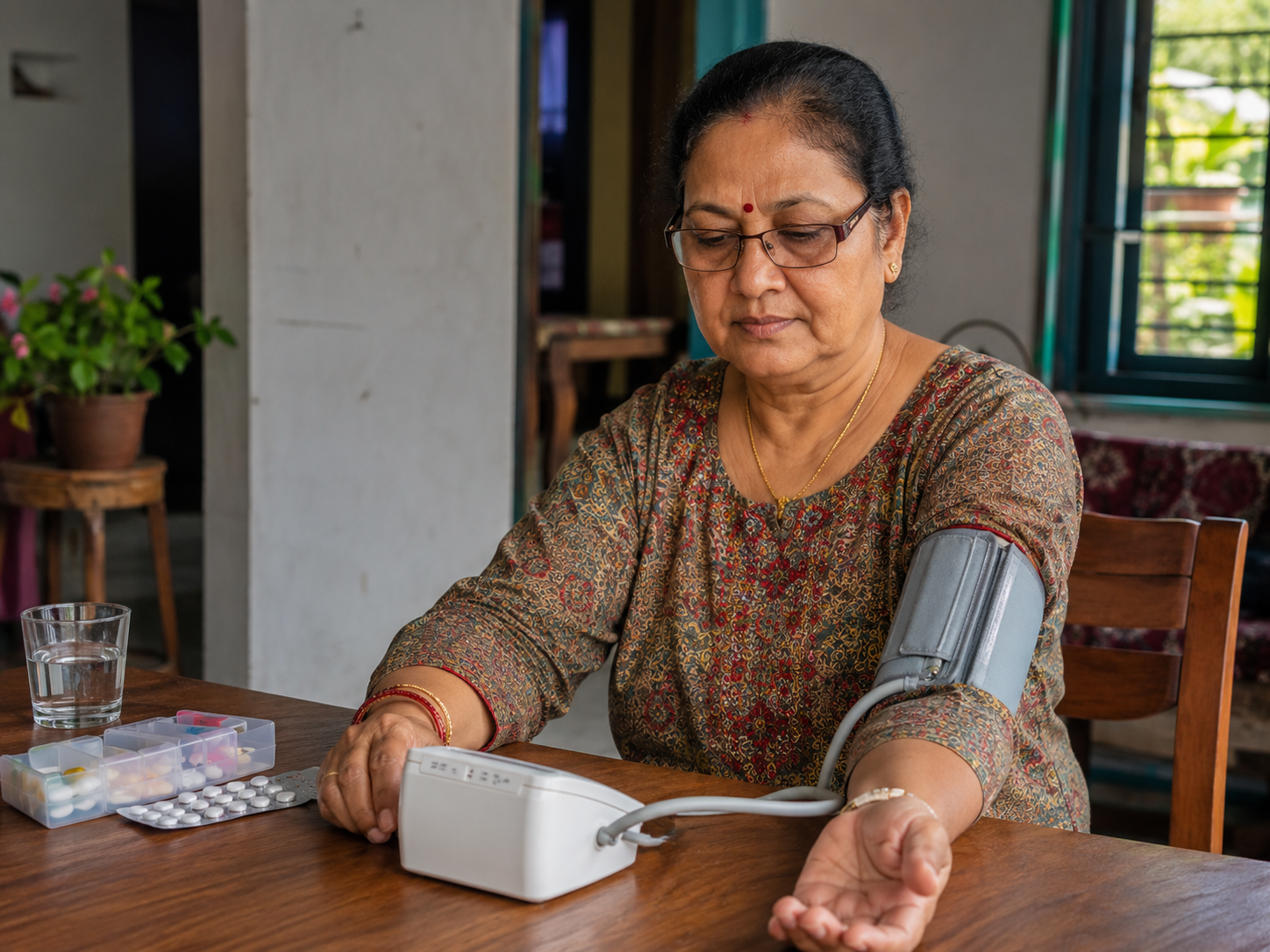
Making healthy lifestyle changes is one of the most effective ways to help manage high blood pressure. These steps work alongside any treatment your doctor recommends - not instead of it.
Eat a Heart-Healthy Diet
Reduce salt (sodium). Try to use less salt when cooking and avoid adding it at the table. Limit salty snacks, pickles, processed foods, and instant noodles, which often contain hidden salt.
Eat plenty of vegetables, fruits, and whole grains such as dal, vegetables, brown rice, and whole wheat roti.
Limit oily, fried, and fatty foods. Choose healthier cooking oils and avoid excessive ghee or saturated fats.
Reduce alcohol. Drinking alcohol regularly raises blood pressure. Cutting back or stopping can make a meaningful difference.
Stay Physically Active
Regular moderate exercise - such as brisk walking for around 30 minutes most days of the week - can help lower blood pressure over time. Choose an activity you enjoy and can do consistently. If you have other health conditions, ask your doctor what level of activity is right for you.
Maintain a Healthy Weight
Carrying extra weight puts additional strain on your heart and blood vessels. Even modest weight loss, combined with healthy eating and activity, can help bring blood pressure down.
Stop Smoking
If you smoke, stopping is one of the single most important things you can do for your heart and blood vessel health. Seek support from a healthcare provider if you need help quitting.
Manage Stress
Long-term stress may contribute to raised blood pressure. Simple practices such as deep breathing, adequate rest, spending time outdoors, or connecting with family and friends can help reduce everyday stress.
Monitor Your Blood Pressure Regularly
If you have a blood pressure monitor at home, keep a record of your readings and share them with your doctor at appointments. Consistent monitoring helps you and your doctor understand how well your management plan is working.
Take Any Prescribed Medication as Directed
If your doctor has prescribed medication, take it regularly as instructed - even when you feel well. Do not stop or change your medication without speaking to your doctor first.
> Important: If you experience any sudden or severe symptoms, see the red flags section and seek emergency help immediately.
Treatment

If you are diagnosed with high blood pressure, your doctor will decide on the best approach based on how high your readings are, how long you have had the condition, and whether you have any other health problems such as diabetes, kidney disease, or heart disease.
Monitoring and Review
Your doctor will want to check your blood pressure regularly to see how well it is being controlled. They may ask you to come back for repeat readings before starting treatment, or they may arrange more frequent reviews once treatment begins. Keeping these follow-up appointments is important.
Blood Pressure Medicines
When lifestyle changes alone are not enough - or when blood pressure is high enough to need faster control - your doctor may prescribe medication. There are several different types of blood pressure medicines. Commonly used options include:
ACE inhibitors or ARBs - these help relax blood vessels and protect the kidneys
Calcium channel blockers - these also relax and widen blood vessels
Diuretics (water tablets) - these help the body remove excess fluid, which reduces pressure
Beta-blockers - these slow the heart rate and reduce the force of the heartbeat
Your doctor will choose the most appropriate medicine for you. Some people need only one medicine; others need a combination of two or more to reach a safe blood pressure level. This is common and does not mean your condition is unusually severe.
Starting and Adjusting Treatment
It may take some time to find the right medicine or combination at the right dose. Your doctor may adjust your treatment at reviews based on your readings and whether you are experiencing any side effects. Never stop or change your blood pressure medicine without speaking to your doctor first - stopping suddenly can be harmful.
Managing Underlying Causes
In some cases, high blood pressure has an identifiable underlying cause - such as a kidney problem or a hormonal condition. Your doctor may arrange blood tests, urine tests, or other investigations to look for these. Treating the underlying cause can sometimes improve blood pressure control.
Long-Term Management
High blood pressure is usually a lifelong condition. Most people need to continue treatment and monitoring over the long term, even when their readings improve. Good control significantly reduces the risk of serious complications such as stroke, heart attack, and kidney damage.
Questions to ask your doctor
Coming prepared with questions can help you get the most from your appointment. Here are some useful ones to consider:
About Your Diagnosis
What is my blood pressure reading today, and what does it mean for me?
Is my blood pressure high enough to need treatment now, or should we monitor it first?
Could another health condition or a medication I take be causing my high blood pressure?
About Monitoring
How often should I check my blood pressure, and can I do this reliably at home?
What numbers should I aim for, and when should a reading prompt me to contact you?
About Treatment
If I am prescribed medication, how long will I need to take it?
What are the common side effects I should watch out for?
Are there any medications, supplements, or herbal remedies I should avoid?
About My Overall Health
Has my blood pressure already affected my heart, kidneys, or other organs?
Do I need any tests to check for complications or other risk factors?
Given my other health conditions or family history, is there anything extra I should be aware of?
About Follow-Up
When should I come back for my next check?
What changes in my health should prompt me to contact you sooner?
Nepal pathway
In Nepal, start with your nearest health post, PHC, clinic, or hospital if symptoms are worrying, severe, worsening, or not improving. Take previous prescriptions, test reports, allergy information, and current medicines with you. Seek urgent care immediately if there are red flag symptoms.
Disclaimer
This is general health information only and does not replace medical advice, diagnosis, treatment, or emergency care.
Help improve this guide
Spotted an error or want to contact us about this guide? Send a message to the HamroSwasthya team.