
Diarrhoea
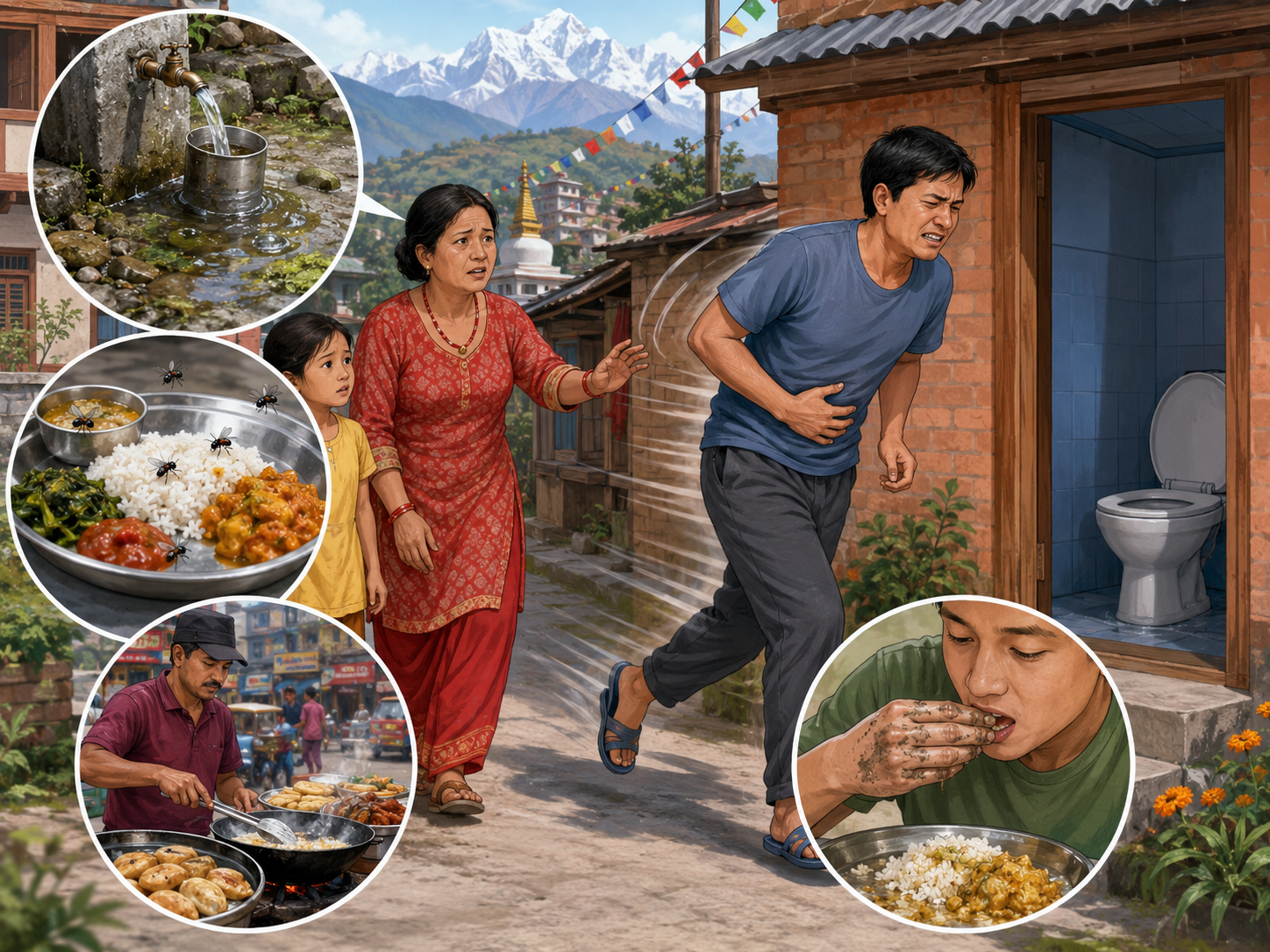
Diarrhoea is a common digestive condition where a person passes watery or very loose stools three or more times in one day. It is most often caused by an infection, which usually comes from eating contaminated food or drinking unsafe water. The biggest danger with diarrhoea is that the body loses fluid quickly. When too much fluid is lost, the body becomes dehydrated. Dehydration can become serious, and young children and older adults face the highest risk. Keeping good hygiene habits helps prevent diarrhoea. Always wash your hands with soap and clean water, especially before handling food and after using the toilet. Making sure your food is properly prepared and your drinking water is safe also reduces your risk.
Emergency warning signs
Seek medical help right away if you or the person you are caring for shows any of the following warning signs:
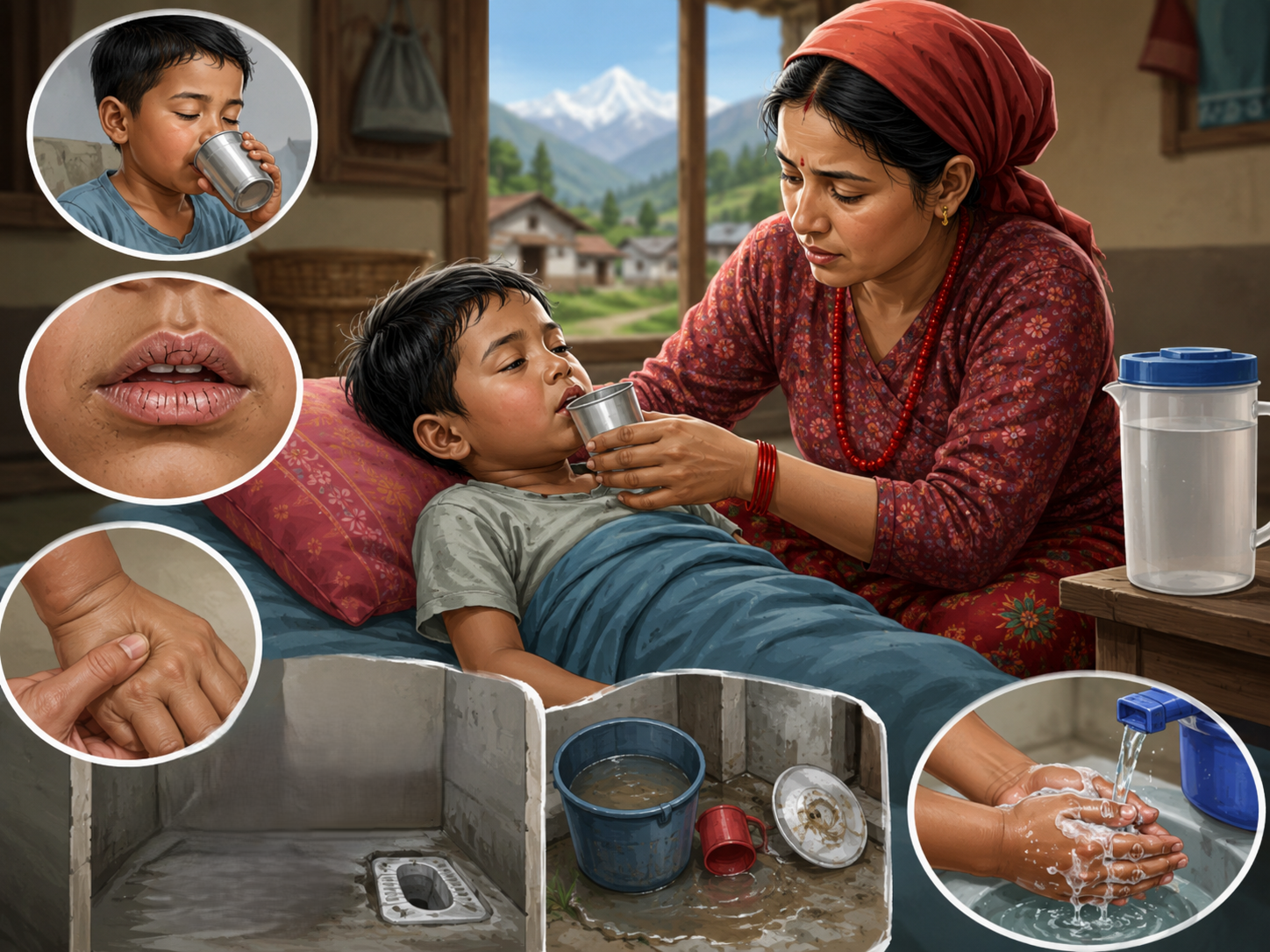
Severe dehydration: This occurs when the body has lost a dangerous amount of fluid. Warning signs include feeling extremely thirsty, having a very dry mouth, producing very little urine, or having sunken eyes. In children, check whether they are crying without producing any tears. Also watch for extreme dizziness or weakness, or if the person is unusually drowsy and difficult to wake.
A very high body temperature.
Severe stomach pain that continues and does not settle.
Blood in the stool, or stools that appear black and tar-like.
Diarrhoea that goes on for a long time, particularly in young children or older adults.
Repeated vomiting that prevents the person from drinking or keeping any fluids down.
What this page cannot tell you
The information on this page is general guidance about diarrhoea. It does not replace advice from a doctor or qualified health worker. This page cannot tell you whether your symptoms are caused by diarrhoea or a different illness. It also cannot identify the exact cause of your diarrhoea. It cannot suggest the right treatment or medicine for your individual situation. Most importantly, this page cannot tell you whether you or someone in your care needs urgent medical attention. This is especially important when there are signs of severe dehydration or other serious health concerns. Please speak with a health professional to get a diagnosis, personal advice, or a treatment plan suited to your needs.
Common causes
Common causes of diarrhoea
Diarrhoea can happen for many reasons. The most common cause is a stomach or bowel infection, often from contaminated food or water. It can also be caused by:
Viral infections, such as norovirus
Bacterial or parasitic infections
Certain foods, food intolerance, or sudden dietary changes
Medicines, especially antibiotics or laxatives
Stress or anxiety
Long-term bowel conditions, such as irritable bowel syndrome (IBS) or inflammatory bowel disease
In many cases, diarrhoea improves within a few days. However, it may need medical assessment when it is severe, lasts longer than expected, keeps returning, or occurs with worrying symptoms.
Why it matters
Diarrhoea can cause the body to lose water and important salts quickly. This can lead to dehydration, particularly in babies, young children, older people, pregnant people, and those with long-term health conditions.
Most episodes are mild, but diarrhoea can sometimes be a sign of a more serious infection or another medical condition. It is important to recognise warning signs, stay hydrated, and seek medical advice when needed.
What you can do yourself
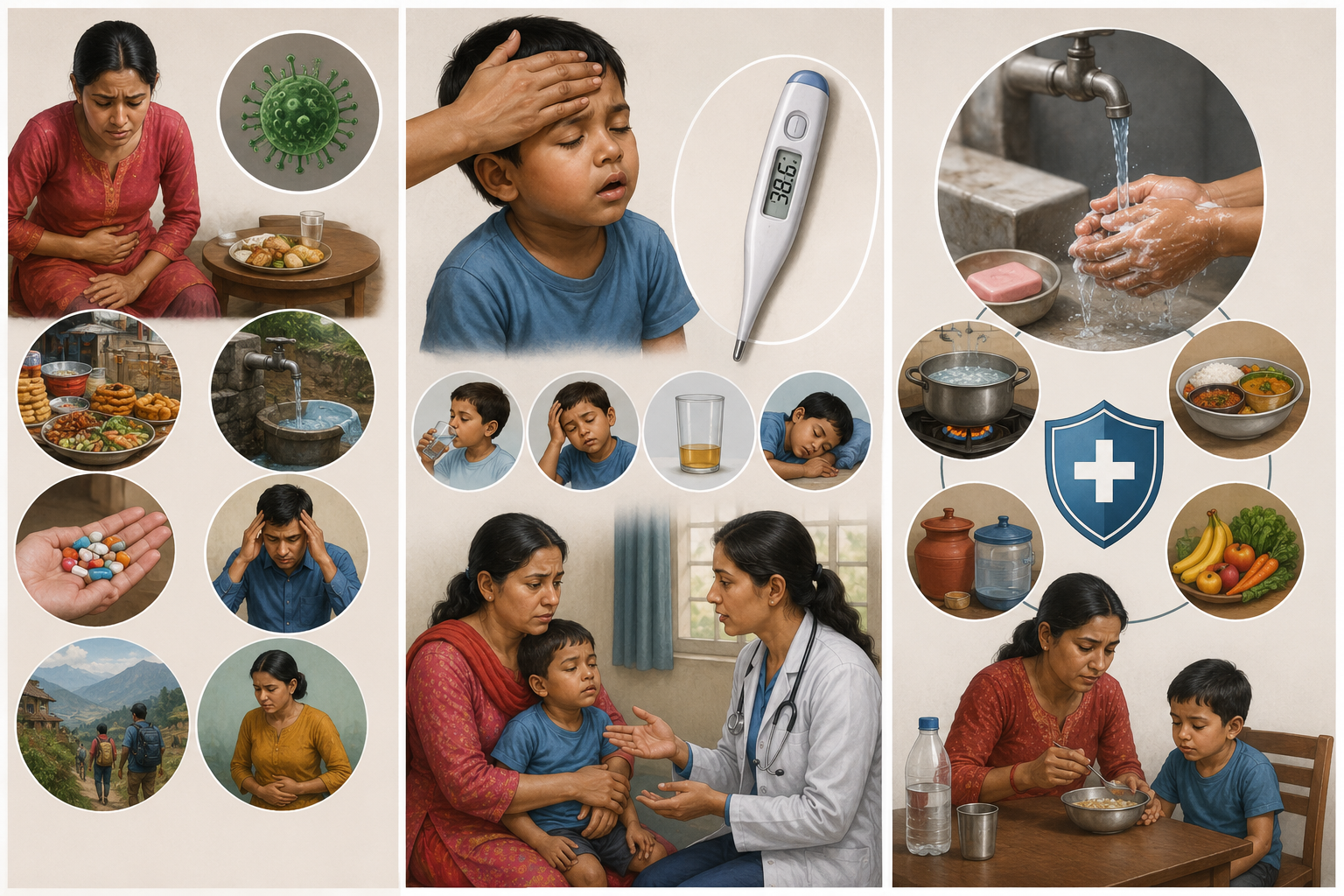
Diarrhoea causes your body to lose fluids very quickly. Your most important task during this time is to prevent dehydration by replacing those lost fluids.
Drink Plenty of Fluids: Keep drinking fluids throughout the day. Safe choices include clean drinking water, coconut water, and light soups or broths. These help your body replace the fluids it is losing.
Use Oral Rehydration Salts (ORS): ORS is one of the most helpful treatments for diarrhoea. Each ORS packet contains the correct amounts of water, salt, and sugar needed to help your body absorb fluids properly. Using ORS regularly can prevent dehydration from becoming serious. Always read and follow the mixing instructions on the packet.
Eat Simple, Easy-to-Digest Foods: Once you feel ready to eat, begin with small portions of plain, gentle foods. Boiled rice, bananas, and boiled potatoes are good options because they are easy on the stomach. Avoid oily, spicy, and very sweet foods. Dairy products such as milk should also be avoided, as they can make diarrhoea worse.
Rest Your Body: Recovery takes energy. Allow yourself enough rest so your body can heal and regain its strength.
Wash Your Hands Thoroughly: Clean your hands well with soap and safe water every time after using the toilet and before handling or eating food. This habit is one of the most effective ways to stop diarrhoea from spreading to others in your home or community.
When to see a doctor
See a doctor or visit a health facility if any of the following apply:
Diarrhoea has not improved after two to three days of care at home.
You are worried about a baby, young child, older person, or someone with an ongoing health condition who has diarrhoea.
You notice any signs of dehydration, even mild ones.
Symptoms are getting worse rather than better.
What a doctor may check
A doctor or qualified health professional may ask about:
When the diarrhoea started and how often it is happening
Whether there is blood, mucus, vomiting, fever, or severe stomach pain
Signs of dehydration, such as thirst, dizziness, passing less urine, or unusual tiredness
Recent food, water, travel, contact with someone who is unwell, or antibiotic use
Your usual health conditions, medicines, and whether you may be pregnant
They may check your temperature, pulse, blood pressure, hydration, and examine your abdomen. Depending on your symptoms and how unwell you are, they may arrange tests such as a stool sample, blood test, or urine test.
Nepal context
In Nepal, diarrhoea is a frequently seen health problem, and young children are especially at risk of becoming seriously dehydrated because of it. In some parts of the country, clean drinking water and proper sanitation are not always easy to access, which can raise the chances of getting diarrhoea. Keeping good hygiene habits and being careful about the safety of food and water are key steps that help prevent this illness throughout Nepal.
Useful records to keep
Keeping a few simple notes before and during your visit can help the doctor understand your situation more quickly.
Track your symptoms
When the diarrhoea started and how many days it has been going on
How many times a day you are passing loose or watery stools
Whether you have noticed any blood or mucus in the stool
Any other symptoms, such as vomiting, fever, stomach cramps, or feeling faint
Note what you have eaten and drunk
Foods or drinks you had in the 24 to 48 hours before the diarrhoea began
Whether you drank water from an unfamiliar or untreated source
Whether anyone else who ate the same food is also unwell
Record fluid intake
How much fluid you or the unwell person has been able to drink
Whether oral rehydration solution has been used, and how much
List any medicines taken
Any medicines currently being taken, including those for other conditions
Any medicines taken to treat the diarrhoea, and whether they helped
For young children and older adults
Note the number of wet nappies or times urinating, as this helps show whether the body is staying hydrated
Any changes in alertness, energy levels, or behaviour
Important notice
The information on this page is for general knowledge and educational purposes only. It is not intended to be a substitute for professional medical advice, diagnosis, or treatment. Always seek the advice of a qualified healthcare professional for any medical concerns or questions you may have.
Help improve this guide
Spotted an error or want to contact us about this guide? Send a message to the HamroSwasthya team.