
Dengue
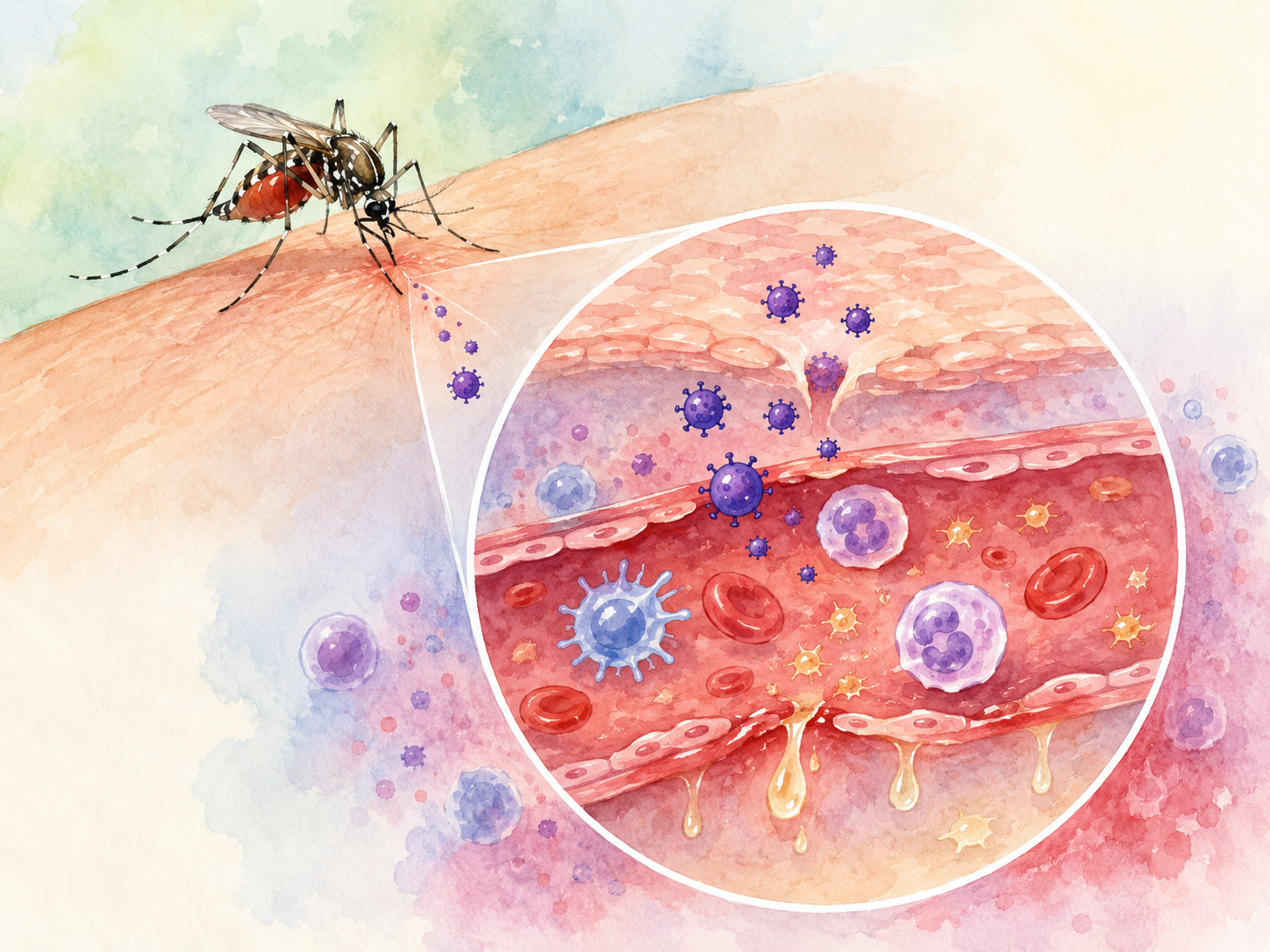
Dengue is a viral illness spread through the bite of an infected mosquito. It is found in many tropical and subtropical parts of the world, including parts of Asia, Africa, the Americas, and the Pacific.
Unlike some other mosquito-borne illnesses, the mosquitoes that spread dengue are most active during the day, particularly in the early morning and early evening.
Many people with dengue have no symptoms at all, or only mild ones. When symptoms do appear, they often feel similar to a bad bout of flu and usually develop within a week or two of being bitten. Most people recover fully within a week or so with rest and plenty of fluids.
In some cases, dengue can become severe and require hospital treatment. A second dengue infection carries a higher risk of serious illness.
There is no specific medicine to treat dengue, but symptoms can be managed at home in most cases. Protecting yourself from mosquito bites is the most effective way to avoid getting dengue in the first place.
Symptoms
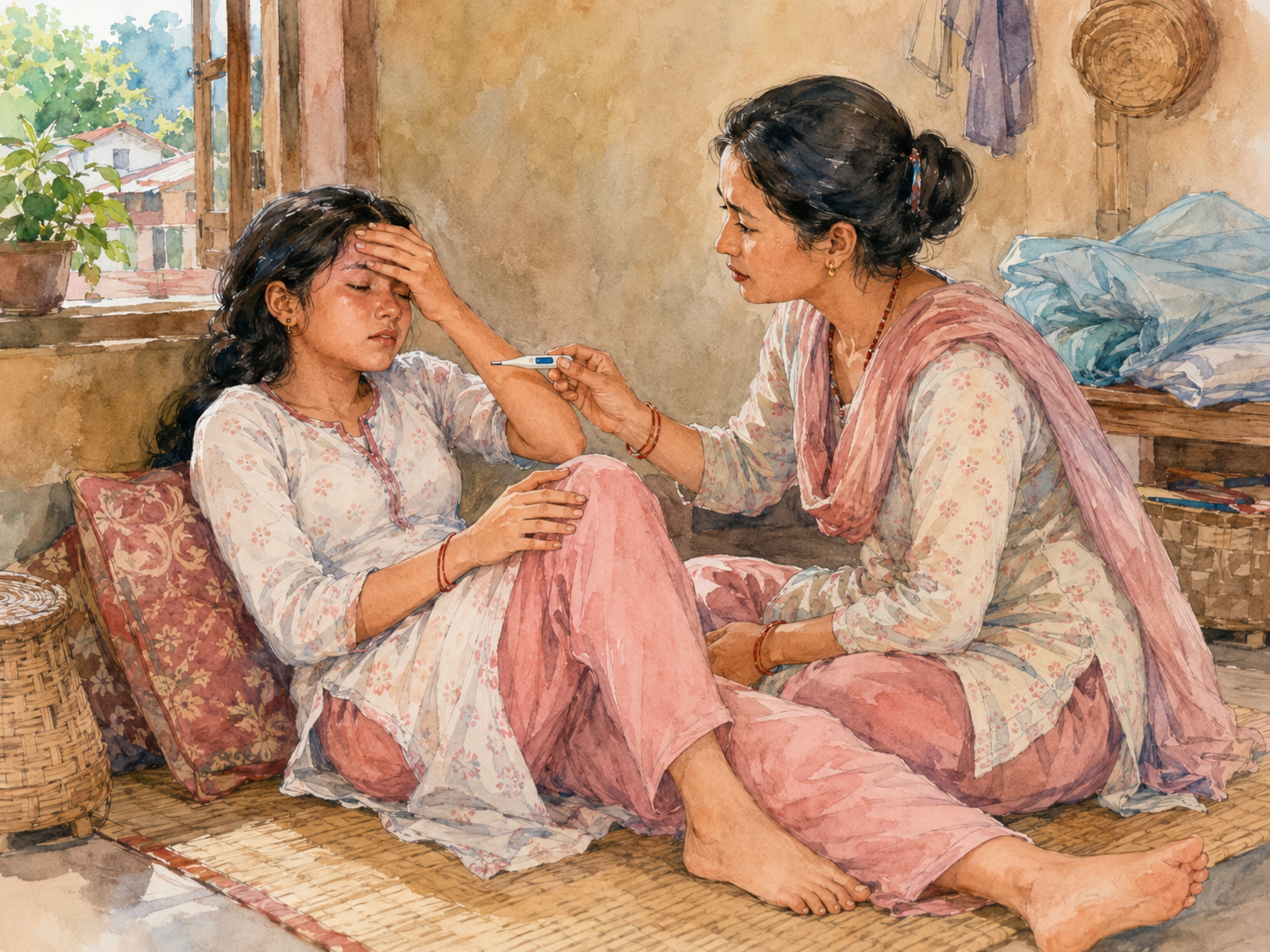
Dengue does not always cause symptoms.
If symptoms do appear, they usually begin 4 to 10 days after the bite of an infected mosquito.
Some symptoms of dengue can feel similar to flu. These include:
a high temperature
a severe headache
pain behind the eyes
muscle and joint pain
feeling sick or vomiting
swollen glands
a blotchy rash of flat or slightly raised spots that can spread across large areas of the body
Red flags
Seek emergency medical care immediately if you or someone you are caring for develops any of the following:
Severe stomach pain or tenderness in the abdomen
Vomiting that does not stop, or vomiting blood
Bleeding from the gums, nose, or other parts of the body
Blood in the urine, stools, or vomit (stools may appear black or tarry)
Skin that feels cold or clammy, or looks pale or blotchy
Feeling very weak, faint, or confused
Rapid or difficult breathing
A sudden drop in fever followed by a sharp worsening in how you feel - this can be a sign that dengue is becoming severe
These can be signs that dengue is turning into a more dangerous form, sometimes called severe dengue. This can develop quickly, particularly around the time the fever starts to ease, usually between days three and seven of illness.
Do not wait to see if things improve on their own. Go to the nearest hospital or emergency department straight away.
People at higher risk of severe dengue - including young children, older adults, pregnant women, people with long-term health conditions, and those who have had dengue before - should be especially alert to these warning signs.
Self-care
Dengue spreads through mosquito bites, so protecting yourself from bites is the most important step you can take.
If you belong to a group that is more likely to become seriously ill from dengue, think carefully before travelling to areas where the disease is widespread. People at higher risk include:
young children and older adults
pregnant women
people with a weakened immune system
people living with conditions such as asthma, diabetes, high blood pressure, or any condition that affects blood clotting
anyone who has had dengue before
Protecting yourself from mosquito bites
When you are in an area where dengue is present, try to avoid mosquito bites as much as possible.
Wear long-sleeved shirts and full-length trousers to keep your skin covered, especially in the early morning and early evening when mosquitoes are most active
Apply insect repellent to exposed skin - products containing DEET offer strong protection
Keep windows and doors closed when you can, or fit screens to stop mosquitoes from entering
Sleep under an insecticide-treated mosquito net, even during daytime naps
Treatment
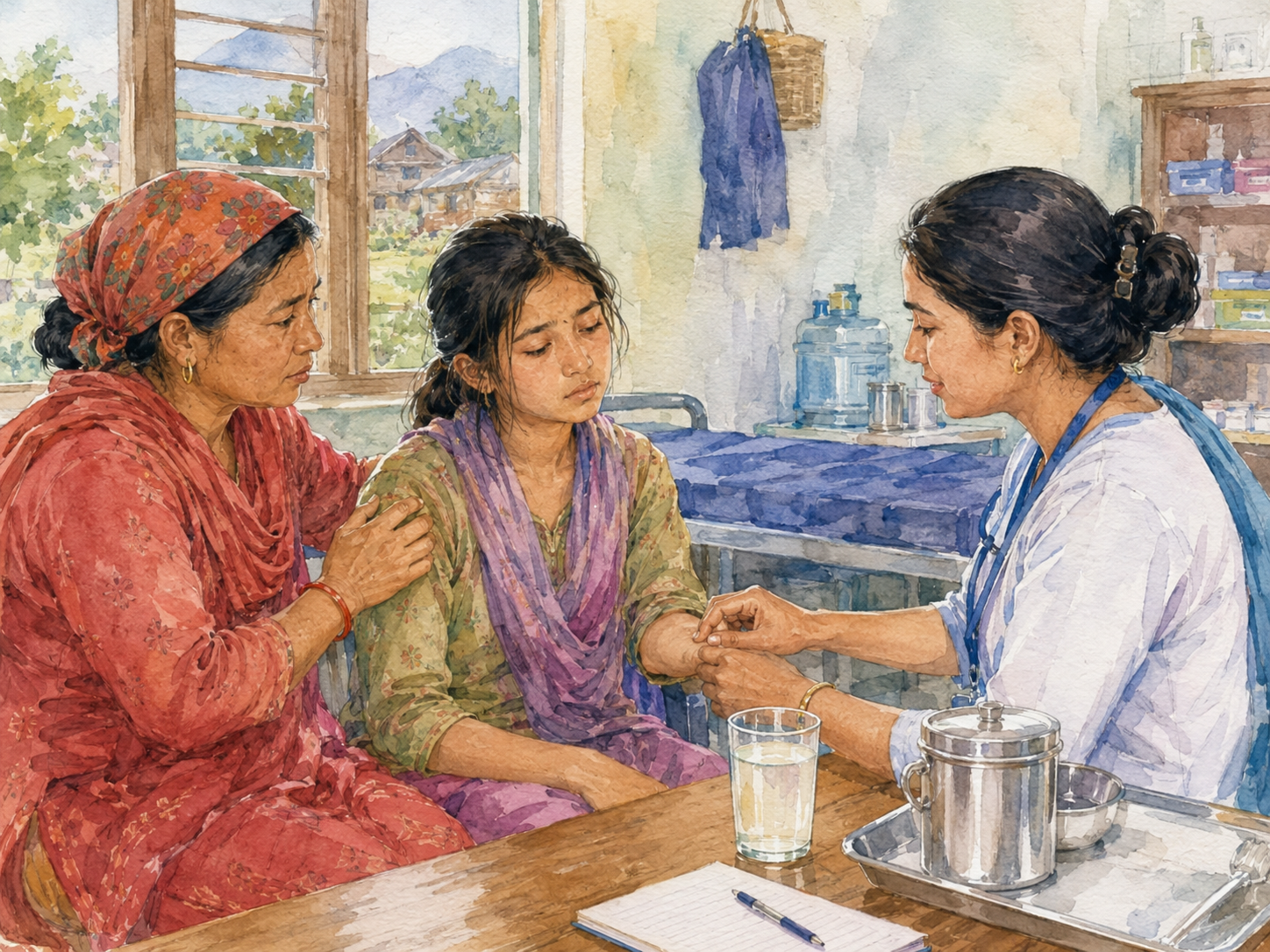
Most people who get dengue start to feel better within a few days. There is no specific medicine that treats dengue itself, but you can manage your symptoms at home by:
getting plenty of rest
drinking enough fluids to stay well hydrated
taking paracetamol to reduce fever and relieve pain
Do not take ibuprofen, aspirin, or similar anti-inflammatory painkillers. These medicines can increase the risk of bleeding, which is especially dangerous in dengue.
If your dengue becomes severe, you will need to be admitted to hospital and monitored there until you have fully recovered.
Questions to ask your doctor
Talking with your doctor or health worker about dengue can feel overwhelming. Having a few key questions ready can help you get the most from your visit. You may want to ask:
Are my symptoms pointing to dengue, or is there another condition that could explain how I am feeling?
Will I need a blood test to find out for certain whether I have dengue?
What changes in my condition would mean the dengue is becoming more serious?
Which warning signs should I be looking out for at home, and at what point should I return to the clinic or go straight to hospital?
Am I well enough to rest and recover at home, or is it safer for me to be admitted to hospital?
Which medicines can I take safely to manage my pain and bring down my fever, and which ones should I stay away from?
How much water and fluids do I need to be drinking throughout the day?
How many days should I expect to feel unwell before I start to improve?
Are there foods, physical activities, or medicines I should avoid while I am getting better?
If I am going to be travelling in the future, would the dengue vaccine be worth considering for me?
Because I have already had dengue once, does that put me at greater risk if I become infected again?
Could anyone else in my home be at risk of dengue, and what steps should they take to protect themselves?
Nepal pathway
In Nepal, start with your nearest health post, PHC, clinic, or hospital if symptoms are worrying, severe, worsening, or not improving. Take previous prescriptions, test reports, allergy information, and current medicines with you. Seek urgent care immediately if there are red flag symptoms.
Disclaimer
This is general health information only and does not replace medical advice, diagnosis, treatment, or emergency care.
Help improve this guide
Spotted an error or want to contact us about this guide? Send a message to the HamroSwasthya team.