
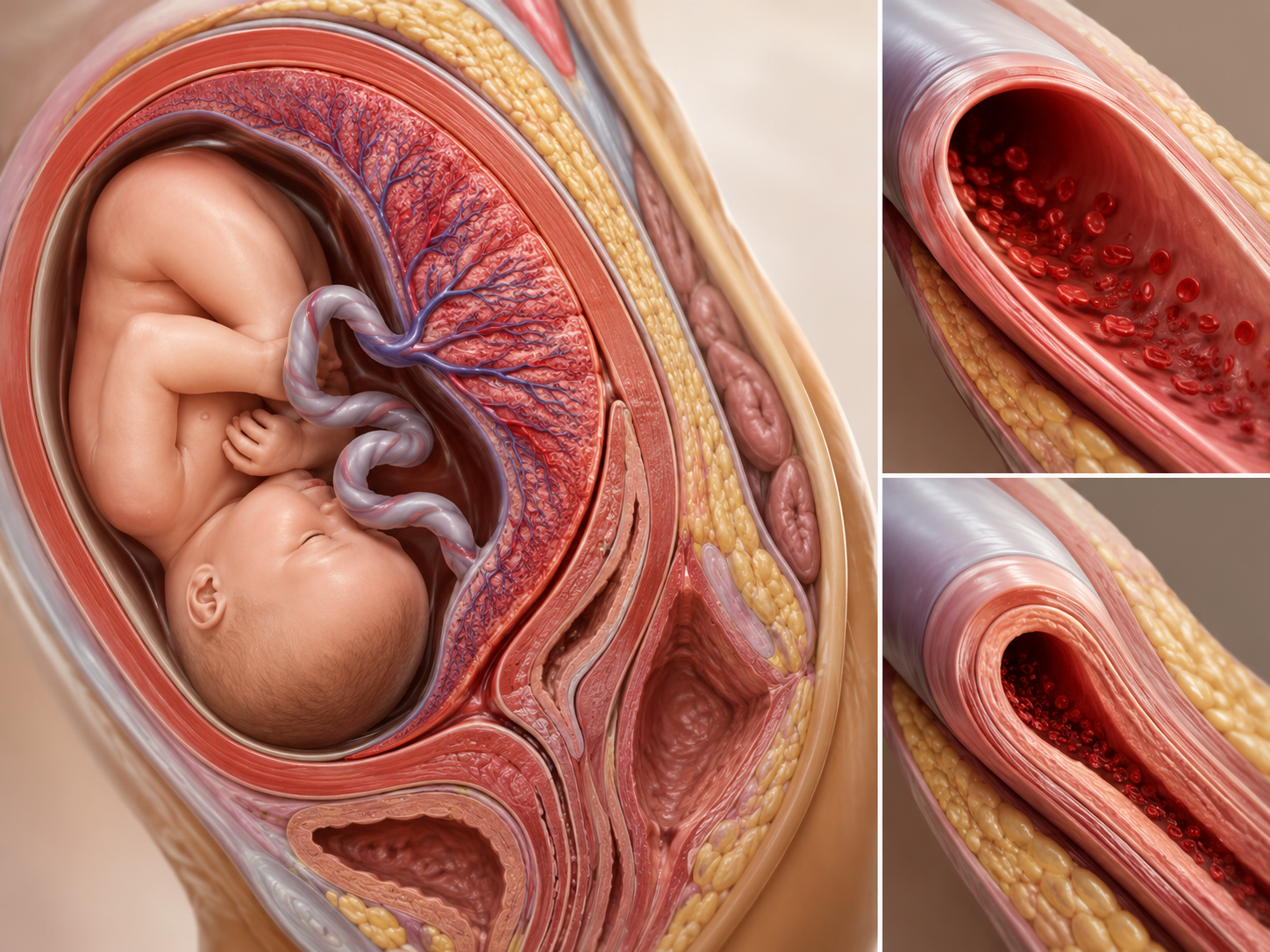
Pre-eclampsia
Pre-eclampsia is a condition that can develop during pregnancy, usually after 20 weeks, or sometimes in the days and weeks after birth. It happens when a pregnant woman's blood pressure rises to an unsafe level and protein appears in her urine.
In many cases, there are no obvious symptoms at first, which is why regular antenatal check-ups are so important. If left undetected or untreated, pre-eclampsia can become serious and put both the mother and baby at risk.
With careful monitoring and timely medical care, most women with pre-eclampsia have a healthy pregnancy outcome. The only way to resolve the condition fully is through delivery of the baby.
Symptoms
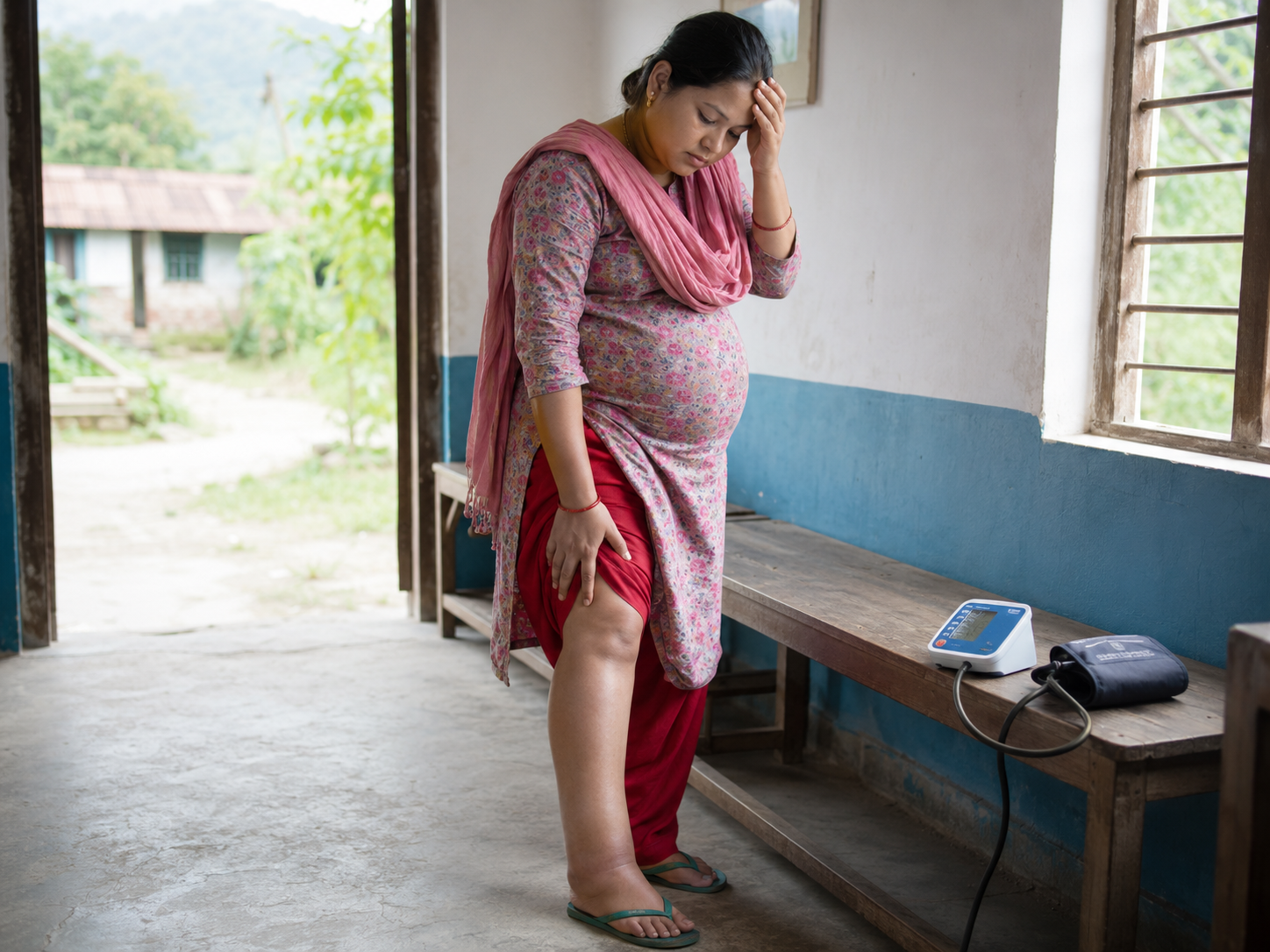
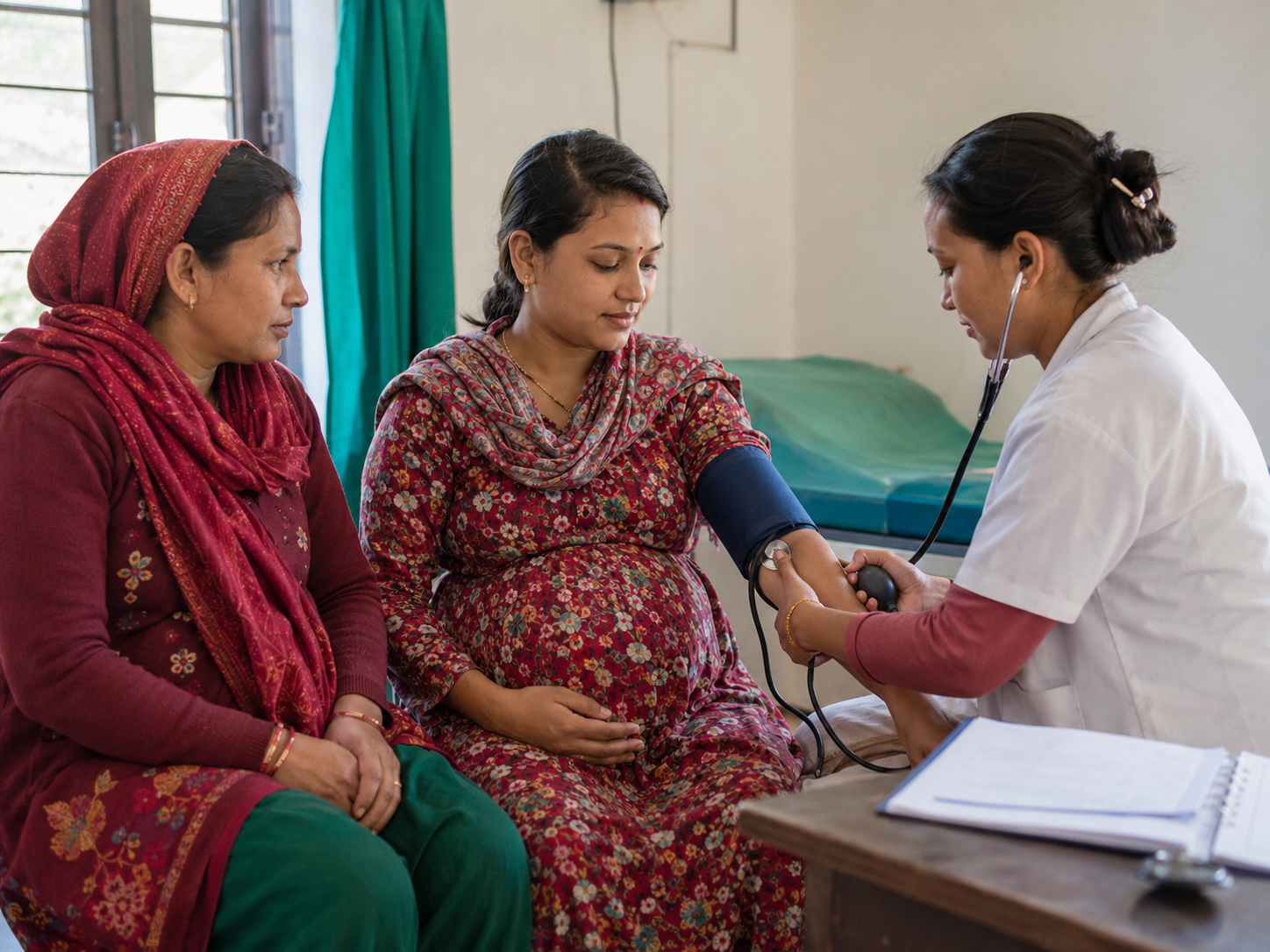
High blood pressure and protein in the urine are the two earliest warning signs of pre-eclampsia. Because these changes usually cause no noticeable feelings, your healthcare provider will check your blood pressure and test your urine at each routine antenatal visit.
Other symptoms to watch for include:
a severe headache that does not improve with ordinary pain relief
changes in vision, such as blurring or seeing flashing lights
pain in the upper abdomen, beneath the ribs
sudden puffiness of the face, hands, or feet
a general feeling of being very unwell
persistent heartburn that does not settle with antacid medicines
vomiting
Any one of these symptoms can be a sign of a serious problem and must be assessed by a health professional straight away.
Pre-eclampsia most commonly develops from 20 weeks of pregnancy onward, although it can occur at any stage of pregnancy. In some cases, it first appears in the days or weeks following the birth of the baby.
Red flags
Seek urgent medical help straight away if you are pregnant or have given birth within the last few weeks and you notice any symptoms of pre-eclampsia.
If you are still pregnant, contact your maternity unit or nearest hospital as soon as possible. If you have recently delivered or are unable to reach maternity services, call your local emergency helpline or go directly to the nearest emergency department without delay.
Self-care
Going to all your prenatal check-ups is one of the most important things you can do during pregnancy. These visits allow your health worker to assess whether you may be at higher risk of developing pre-eclampsia.
If a doctor or health worker decides you are at increased risk, they may recommend:
aspirin - to be taken daily from the 12th week of pregnancy until your baby is born
calcium supplements - if your daily diet does not provide enough calcium
Never take aspirin or calcium supplements on your own without being told to do so by a doctor or health worker first.
Keeping a healthy weight through balanced eating and regular physical activity can also help lower your chances of developing pre-eclampsia.
Treatment
Regular blood pressure measurements and urine tests are used to check for pre-eclampsia.
If your midwife or doctor suspects pre-eclampsia, you will normally be sent to hospital for closer assessment. There, you may have blood tests and ultrasound scans carried out to monitor how well your baby is growing.
Questions to ask your doctor
Am I considered at higher risk for pre-eclampsia, and what factors contribute to that risk?
How frequently should my blood pressure and urine protein be checked throughout this pregnancy?
At what blood pressure level should I seek emergency care right away?
Is it recommended that I take low-dose aspirin or calcium supplements as a preventive measure, and when should I begin?
Are there any adjustments to my eating habits or daily activities that may help lower my risk?
Which warning signs mean I should go to the hospital immediately rather than waiting to contact my doctor?
Is it possible to develop pre-eclampsia after delivery, and what symptoms should I watch for during the postnatal period?
If pre-eclampsia is confirmed, what will my care and follow-up involve, and will I need to be admitted to hospital?
Can pre-eclampsia affect my baby's growth or overall health during pregnancy?
How might pre-eclampsia influence the timing or method of my delivery?
If I have pre-eclampsia in this pregnancy, does that increase my chances of developing it in a future pregnancy?
Are there any ongoing health checks I should have in the months and years after this pregnancy ends?
Nepal pathway
In Nepal, start with your nearest health post, PHC, clinic, or hospital if symptoms are worrying, severe, worsening, or not improving. Take previous prescriptions, test reports, allergy information, and current medicines with you. Seek urgent care immediately if there are red flag symptoms.
Disclaimer
This is general health information only and does not replace medical advice, diagnosis, treatment, or emergency care.
Help improve this guide
Spotted an error or want to contact us about this guide? Send a message to the HamroSwasthya team.