
Tuberculosis (TB)
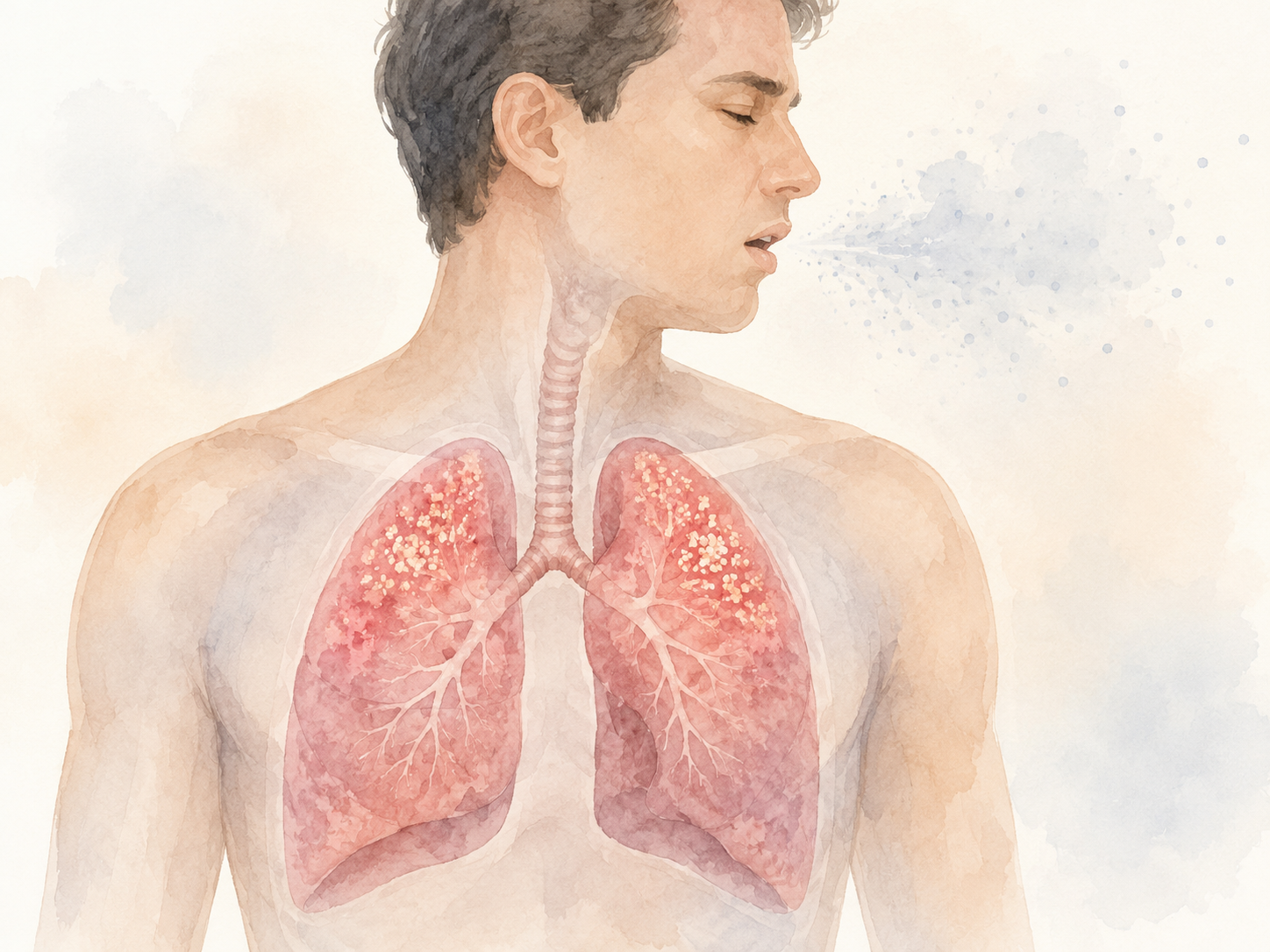
Tuberculosis, commonly called TB, is a bacterial infection that most often affects the lungs. It can also affect other parts of the body. TB spreads through the air when a person with active TB in their lungs coughs, sneezes, or speaks. Most people who are exposed do not become sick right away - the bacteria can stay inactive in the body for a long time before causing illness. When TB does become active, it can be serious and even life-threatening if left untreated. The good news is that TB can be treated and cured using a course of antibiotics. It is important to take the full course of treatment as advised by a doctor. A vaccine is also available that helps protect certain people who are at higher risk of getting TB.
Symptoms

TB symptoms usually develop slowly over time.
Common symptoms include:
a cough lasting more than 3 weeks - you may cough up mucus (phlegm) or mucus mixed with blood
tiredness or exhaustion
high fever or night sweats
loss of appetite
weight loss
a general feeling of being unwell
In children, TB may also slow down weight gain or normal growth.
When TB spreads to other parts of the body - such as the lymph nodes, bones, or brain - additional symptoms can appear, including:
swollen glands
body aches and pains
swollen joints or ankles
pain in the stomach or pelvic area
constipation
dark or cloudy urine
headache
vomiting
confusion
stiff neck
a rash on the legs, face, or elsewhere on the body
Sometimes TB is present in the body but causes no symptoms at all. This is called latent TB.
When TB is present and causes symptoms, it is called active TB.
Red flags
If you are coughing up blood or blood-stained phlegm, seek an urgent appointment with a doctor or health worker as soon as possible. Do not wait.
If you notice any of the following warning signs, this is a medical emergency. Go to the nearest hospital emergency department right away, or ask someone to take you there. Do not drive yourself.
The emergency warning signs are: a stiff neck with a severe headache, pain when looking at bright lights, a seizure or fit, sudden confusion or a change in behaviour, or weakness or loss of movement in any part of the body.
These signs may mean that tuberculosis has spread to the brain, causing a serious condition called meningitis.
When you go, take all your medicines with you.
Self-care
Taking care of yourself during TB treatment
If you have been diagnosed with TB, the most important thing you can do is take your medicines exactly as your doctor or health worker has told you - every day, for the full course of treatment. This is usually at least few months. Do not stop taking your medicines early, even if you start to feel better. Stopping too soon can allow the infection to come back, and it may become harder to treat.
Completing your treatment
Missing doses or stopping treatment early is the main reason TB can return or become resistant to medicines. If you are finding it difficult to remember your doses or to access your medicines, talk to your health worker - support may be available.
Rest and nutrition
Get plenty of rest, especially in the early weeks of treatment.
Try to eat well and regularly. TB can cause loss of appetite and weight loss, so eating nourishing foods when you can will help your body recover.
Drink enough water throughout the day.
Protecting others
During the early weeks of treatment, TB can spread to others through the air. To help protect the people around you:
Cover your mouth and nose with a tissue when you cough or sneeze, and dispose of tissues safely.
Try to spend time in well-ventilated spaces with fresh air rather than small, enclosed rooms.
Avoid close contact with young children, older people, or anyone with a weakened immune system until your doctor confirms you are no longer infectious.
Looking after your wellbeing
TB treatment is long, and it is normal to feel tired, anxious, or low at times. Talk to someone you trust - a family member, friend, or health worker - if you are struggling. Continuing with your daily routine as much as your energy allows can also help.
When to seek help
If you experience side effects from your medicines - such as yellowing of the skin or eyes, stomach pain, or changes in your vision - contact your doctor or health worker promptly. Do not stop your medicines without speaking to them first.
Treatment
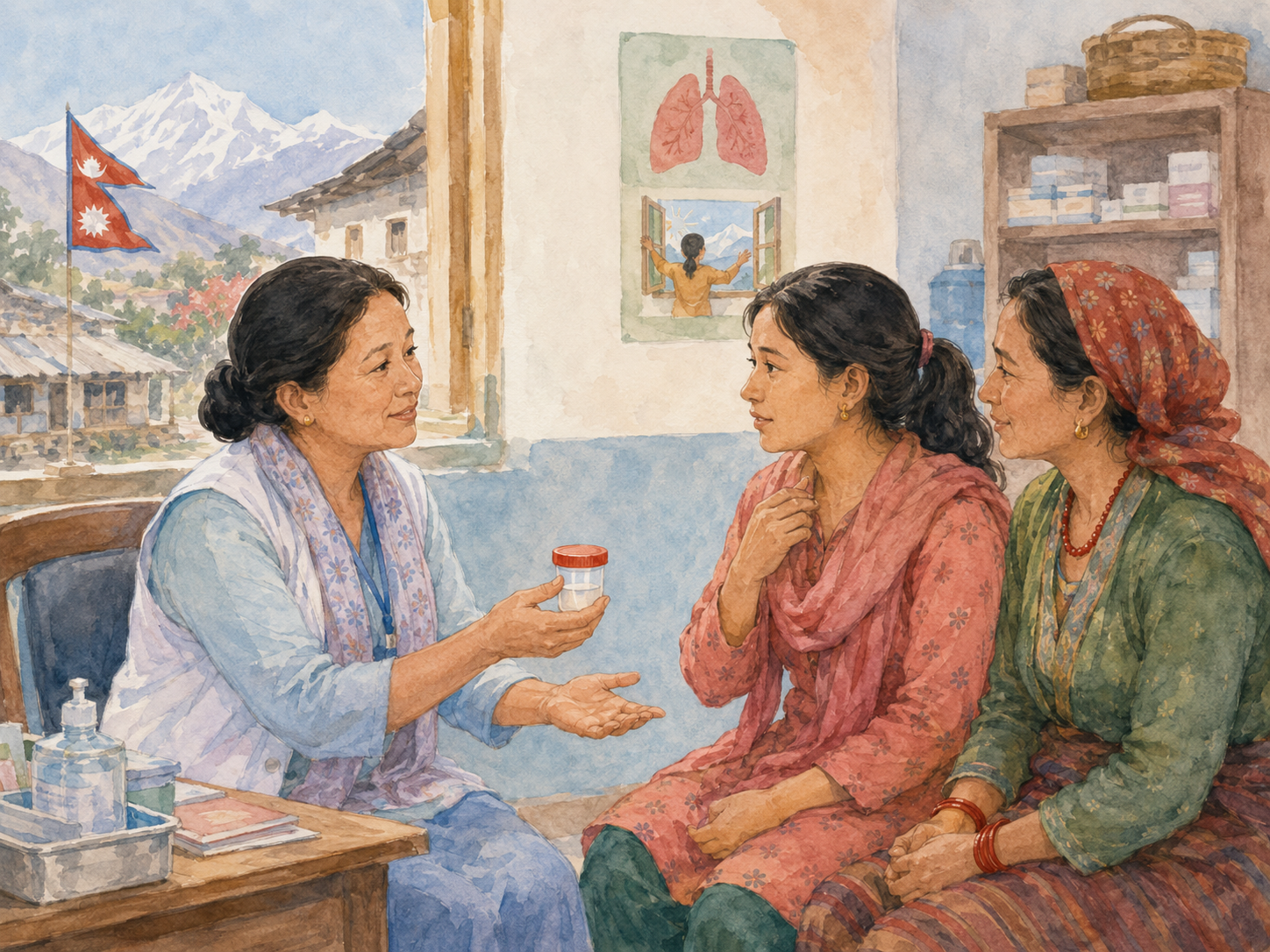
If you are coughing up blood or blood-stained mucus, seek medical help urgently. Visit the nearest hospital, emergency department, TB clinic, health post, or other health facility as soon as possible. If the bleeding is heavy or you also have severe shortness of breath, chest pain, dizziness, or fainting, go to hospital immediately.
Tests for tuberculosis (TB)
If you have symptoms that may suggest TB, a doctor or health worker may arrange one or more tests, such as:
A chest X-ray
A sputum (phlegm) test, which may include microscopy, GeneXpert/Xpert testing, culture, or drug-sensitivity testing
Blood tests, including an HIV test where appropriate
A scan, such as ultrasound or CT, if TB outside the lungs is suspected
A biopsy or sample of fluid from the affected area, for example from lymph nodes, the chest, or around the brain
If you have no symptoms but may have been in close contact with someone with TB, a health worker may recommend tests for TB infection. These may include a Mantoux skin test or an IGRA blood test, depending on what is available and appropriate for you.
Treatment for tuberculosis (TB)
TB is treated with a combination of antibiotics prescribed through a TB treatment centre, hospital, or other health facility. For many people with drug-sensitive TB, treatment lasts around 6 months. Treatment may be longer or use different medicines if the TB is drug-resistant or affects areas such as the brain, spinal cord, or heart lining. Steroid medicines may also be needed in some serious forms of TB.
Latent TB means that TB bacteria are present in the body but are not causing illness or symptoms. Treatment for latent TB can reduce the risk of developing active TB and may last several months.
Take your TB medicines exactly as prescribed and complete the full course, even if you begin to feel better. Missing doses or stopping early can allow TB to return and may make it harder to treat.
Attend all follow-up appointments and tell your health worker promptly if you develop side effects, such as yellow eyes or skin, severe vomiting, a widespread rash, blurred vision, or numbness or tingling in your hands or feet.
Questions to ask your doctor
Questions to ask your doctor during consultation
Preparing a few questions before your appointment can help you get the most from your visit. Here are some you may find useful:
About your diagnosis
Do I have active TB or latent TB?
Which part of my body is affected?
How do you think I caught TB?
Could other members of my household have been exposed?
About your treatment
How many medicines will I need to take, and for how long?
What is the best time of day to take them, and should I take them with food?
What side effects should I watch out for?
What should I do if I miss a dose?
Is there support available to help me stay on track with my treatment?
About protecting others
Am I infectious right now?
How long do I need to be careful around others, especially children or older family members?
Should the people I live with be tested?
About your recovery
Are there any foods or activities I should avoid during treatment?
How will I know if the treatment is working?
How often will I need to come back for check-ups or follow-up tests?
What signs should prompt me to seek help before my next appointment?
Do not hesitate to ask your doctor to explain anything you do not understand. It is important that you feel clear about your treatment before you leave the consultation.
Nepal pathway
In Nepal, start with your nearest health post, PHC, clinic, or hospital if symptoms are worrying, severe, worsening, or not improving. Take previous prescriptions, test reports, allergy information, and current medicines with you. Seek urgent care immediately if there are red flag symptoms.
Disclaimer
This is general health information only and does not replace medical advice, diagnosis, treatment, or emergency care.
Help improve this guide
Spotted an error or want to contact us about this guide? Send a message to the HamroSwasthya team.