
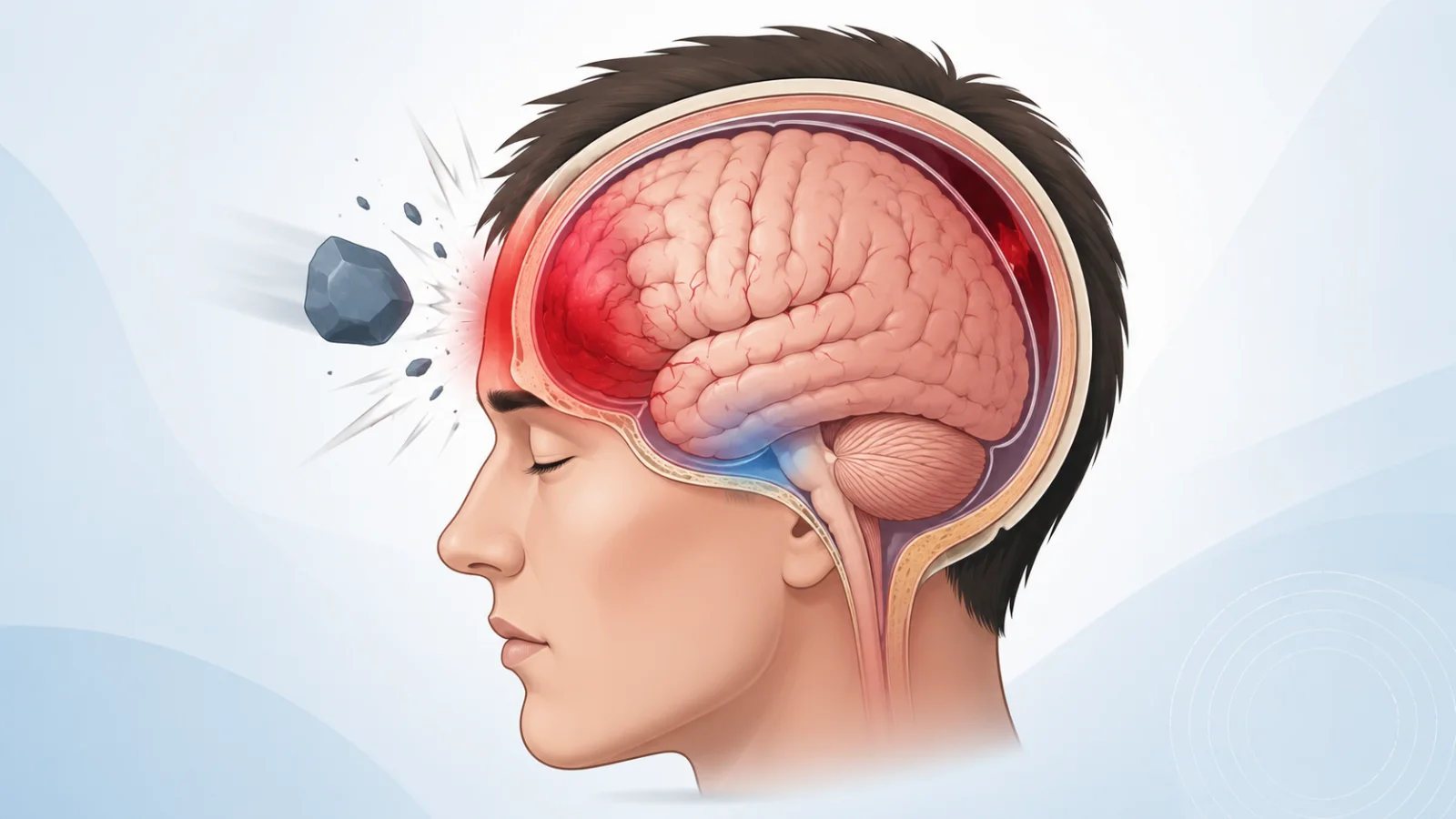
Head injury
A head injury can happen after a fall, road crash, sports accident, assault or a blow to the head. Some injuries affect only the scalp, but others can cause concussion, bleeding inside the skull or damage to the brain. A person does not need to lose consciousness for a serious injury to be present.
Call emergency services or take the person to the nearest emergency department immediately if they are unconscious, difficult to wake, having a seizure, becoming confused, developing weakness, or showing any other warning sign listed below. Symptoms can appear immediately or develop over several hours.
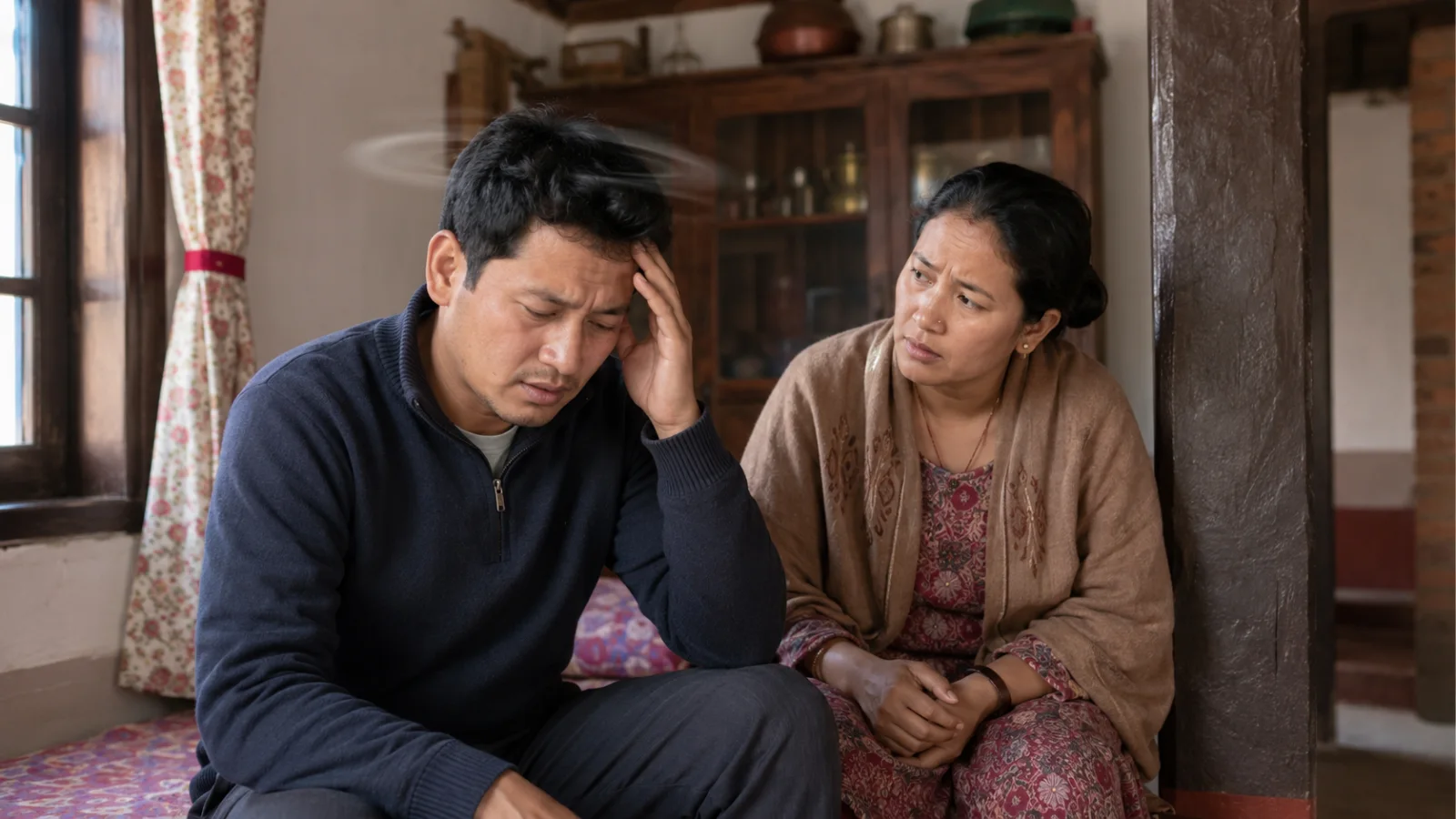
Emergency warning signs
Seek emergency medical help immediately if the person:
Was knocked unconscious and has not fully recovered
Is increasingly sleepy, difficult to wake or unable to keep their eyes open
Has a seizure
Becomes confused, agitated, behaves unusually or cannot remember what happened
Has weakness, numbness, poor coordination or difficulty walking
Has unclear speech, facial drooping or problems understanding others
Develops a severe or worsening headache
Vomits repeatedly
Has unequal pupils, blurred vision, double vision or new hearing problems
Has clear fluid or blood coming from the nose or ears
Has bruising behind the ears or around both eyes without direct injury to the eyes
Has a deep wound, visible skull injury or an object embedded in the head
Has severe neck pain or cannot move the neck normally
Was injured in a high-speed road crash, fell from a significant height or was struck with great force
Takes a blood-thinning medicine, has a bleeding disorder or has previously had brain surgery
Babies and young children also need emergency assessment if they become unusually sleepy, repeatedly vomit, feed poorly, cry continuously, develop a seizure, have a tense or bulging soft spot, or behave differently from normal.
What this page cannot tell you
This page cannot determine whether the injury is only a scalp injury, concussion, skull fracture or bleeding inside the head.
A person may initially appear well despite a significant injury. A clinician may need to assess consciousness, memory, movement, pupils and other neurological signs, and decide whether observation or brain imaging is needed.
Why it matters
Bleeding or swelling inside the skull can place pressure on the brain and may become life-threatening. Early recognition allows timely brain imaging, monitoring, treatment and specialist care.
Concussion can cause headache, dizziness, nausea, tiredness, poor concentration, memory difficulty, irritability and sensitivity to light or noise. These symptoms may occur even when the person was never unconscious.
What you can do yourself
While arranging help:
Keep the person still and reassure them.
Support the head and neck in the position found if a neck injury is possible.
Check whether they are breathing normally.
If unconscious but breathing and there is no concern about spinal injury, place them in the recovery position.
Apply gentle pressure with a clean cloth to minor bleeding, unless the skull appears damaged or an object is embedded.
Use a wrapped cold pack for a minor swelling.
Ensure a responsible adult stays with the person after a mild injury.
Do not:
Do not move the person unnecessarily after a major fall, crash or suspected neck injury.
Do not remove an embedded object.
Do not press directly over a suspected skull fracture.
Do not give food, drink or tablets to someone who is drowsy, confused, vomiting or may need urgent treatment.
Do not allow alcohol, driving, cycling, operating machinery, contact sports or another activity that risks a second head injury.
Do not leave the person alone during the first day after an injury that has been assessed as safe for home observation.

When to see a doctor
Arrange prompt medical assessment after a head injury if:
There was any loss of consciousness or memory loss
The person has a persistent headache, dizziness, nausea or unusual tiredness
They have vomited since the injury
They are aged 65 or older
They take anticoagulants or antiplatelet medicines
They have a bleeding disorder, previous brain surgery, intoxication or significant medical problems
A child younger than 1 year has a large swelling or bruise on the head
Symptoms are not settling, are worsening or are interfering with school, work or normal activity
Return urgently if new warning signs appear after the person has gone home.
What a doctor may check
A healthcare professional may assess:
How the injury occurred and whether consciousness or memory was affected
Alertness using a structured consciousness assessment
Pupils, speech, limb strength, sensation, balance and coordination
The scalp, skull, face and neck
Breathing, oxygen level, pulse and blood pressure
Medicines, alcohol use and bleeding risk
Whether a CT scan, observation, wound treatment or specialist referral is needed
Nepal context
In Nepal, head injuries commonly occur following motorcycle crashes, other road collisions, falls, workplace accidents and assaults. WHO has highlighted the importance of correctly fitted helmets in reducing head-injury risk among motorcycle users.
After a serious injury, take the person to a hospital with emergency assessment and CT imaging where possible. Call 102 where ambulance services are available. Do not transport an unconscious person sitting upright on a motorcycle, and do not delay hospital care for massage, oil application or traditional treatment.
Useful records to keep
Record:
The exact time and cause of the injury
Whether the person lost consciousness and for how long
Any memory loss, vomiting, seizure or unusual behaviour
Headache severity and whether it is worsening
Medicines, especially blood thinners
Alcohol or substance use before the injury
Symptoms that developed during transport or observation
Details of any first aid already given
Important notice
This information is for general health information only. It should not be used as a substitute for a doctor's advice, examination, diagnosis, treatment, or emergency services.
Help improve this guide
Spotted an error or want to contact us about this guide? Send a message to the HamroSwasthya team.