
Zika virus
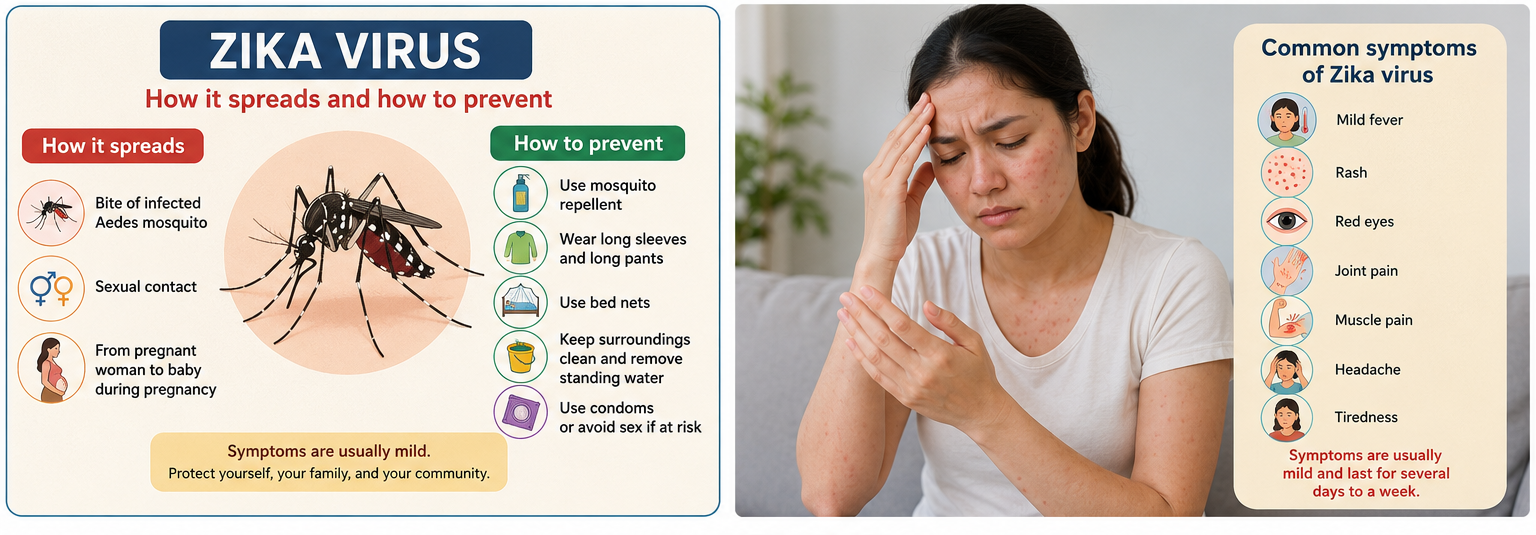
Zika virus is an infection mainly spread through the bite of infected Aedes mosquitoes. These mosquitoes can also spread dengue and chikungunya. Zika can also spread through sex and from a pregnant person to the developing baby.
Many people with Zika have no symptoms or only mild symptoms. However, Zika infection during pregnancy can cause serious problems for the developing baby, including certain brain and eye birth defects.
Symptoms
Symptoms usually begin within about 3 to 14 days after infection and often last for several days to a week. Common symptoms include:
Mild fever
Skin rash
Red eyes without pus
Joint pain, especially in the hands and feet
Muscle pain
Headache
Feeling tired or generally unwell
Zika can look similar to dengue, chikungunya, malaria, or other infections. Recent travel and mosquito exposure are important clues.
Red flags
Seek urgent medical advice or go to the nearest hospital if you have:
Severe headache, confusion, seizure, weakness, or difficulty walking
Severe abdominal pain, repeated vomiting, fainting, or marked dizziness
Bleeding from the nose or gums, vomiting blood, blood in stool, or black stool
Severe dehydration, such as very little urine, extreme thirst, or unusual sleepiness
Shortness of breath, chest pain, or feeling severely unwell
Fever, rash, or possible Zika exposure during pregnancy
These symptoms may suggest dengue, malaria, another serious infection, or a complication that needs urgent assessment.
Self-care
Rest and drink enough fluids.
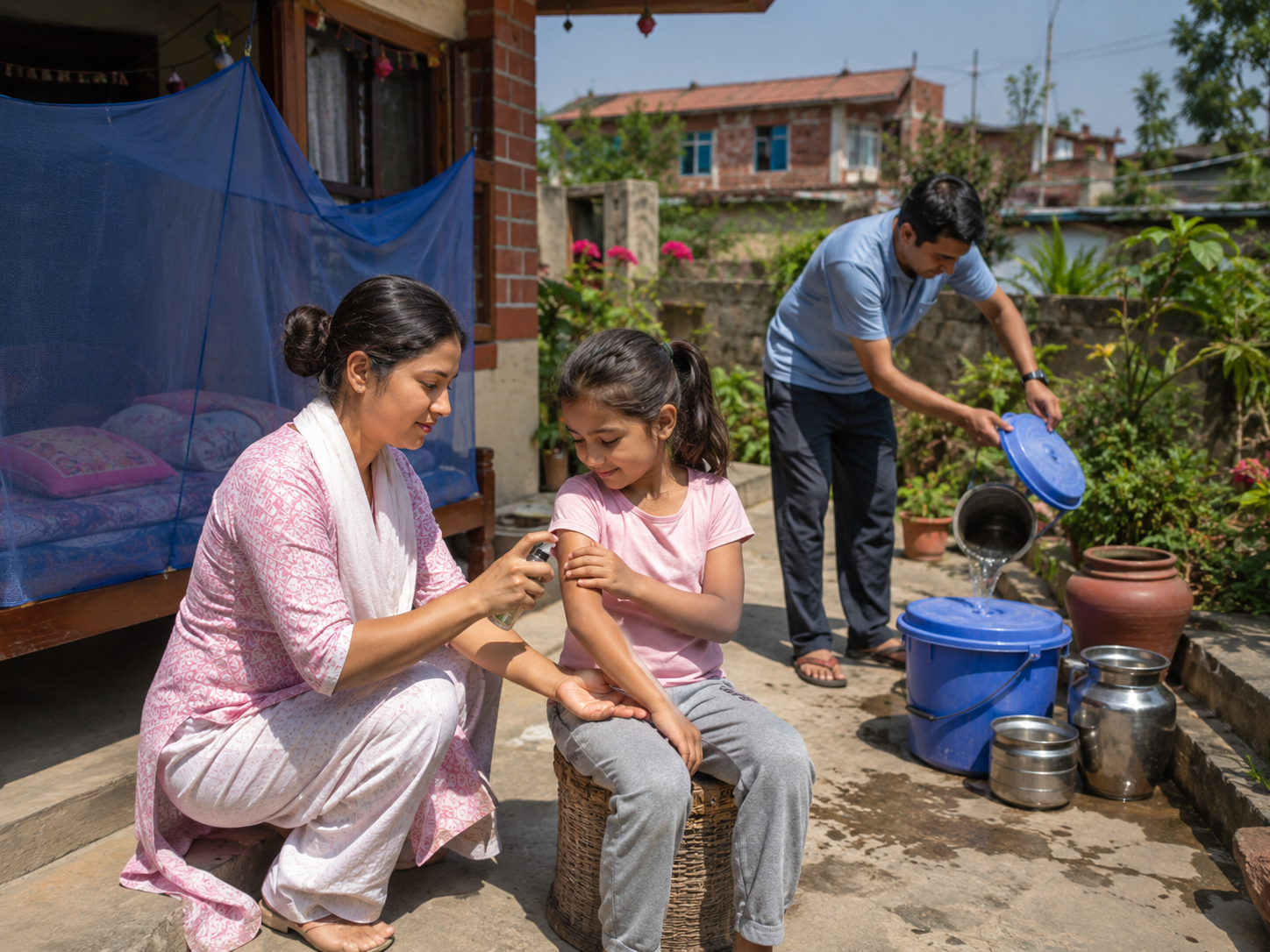
Use mosquito-bite prevention measures so mosquitoes do not spread infection to others.
Wear long sleeves and trousers where practical.
Use an effective insect repellent according to the product instructions.
Sleep in rooms with window screens, air conditioning, or mosquito nets where available.
Remove, empty, cover, or clean containers that collect standing water around the home.
Use condoms or avoid sex after possible exposure, especially if you or your partner is pregnant or planning pregnancy.
Do not take aspirin, ibuprofen, naproxen, or diclofenac until dengue has been ruled out by a clinician, because these medicines can increase bleeding risk in dengue.
Treatment
There is no specific antiviral medicine or vaccine currently available for Zika virus infection. Treatment focuses on rest, fluids, and relief of symptoms.
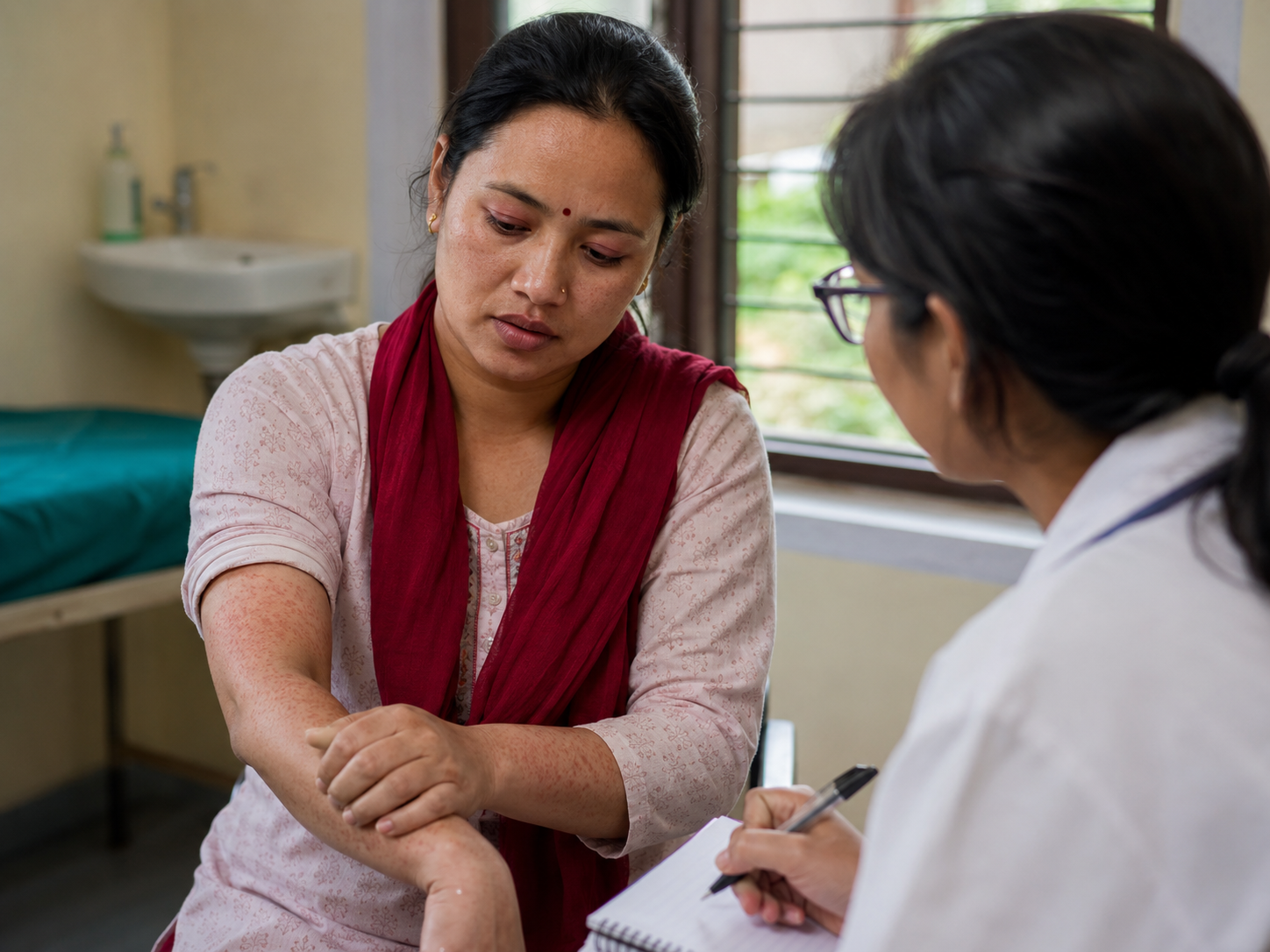
A doctor may arrange tests for Zika, dengue, chikungunya, malaria, or other infections depending on your symptoms, travel history, pregnancy status, and local disease risk.
If you are pregnant, have recently travelled to an area with Zika transmission, or have had sex with someone who may have been exposed, contact a doctor or antenatal clinic promptly for individual advice.
Questions to ask your doctor

- Could my symptoms be caused by Zika, dengue, chikungunya, malaria, or another infection?
- Do I need blood tests or other tests?
- Is it safe for me to use paracetamol for fever or pain?
- Should I avoid aspirin, ibuprofen, naproxen, or diclofenac?
- Could I pass Zika to my sexual partner?
- Should I use condoms or avoid sex for a period of time?
- I am pregnant or planning pregnancy - what should I do now?
- Do I need extra pregnancy monitoring or specialist advice?
- What mosquito-bite prevention measures are most suitable for me?
- Which symptoms mean I should seek urgent medical help?
Nepal pathway
In Nepal, start with your nearest health post, PHC, clinic, or hospital if symptoms are worrying, severe, worsening, or not improving. Take previous prescriptions, test reports, allergy information, and current medicines with you. Seek urgent care immediately if there are red flag symptoms.
Disclaimer
This is general health information only and does not replace medical advice, diagnosis, treatment, or emergency care.
Help improve this guide
Spotted an error or want to contact us about this guide? Send a message to the HamroSwasthya team.