
Stroke
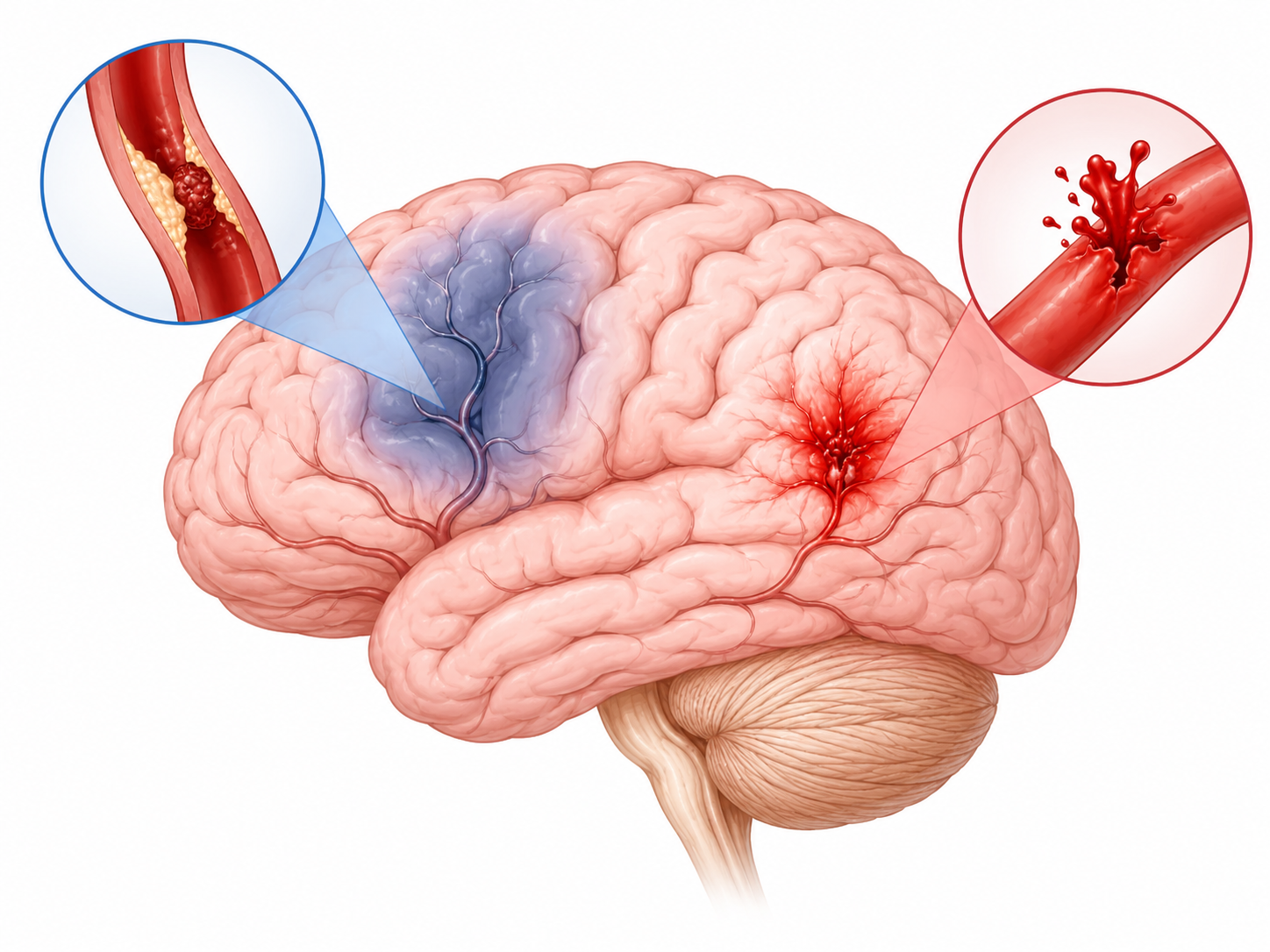
A stroke happens when blood flow to part of the brain is suddenly blocked, or when bleeding occurs in or around the brain. Brain cells can be damaged within minutes.
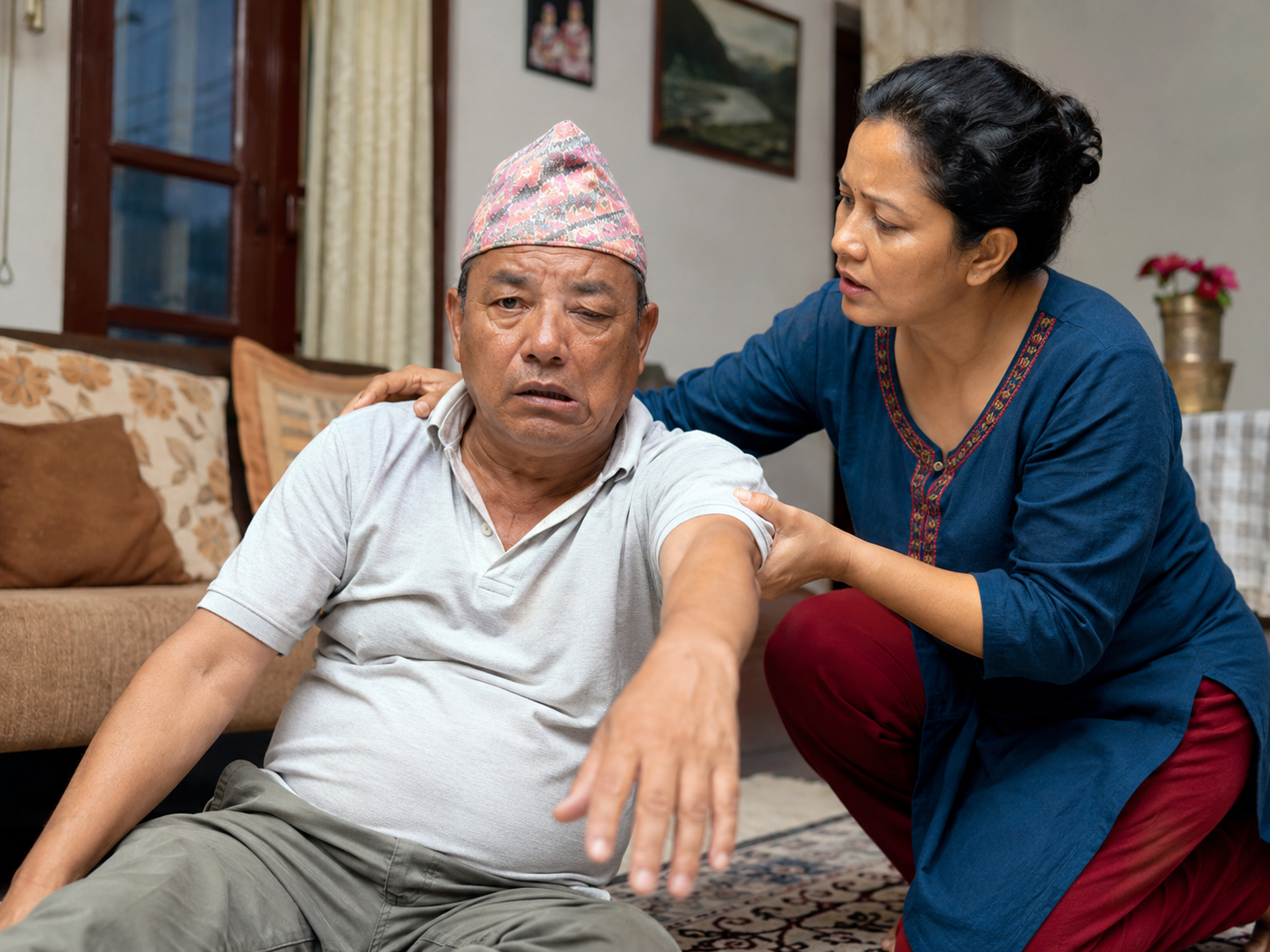
Stroke symptoms usually begin suddenly. A person may have a drooping face, weakness or numbness on one side of the body, difficulty speaking, confusion, loss of balance, or sudden changes in vision.
A stroke is a medical emergency. Fast treatment can reduce brain damage, disability, and the risk of death. Some people recover well, while others may need long-term rehabilitation and support.
Even if symptoms improve or disappear after a short time, it may be a transient ischaemic attack (TIA), sometimes called a "mini-stroke". This still needs urgent medical assessment.
Emergency warning signs
Treat any possible stroke symptom as an emergency. Go to the nearest emergency department immediately or call Ambulance Nepal on 102, where available.
Remember FAST:
Face: Ask the person to smile. Has one side of the face dropped or gone numb?
Arms: Ask them to raise both arms. Is one arm weak, numb, or drifting down?
Speech: Is their speech slurred, confused, unusual, or difficult to understand?
Time: Act immediately. Note the time symptoms started, or when the person was last known to be well.
Other possible sudden stroke symptoms include:
Weakness or numbness of the face, arm, or leg, especially on one side
Sudden confusion, difficulty understanding, or trouble finding words
Sudden loss of vision, blurred vision, or double vision
Sudden severe dizziness, loss of balance, difficulty walking, or an unexplained fall
Sudden severe headache, especially with vomiting, drowsiness, collapse, or neck stiffness
Difficulty swallowing or repeated choking
Seizure, collapse, or loss of consciousness
Do not wait to see if symptoms improve. Do not give food, drink, aspirin, blood-thinning medicine, or any new medicine by mouth. Do not drive the person yourself if emergency transport is available.
What this page cannot tell you
This page gives general information about stroke. It cannot confirm whether symptoms are caused by a stroke, TIA, low blood sugar, migraine, seizure, infection, or another condition.
It cannot tell you whether the stroke is caused by a blocked blood vessel or bleeding in the brain. This needs urgent hospital assessment, brain imaging, and treatment decisions by a qualified medical team.
Do not use this page to delay emergency care, even if symptoms are mild or have improved.
Why it matters
Most strokes are caused by a blood clot blocking blood flow to part of the brain. This is called an ischaemic stroke. Some strokes are caused by bleeding in or around the brain. This is called a haemorrhagic stroke.
Risk factors include:
Smoking or tobacco use
High cholesterol
Irregular heartbeat, especially atrial fibrillation
Previous stroke or TIA
Heart disease
Obesity, low physical activity, or an unhealthy diet
Heavy alcohol use
Family history of stroke
Stroke matters because brain cells can be damaged quickly. Reaching hospital promptly may allow urgent treatment and can improve survival and recovery.
What you can do yourself
For a suspected stroke, do not try to manage the person at home. Arrange immediate transfer to hospital.
While waiting for help:
Keep the person safe and as comfortable as possible.
If they are awake, help them sit or lie in a comfortable position.
If they are unconscious but breathing, place them on their side if safe to do so.
Note when symptoms started, or when they were last known to be well.
Bring regular medicines, allergy details, and previous medical information if these are easily available.
Do not give food, drink, aspirin, blood-thinning medicine, or any new medicine unless instructed by emergency professionals.
After a confirmed stroke, recovery often needs follow-up and rehabilitation. Physiotherapy, speech and language therapy, occupational therapy, and swallowing support may help improve movement, communication, independence, and safety.
Take prescribed medicines exactly as advised. Do not stop blood-pressure medicines, cholesterol medicines, antiplatelet medicines, or blood-thinning medicines without speaking to your doctor.
If swallowing is difficult, coughing happens during meals, or food and drink seem to "go down the wrong way", do not continue eating or drinking until a healthcare professional has assessed swallowing.
When to see a doctor
Possible stroke symptoms always need emergency assessment, not a routine appointment.
After emergency assessment, seek urgent help again if you have:
New or returning face weakness, arm weakness, numbness, speech difficulty, or visual loss
Repeated brief episodes of weakness, confusion, balance problems, or loss of vision
New difficulty swallowing, repeated choking, or unexplained falls
A severe headache that is new or clearly different from usual headaches
A previous stroke or TIA with new or worsening symptoms
Arrange follow-up with a doctor after stroke or TIA if you have concerns about recovery, mobility, speech, mood, memory, medicines, blood pressure, diabetes, or daily activities.
What a doctor may check
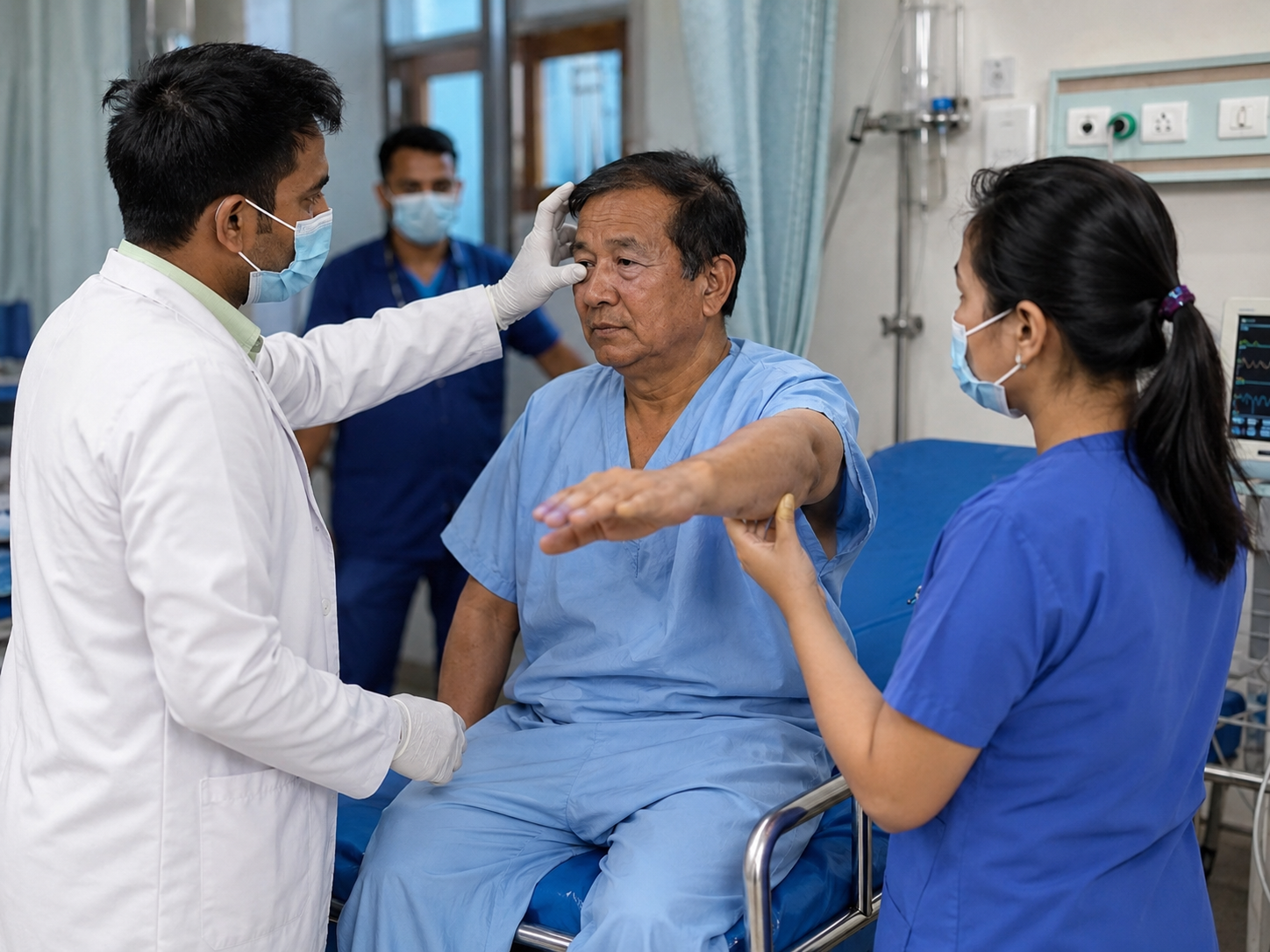
A doctor or emergency team may check:
The time symptoms started or when the person was last known to be well
Face movement, arm and leg strength, speech, vision, balance, and coordination
Blood pressure, pulse, oxygen level, temperature, and blood sugar
Heart rhythm, including an ECG
Swallowing ability before food, drink, or tablets are given
Medical history, medicines, previous stroke or TIA, and stroke risk factors
Urgent tests may include a brain scan, blood tests, ECG, heart scan, and scans of blood vessels in the neck or brain. These tests help identify the type and cause of stroke and guide treatment.
Nepal context
In Nepal, go immediately to the nearest hospital with emergency and brain-imaging facilities for any possible stroke symptoms. Call Ambulance Nepal on 102 where available.
Do not wait for symptoms to become severe. Take regular medicines, prescriptions, previous scan reports, discharge summaries, and allergy information only if they are easy to collect without delaying travel.
After discharge, attend follow-up appointments and rehabilitation sessions. Ask the hospital team where physiotherapy, speech therapy, swallowing assessment, or other rehabilitation support is available locally.
Useful records to keep
Keeping records can support recovery and reduce the risk of another stroke. Keep details of:
Previous stroke or TIA symptoms, dates, and hospital visits
Blood pressure readings
Diabetes and cholesterol test results
Heart rhythm problems, especially atrial fibrillation
Regular medicines, doses, and medication allergies
Smoking, alcohol use, and family history of stroke or heart disease
ECGs, brain-scan reports, discharge summaries, and specialist letters
Physiotherapy, speech therapy, occupational therapy, and rehabilitation plans
Any swallowing advice or dietary recommendations
Important notice
This information is for general health information only. It should not be used as a substitute for a doctor's advice, examination, diagnosis, treatment, or emergency services.
Help improve this guide
Spotted an error or want to contact us about this guide? Send a message to the HamroSwasthya team.