
Polycystic ovary syndrome (PCOS)
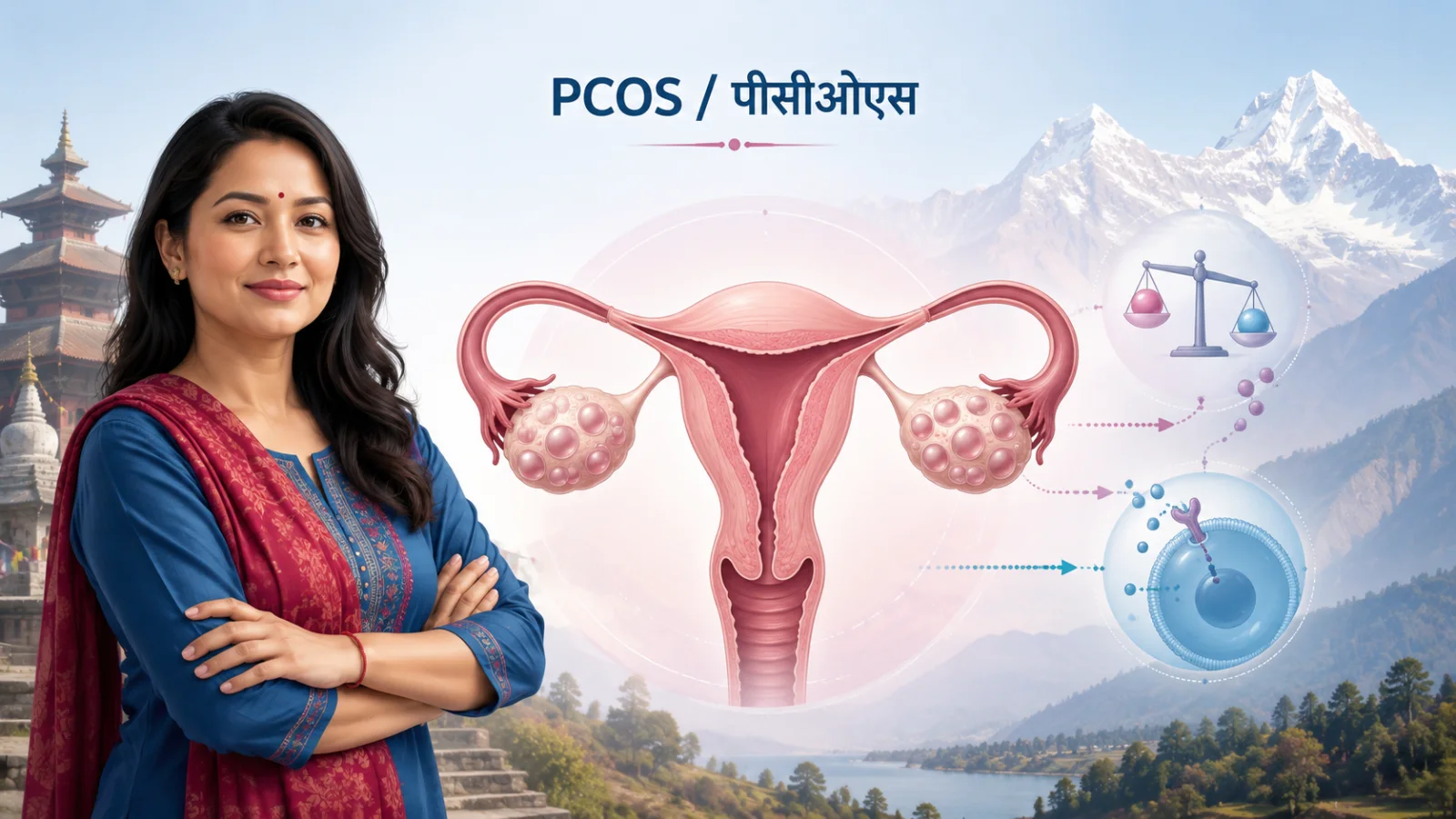
Polycystic ovary syndrome, or PCOS, is a common long-term hormonal and metabolic condition that can affect menstrual periods, ovulation, skin, hair, fertility and emotional wellbeing. It is associated with higher-than-usual androgen activity and, in many people, reduced sensitivity to insulin. PCOS affects an estimated 10-13% of women of reproductive age worldwide, although many remain undiagnosed.
Despite its name, PCOS does not simply mean that someone has ovarian cysts. The "polycystic" appearance refers to multiple small, immature follicles that may be visible on an ultrasound. These are not the same as large ovarian cysts, and an ultrasound is not always required to diagnose PCOS.
Symptoms
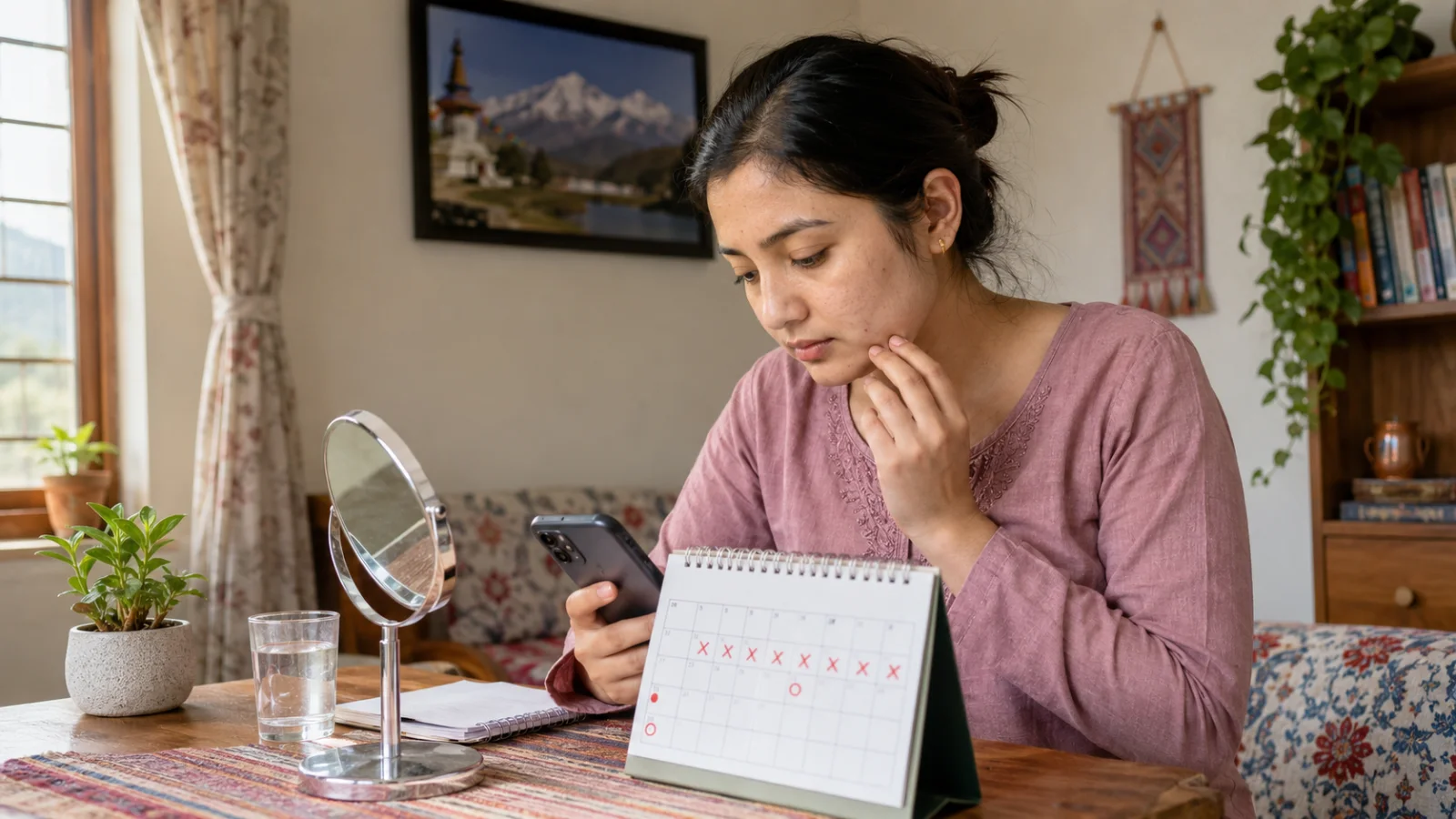
PCOS affects people differently. Some have only one or two symptoms, while others have several.
Possible symptoms include:
Irregular, infrequent or absent menstrual periods
Periods that are unpredictable or sometimes heavy
Difficulty becoming pregnant because ovulation is irregular or absent
Increased facial or body hair, particularly on the chin, upper lip, chest, abdomen or back
Acne or oily skin
Thinning hair or hair loss from the scalp
Weight gain or difficulty managing weight
Darkened, thickened or velvety skin, particularly around the neck, armpits or groin
Small skin tags
Tiredness or reduced energy
Anxiety, low mood, poor self-esteem or distress about appearance and fertility
Symptoms of sleep apnoea, such as loud snoring, choking during sleep or excessive daytime sleepiness
Some people with PCOS have a healthy body weight, regular-looking ovaries on ultrasound or no excess hair growth. PCOS should not be ruled out solely because someone is not overweight or does not have every typical symptom.
Red flags
PCOS itself is not usually an emergency. However, seek urgent medical care if you have:
A positive pregnancy test with severe or one-sided lower abdominal pain, vaginal bleeding, shoulder-tip pain, dizziness or fainting
Sudden severe pelvic or lower abdominal pain, especially with vomiting or collapse
Very heavy vaginal bleeding, such as rapidly soaking pads, passing large clots, fainting or becoming extremely weak
Chest pain, severe breathlessness, coughing blood or one suddenly swollen and painful leg
Severe headache, weakness on one side, difficulty speaking or loss of vision
Thoughts of self-harm or feeling unable to keep yourself safe
Arrange prompt assessment if:
Facial or body hair increases very rapidly
The voice becomes noticeably deeper, muscles enlarge or other marked androgen-related changes develop quickly
Bleeding occurs between periods or after sex
Periods stop unexpectedly and pregnancy has not been excluded
Pelvic pain is persistent or worsening
You develop significant thirst, frequent urination, unexplained weight loss or blurred vision
Rapidly developing androgen-related changes are not typical of ordinary PCOS and may require investigation for another hormonal condition.
Self-care
PCOS cannot always be managed through lifestyle changes alone, and having PCOS is not the person's fault. However, the following measures can support long-term health alongside appropriate medical care:
Eat regular, balanced meals containing vegetables, fruit, pulses, whole grains, protein and healthy fats.
Reduce frequent intake of sugary drinks and highly processed foods.
Remain physically active through activities that are realistic and sustainable for you.
If you are above your healthy weight, even modest gradual weight reduction may improve ovulation, menstrual regularity and metabolic health.
If you are not overweight, do not attempt unnecessary restrictive dieting.
Avoid smoking and keep alcohol intake low.
Maintain a regular sleep routine and seek assessment for loud snoring, choking during sleep or persistent daytime sleepiness.
Keep a record of menstrual periods, bleeding, acne, hair changes and medicines.
Use reliable contraception if pregnancy is not currently planned; irregular periods do not mean pregnancy is impossible.
Seek emotional support if PCOS is affecting confidence, relationships, fertility concerns or mood.
Avoid unregulated "hormone-balancing," weight-loss or fertility supplements. Herbal products marketed for PCOS may interact with medicines, cause side effects or delay appropriate investigation.
Treatment

There is no single test that confirms PCOS. Diagnosis is based on symptoms, examination and selected tests after excluding other causes such as pregnancy, thyroid disease, high prolactin levels and certain adrenal or ovarian disorders.
PCOS is usually diagnosed when at least two of the following are present:
Irregular or absent ovulation, usually shown by irregular or absent periods
Clinical or blood-test evidence of increased androgen activity
Polycystic-appearing ovaries on ultrasound
An ultrasound is not always needed, particularly when irregular ovulation and androgen-related symptoms or blood-test changes are already present.
A healthcare professional may arrange:
Pregnancy testing where relevant
Blood tests for hormones and other possible causes
Blood pressure measurement
Blood glucose or diabetes screening
Cholesterol and other cardiovascular-risk tests
Pelvic ultrasound in selected cases
Assessment of mood, sleep and fertility concerns
Treatment is tailored to the symptoms, health risks and whether pregnancy is currently desired.
Possible treatments include:
Menstrual-cycle treatment: Hormonal contraception or periodic hormone treatment may regulate bleeding and protect the womb lining when periods are very infrequent.
Acne and excess-hair treatment: Hormonal treatment, skin treatments and hair-removal methods may help. Some anti-androgen medicines require reliable contraception because they may harm a developing baby.
Metformin: This may be considered for selected people, particularly where insulin resistance, diabetes risk or metabolic problems are important. It is not suitable or necessary for everyone.
Fertility treatment: Medicines may be used to stimulate ovulation. Further fertility assessment or assisted reproduction may be considered when simpler measures do not lead to pregnancy.
Weight-management support: This may include dietary, activity, behavioural or specialist medical support where appropriate.
Mental-health support: Counselling or treatment may help when PCOS contributes to anxiety, depression, body-image concerns or fertility-related distress.
PCOS is associated with increased risks of insulin resistance, type 2 diabetes and other long-term metabolic problems. People with very infrequent periods may also require treatment to protect the lining of the womb. Regular review should therefore address more than fertility alone.
Questions to ask your doctor
Do my symptoms meet the criteria for PCOS?
Which other conditions need to be excluded?
Do I need an ultrasound, or can the diagnosis be made without one?
How often should I have my blood pressure, blood sugar and cholesterol checked?
Do my infrequent periods require treatment to protect the womb lining?
Which treatment is most suitable for irregular periods, acne or excess hair?
Would metformin be useful for me?
Can I still become pregnant when my periods are irregular?
When should I seek fertility assessment?
Are my medicines safe if I am planning pregnancy?
Could PCOS be contributing to low mood or sleep problems?
Which symptoms would suggest that something other than PCOS is causing my hormonal changes?
Nepal pathway
In Nepal, start with your nearest health post, PHC, clinic, or hospital if symptoms are worrying, severe, worsening, or not improving. Take previous prescriptions, test reports, allergy information, and current medicines with you. Seek urgent care immediately if there are red flag symptoms.
Disclaimer
This is general health information only and does not replace medical advice, diagnosis, treatment, or emergency care.
Further information
Polycystic ovary syndrome (PCOS) has been officially renamed polyendocrine metabolic ovarian syndrome (PMOS).
The new name shifts focus away from misleading ovarian cysts to better reflect a whole-body hormonal and metabolic disorder.
Help improve this guide
Spotted an error or want to contact us about this guide? Send a message to the HamroSwasthya team.