

Hyperthyroidism (Overactive thyroid )
Hyperthyroidism, also called an overactive thyroid, happens when the thyroid gland produces more thyroid hormone than the body needs. The thyroid is a small gland at the front of the neck that helps regulate heart rate, body temperature, energy use and many other functions.
Common causes include Graves' disease, overactive thyroid nodules and certain medicines. Symptoms may develop gradually or appear more quickly. Hyperthyroidism can usually be treated, but untreated disease may affect the heart, bones, muscles, eyes and pregnancy.
Symptoms
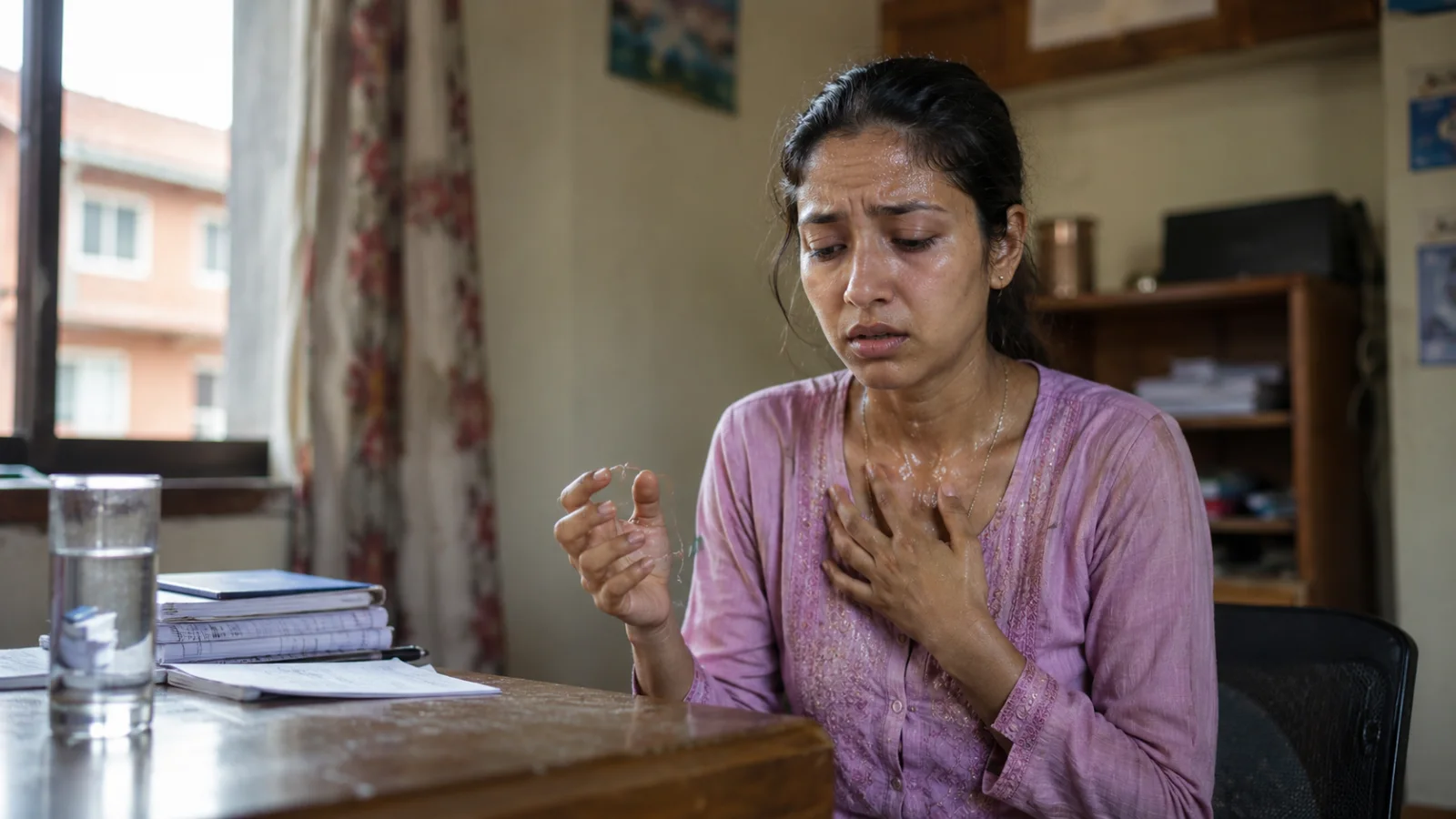
Possible symptoms include:
Losing weight without trying, sometimes despite eating more
Feeling unusually hot and sweating excessively
A fast, pounding or irregular heartbeat
Shaking hands or fine trembling
Nervousness, anxiety, irritability or mood changes
Difficulty sleeping
Persistent tiredness with muscle weakness
Frequent bowel movements or diarrhoea
Increased thirst or passing urine more often
Itchy, warm or moist skin
Thinning hair or increased hair loss
Reduced or irregular periods and difficulty becoming pregnant
Swelling at the front of the neck, called a goitre
Graves' disease may also cause dry, gritty, red or prominent eyes, sensitivity to light, double vision or changes in vision. Not everyone experiences all these symptoms.
Red flags
Seek urgent medical help if you develop:
A very fast or irregular heartbeat with chest pain, breathlessness, fainting or severe weakness
High fever, marked agitation, confusion, repeated vomiting, severe diarrhoea or loss of consciousness
Severe breathing difficulty or rapidly increasing swelling in the neck
Sudden eye pain, worsening double vision, reduced colour vision or loss of vision
Severe weakness, collapse or inability to manage normal activities
Severe symptoms during pregnancy
A rare complication called thyroid storm can cause fever, extreme agitation, rapid heartbeat, vomiting, diarrhoea, confusion and collapse. It is a medical emergency.
Anyone taking carbimazole or propylthiouracil who develops fever, sore throat, mouth ulcers or unusual infection symptoms should stop the medicine and obtain urgent medical advice and a blood test, because these medicines can rarely reduce infection-fighting white blood cells.
Self-care
Take prescribed thyroid medicine consistently and attend blood-test appointments.
Do not stop or change treatment without medical advice.
Avoid iodine supplements, seaweed products or "thyroid support" remedies unless advised by a clinician.
Tell your doctor about all medicines and supplements, particularly amiodarone or products containing iodine.
Reduce caffeine if it worsens palpitations, tremor or anxiety.
Avoid smoking, especially if you have Graves' eye disease, as smoking can worsen eye problems.
Drink enough fluids and eat regular balanced meals.
Avoid strenuous exercise until severe palpitations or uncontrolled symptoms have been assessed.
Discuss pregnancy plans promptly because treatment may need to be changed before or during pregnancy.
Treatment
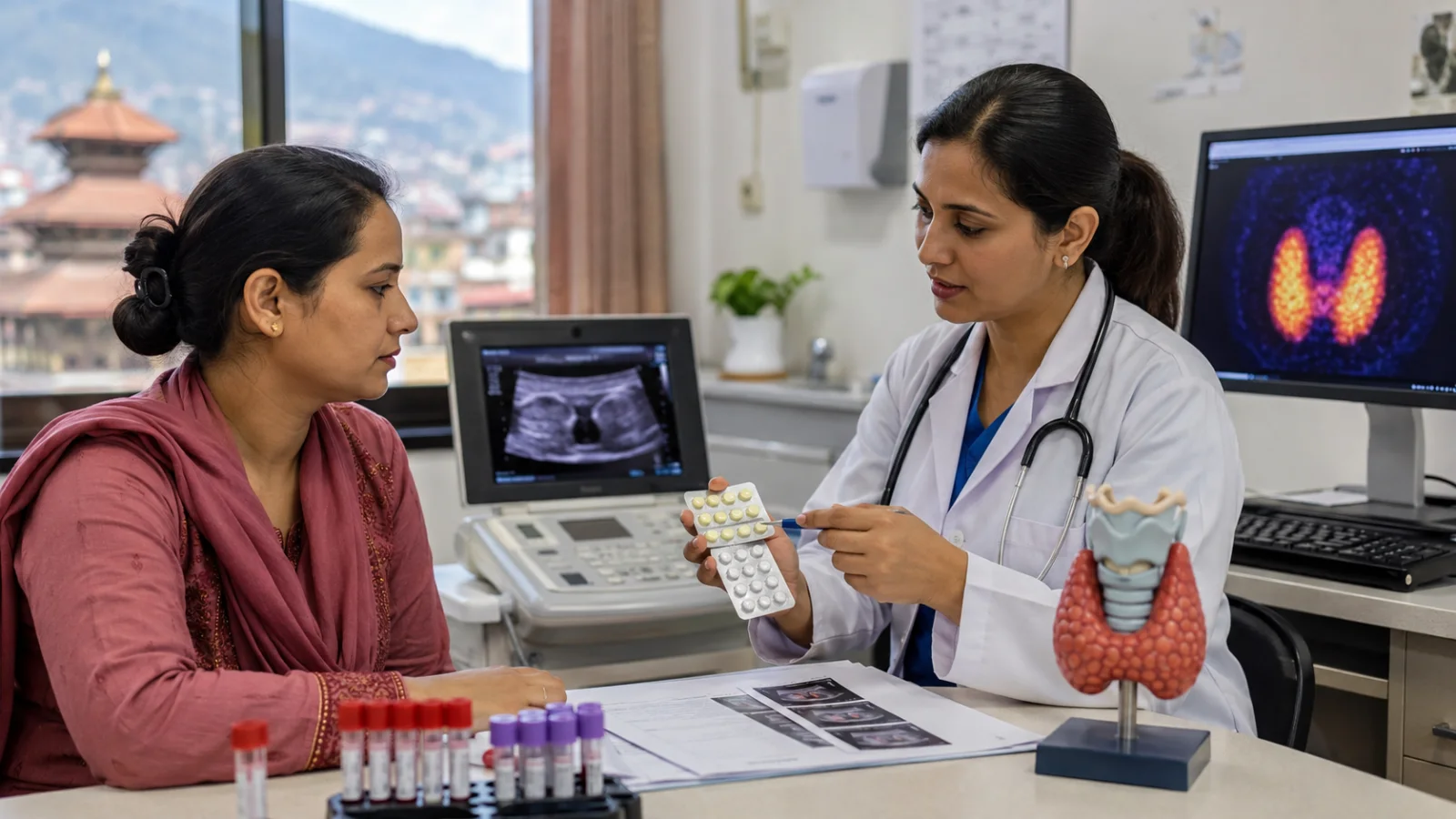
Diagnosis usually involves thyroid-function blood tests measuring TSH and thyroid hormones. Further tests may include thyroid antibodies, a scan or ultrasound to identify the cause.
Treatment depends on the cause, age, symptoms, pregnancy plans and other health conditions. Options include:
Antithyroid medicines, such as carbimazole or propylthiouracil, which reduce thyroid-hormone production
Beta blockers, which may temporarily reduce palpitations, tremor and anxiety
Radioactive iodine, which reduces the activity of thyroid tissue and is unsuitable during pregnancy
Surgery, which removes part or all of the thyroid in selected cases
Treatment can sometimes lead to an underactive thyroid, requiring long-term thyroid-hormone replacement. Regular blood tests are needed to monitor response and adjust treatment.
Questions to ask your doctor
What is causing my overactive thyroid?
Do I have Graves' disease or thyroid nodules?
Which treatment is most suitable for me?
What side effects should I watch for?
How often will I need thyroid blood tests?
Could my eyes, heart or bones be affected?
Is my current treatment safe during pregnancy?
What should I do if symptoms return after treatment?
Nepal pathway
In Nepal, start with your nearest health post, PHC, clinic, or hospital if symptoms are worrying, severe, worsening, or not improving. Take previous prescriptions, test reports, allergy information, and current medicines with you. Seek urgent care immediately if there are red flag symptoms.
Disclaimer
This is general health information only and does not replace medical advice, diagnosis, treatment, or emergency care.
Help improve this guide
Spotted an error or want to contact us about this guide? Send a message to the HamroSwasthya team.