
Cholera
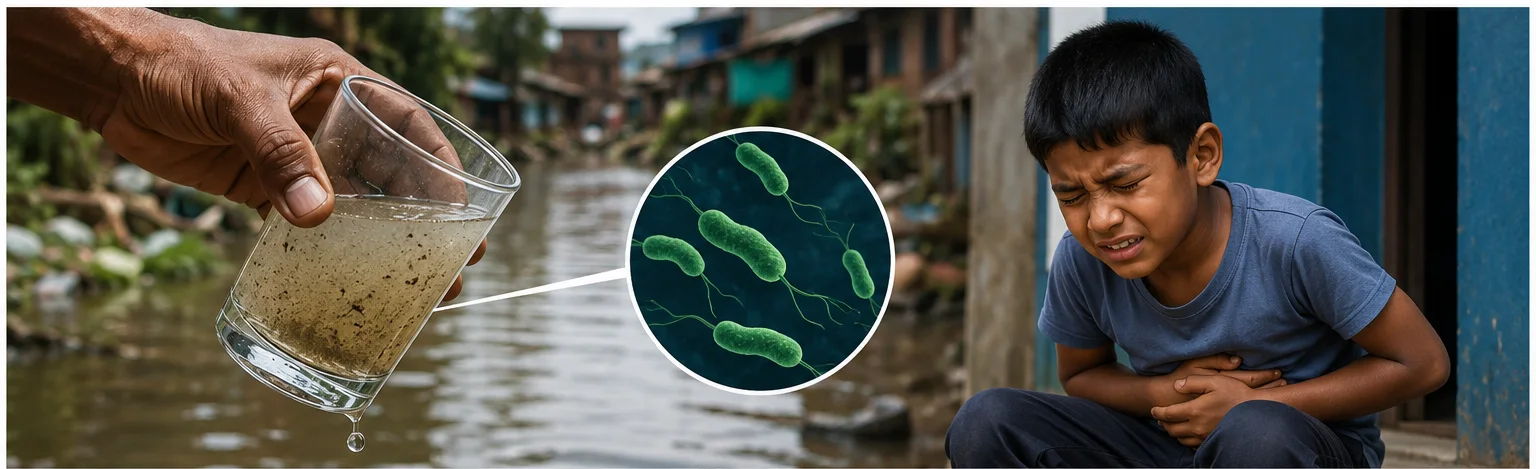
Cholera is an acute intestinal infection caused by the bacterium Vibrio cholerae. It spreads mainly through food or water contaminated with infected faeces. Many infected people have no symptoms or only mild diarrhoea, but some develop sudden, profuse watery diarrhoea and severe dehydration. Without rapid fluid replacement, severe cholera can become life-threatening within hours.
Cholera is preventable and treatable. The most important treatment is replacing the water and salts lost through diarrhoea and vomiting, usually with oral rehydration solution (ORS). Severe cases require immediate hospital treatment and intravenous fluids.
Symptoms
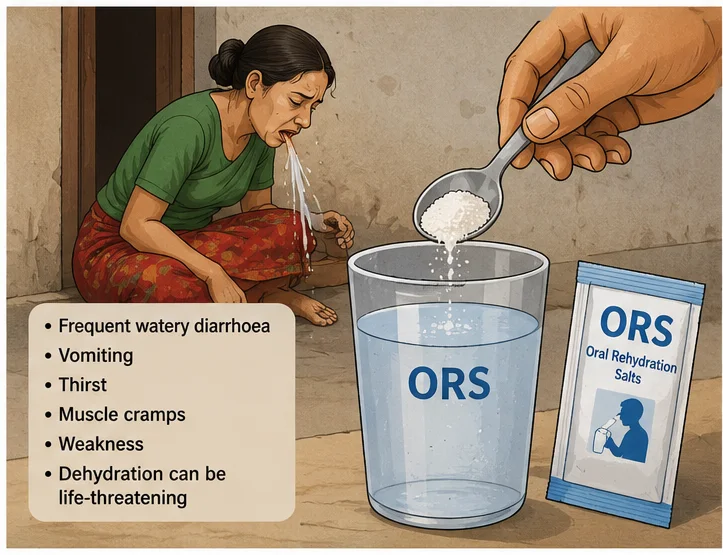
Symptoms can begin from several hours to about five days after contaminated food or water is consumed.
Possible symptoms include:
Sudden, frequent watery diarrhoea
Very large amounts of pale or cloudy stool, sometimes described as "rice-water" stool
Vomiting
Intense thirst
Dry mouth and tongue
Leg or muscle cramps
Weakness, dizziness or restlessness
Passing much less urine than usual
Sunken eyes
Rapid heartbeat
Cold hands and feet
Cholera usually does not cause prominent blood in the stool. Bloody diarrhoea, severe abdominal pain or high fever may suggest another infection and also require medical assessment.
Babies, young children, older people and those who are already unwell can become dehydrated particularly quickly.
Red flags
Go immediately to the nearest hospital or cholera treatment facility if someone with watery diarrhoea has:
Very frequent or continuous watery stool
Repeated vomiting or inability to keep ORS down
Very little or no urine
Severe thirst with dry mouth and sunken eyes
Marked weakness, inability to stand or reduced responsiveness
Severe dizziness, fainting or collapse
Confusion, unusual sleepiness or difficulty waking
Rapid or weak pulse
Fast or difficult breathing
Cold, clammy or mottled hands and feet
A child who is not drinking, is unusually sleepy, has no tears or has markedly fewer wet nappies
Diarrhoea during pregnancy with significant weakness or dehydration
These signs may indicate severe dehydration, shock or dangerous salt imbalance. Do not wait for a stool-test result before seeking treatment. Severe cholera can worsen rapidly, but prompt rehydration is highly effective.
Self-care
Suspected cholera should not be managed with home care alone. Arrange medical assessment promptly, particularly during a known outbreak or when diarrhoea is profuse and watery.
While travelling to a health facility:
Start ORS immediately if it is available.
Give frequent small sips if vomiting occurs.
Continue breastfeeding babies.
Continue age-appropriate food when the person can eat safely.
Use ORS prepared exactly according to the packet instructions, using safe water.
Keep the person near a toilet or safe container while preserving dignity.
Wash hands thoroughly with soap and safe water after caring for the person or handling stool.
Clean contaminated surfaces carefully and dispose of stool safely.
Do not:
Do not give only plain water when diarrhoea is severe; ORS replaces both water and essential salts.
Do not mix ORS with milk, juice, soft drinks or extra sugar.
Do not make the solution stronger or weaker than instructed.
Do not force food or drink into someone who is confused, very drowsy or unable to swallow safely.
Do not use leftover antibiotics or anti-diarrhoeal medicines without medical advice.
Do not delay hospital care while trying herbal remedies or waiting for the diarrhoea to stop.
Treatment
The main treatment is rapid replacement of lost fluid and electrolytes.
Treatment may include:
Oral rehydration solution: Most people can be treated successfully with ORS when it is started early and taken in sufficient amounts.
Intravenous fluids: Severe dehydration, shock or inability to drink safely requires urgent fluids through a vein.
Antibiotics: These may be used for selected patients with severe cholera to shorten the illness and reduce fluid losses. They are not a substitute for rehydration and are not required for every patient.
Zinc for children: A healthcare professional may recommend zinc as part of diarrhoea treatment in children.
Monitoring: Staff may monitor pulse, blood pressure, urine output, alertness and signs of dehydration.
Laboratory testing: A stool sample may be collected to confirm cholera and support outbreak surveillance, but treatment should begin based on the clinical condition rather than waiting for the result.
With timely rehydration, survival is very high.
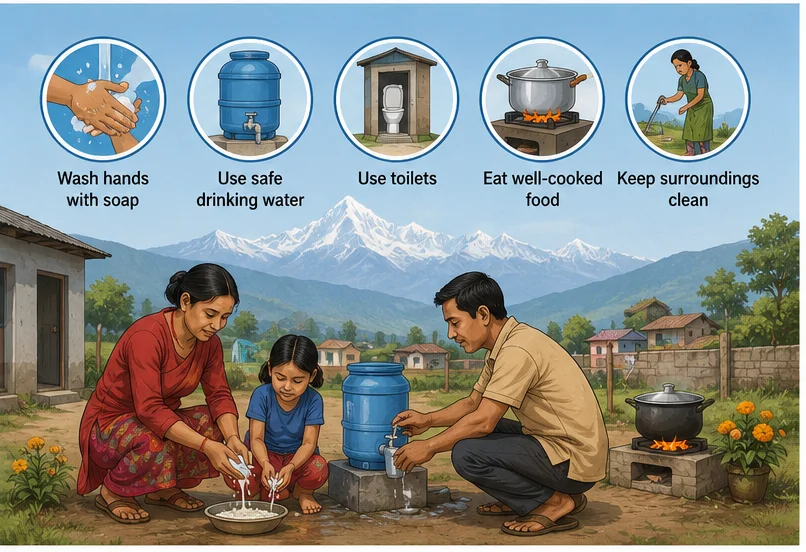
Preventing spread requires safe drinking water, sanitation, handwashing and properly cooked food. Oral cholera vaccines can also be used in selected high-risk communities and outbreak-response campaigns, but vaccination does not replace safe water, sanitation or prompt treatment.
Questions to ask your doctor
Does this look like cholera or another cause of acute watery diarrhoea?
How severe is the dehydration?
Can treatment continue with ORS, or are intravenous fluids needed?
Is an antibiotic appropriate in this case?
Should a stool sample be collected?
How much ORS should be offered while diarrhoea continues?
Can breastfeeding and normal food continue?
Which signs mean the person is getting worse?
How should stool, bedding and contaminated surfaces be cleaned safely?
Is there a cholera outbreak or vaccination campaign in our area?
Do other household members need assessment or preventive advice?
Nepal pathway
In Nepal, start with your nearest health post, PHC, clinic, or hospital if symptoms are worrying, severe, worsening, or not improving. Take previous prescriptions, test reports, allergy information, and current medicines with you. Seek urgent care immediately if there are red flag symptoms.
Disclaimer
This is general health information only and does not replace medical advice, diagnosis, treatment, or emergency care.
Help improve this guide
Spotted an error or want to contact us about this guide? Send a message to the HamroSwasthya team.