
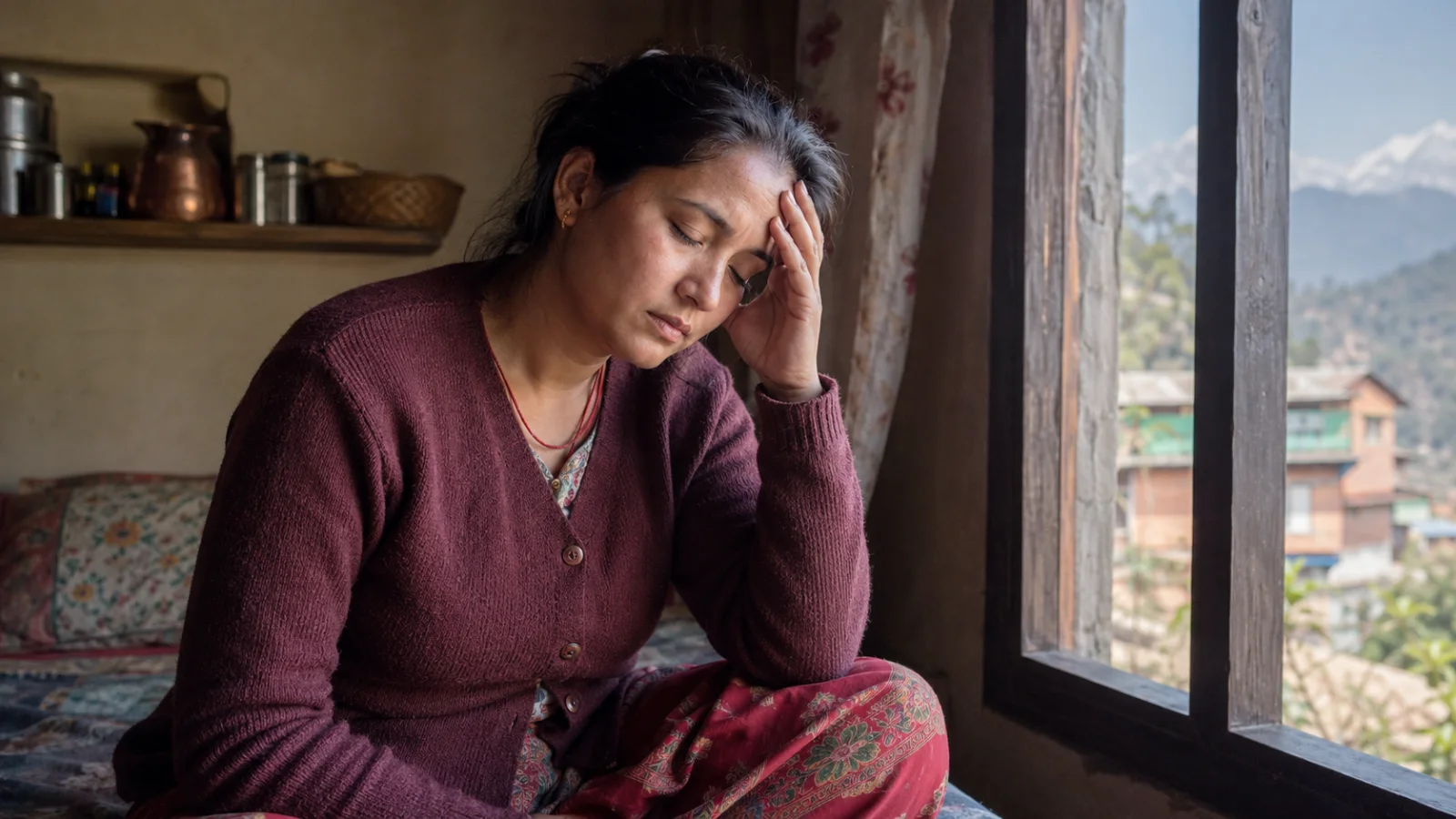
Fatigue and Weakness
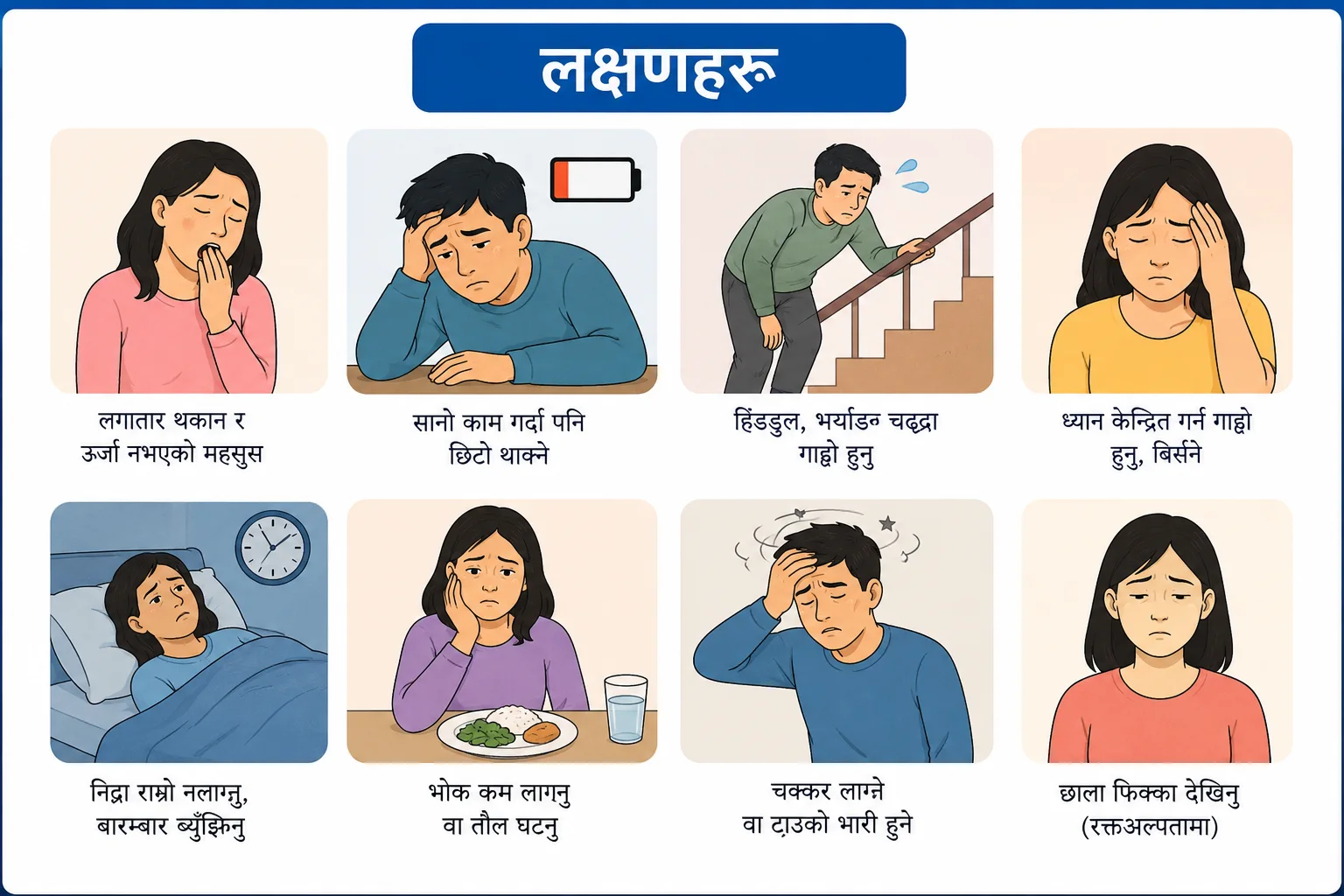
Fatigue is a persistent lack of energy or exhaustion that may not fully improve with rest or sleep. Weakness means reduced muscle strength, such as difficulty standing, climbing stairs, lifting objects or holding the arms up. People often use these words interchangeably, but they can have different causes.
Fatigue and weakness are symptoms rather than diagnoses. They may result from poor sleep, stress or a recent illness, but persistent or unexplained symptoms can also be linked to anaemia, thyroid problems, diabetes, infection, nutritional deficiency, sleep disorders, depression, medicines or other conditions.
Emergency warning signs
Go to the nearest hospital immediately if fatigue or weakness occurs with:
Sudden weakness or numbness affecting one side of the body
Facial drooping, unclear speech, confusion or sudden loss of balance
Severe breathing difficulty, blue or grey lips, or inability to speak normally
Chest pressure or pain, especially with sweating, nausea or pain spreading to the arm, jaw or back
Collapse, seizure, loss of consciousness or difficulty waking
New inability to stand, walk, lift an arm or hold the head upright
Rapidly worsening weakness, difficulty swallowing or weak breathing
Severe bleeding, vomiting blood, black stools or very heavy vaginal bleeding
Severe dehydration, very little urine or repeated vomiting
Thoughts of suicide or immediate risk of self-harm
These symptoms may indicate stroke, heart disease, severe anaemia, serious infection, a neurological emergency or another dangerous condition.
What this page cannot tell you
This page cannot identify why you feel fatigued or weak. The cause cannot usually be determined from the severity of tiredness alone.
A health professional may need to assess your sleep, mood, diet, medicines, physical health and muscle strength, and may arrange tests.
Common causes
Possible causes include:
Insufficient or disrupted sleep
Stress, overwork, grief, anxiety or depression
A recent viral infection or prolonged recovery after illness
Anaemia, including iron, vitamin B12 or folate deficiency
Underactive thyroid
Diabetes or other metabolic problems
Poor nutrition, dehydration or significant weight loss
Pregnancy or the period after childbirth
Sleep apnoea, especially with loud snoring or choking during sleep
Heart, lung, kidney or liver disease
Long-term pain or inflammatory illness
Side effects of medicines, alcohol or other substances
ME/CFS or long COVID in some people
Fatigue that is overwhelming, not refreshed by sleep and worsens significantly after physical or mental activity may require assessment for conditions such as ME/CFS.
What you can do yourself
Keep a regular sleep and waking routine.
Eat regular balanced meals and drink enough fluids.
Reduce alcohol and avoid recreational drugs.
Try gentle, regular activity if it does not markedly worsen symptoms.
Balance activity with planned rest rather than remaining in bed throughout the day.
Avoid repeatedly pushing through severe exhaustion.
Review whether symptoms began after starting or changing a medicine, but do not stop prescribed treatment without advice.
Keep a record of sleep, activity, meals, menstrual bleeding, mood and associated symptoms.
Lifestyle measures may help when fatigue relates to poor sleep, stress, diet or inactivity, but persistent fatigue should not automatically be attributed to lifestyle.
When to see a doctor
Arrange a medical assessment if:
Fatigue or weakness has lasted for several weeks without a clear reason
It is affecting work, study, mobility or normal daily activities
You are becoming progressively weaker
You have weight loss, fever, night sweats or reduced appetite
You look unusually pale or have breathlessness, palpitations or dizziness
You have heavy periods, blood in the stool or another possible source of bleeding
You feel unusually cold, constipated or have unexplained weight gain
You have persistent low mood, loss of interest or anxiety
You snore loudly or make choking or gasping noises during sleep
Symptoms started during pregnancy or after childbirth
Fatigue followed an infection and is not gradually improving
The guideline normally advises seeking assessment when unexplained tiredness lasts for weeks, affects daily life or occurs with symptoms such as weight or mood changes.

What a doctor may check
Questions they may ask
When the symptoms began, whether the main problem is sleepiness, exhaustion or true muscle weakness, sleep quality, diet, menstrual or other bleeding, mood, recent infections, pregnancy, weight change, medicines, alcohol and other health conditions.
Physical examination
Pulse, blood pressure, temperature, oxygen level, hydration, skin colour, thyroid and lymph nodes, heart, lungs, abdomen, nervous system, walking and muscle strength.
Tests that may be arranged
Depending on the history, tests may include:
Full blood count and iron studies
Vitamin B12 and folate
Thyroid, kidney and liver tests
Blood glucose
Tests for inflammation or infection
Urine testing
Pregnancy testing where relevant
Further tests guided by the symptoms and examination
Nepal context
In Nepal, persistent fatigue is often described simply as "कमजोरी", and some people may start vitamins, tonics, iron or intravenous fluids without identifying the cause. कमजोरी may relate to anaemia, poor nutrition, thyroid disease, diabetes, infection, mental health problems, sleep disturbance or another illness.
Do not assume that every case is caused by "vitamin deficiency" or that intravenous fluids are needed. A proper history, examination and targeted tests are safer than repeated supplements or injections without a diagnosis.
Useful records to keep
Record:
When the symptoms began and whether they are worsening
Whether you feel sleepy, exhausted or physically weak
Sleep duration and quality
Activities that worsen the symptoms and recovery time afterwards
Appetite, weight and fluid intake
Menstrual or other bleeding
Fever, pain, breathlessness, palpitations or dizziness
Mood and stress levels
Recent infections, pregnancy or childbirth
Medicines, supplements and herbal products used
Important notice
This information is for general health information only. It should not be used as a substitute for a doctor's advice, examination, diagnosis, treatment, or emergency services.
Help improve this guide
Spotted an error or want to contact us about this guide? Send a message to the HamroSwasthya team.